Introduction
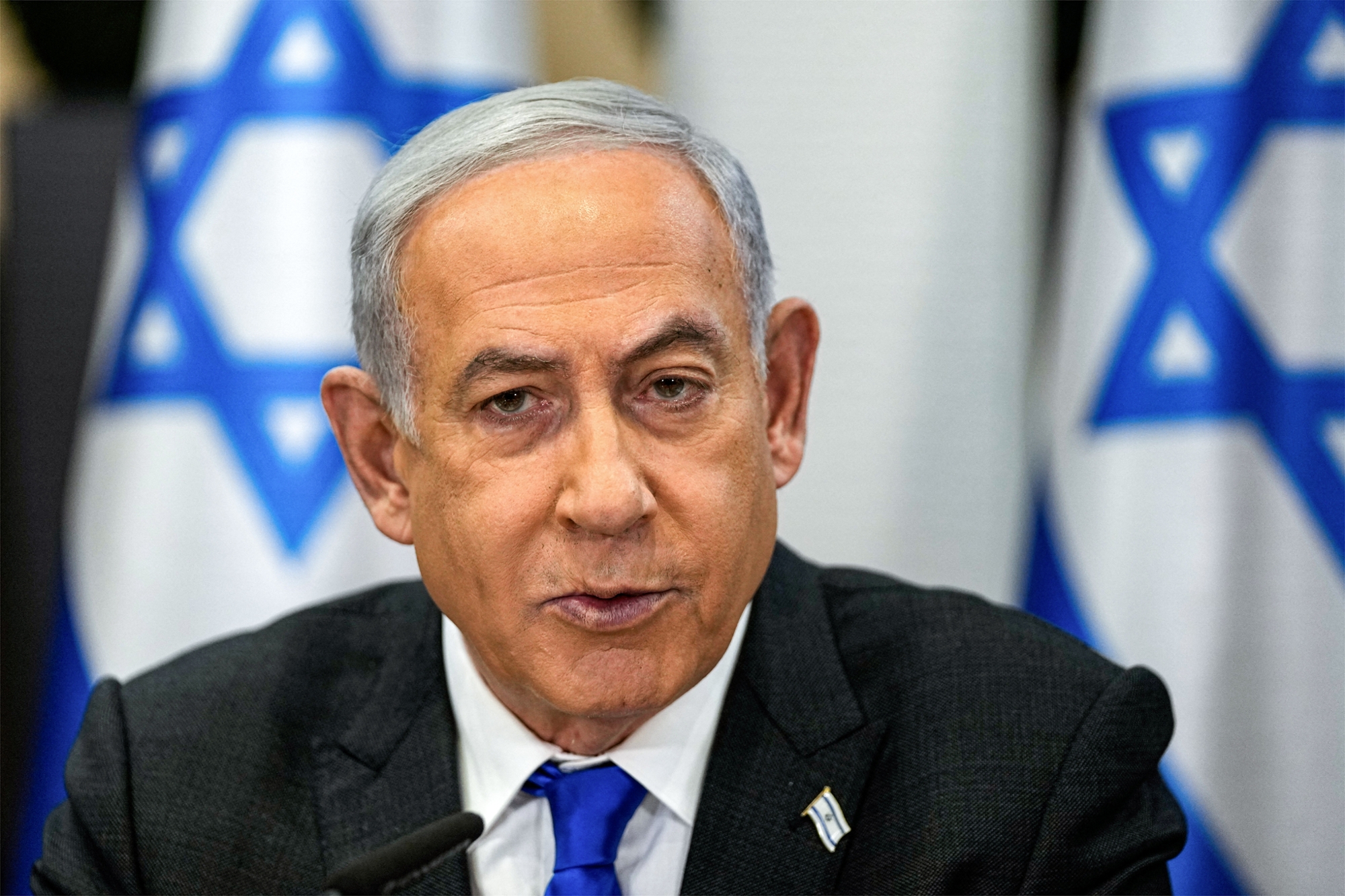
Binyamin Netanyahu, the longest-serving Prime Minister of Israel, remains a central figure in global politics, especially amid ongoing tensions in the Middle East. His recent policies, political maneuvers, and the broader implications for Israeli society have become pertinent topics as elections loom and protests rise. Understanding Netanyahu’s current challenges is crucial not only for Israeli citizens but for international observers as well.
Political Background
Netanyahu, leader of the Likud party, first took office in 1996 and has served multiple terms, showcasing significant political resilience. His tenure has sparked debates over security, diplomacy, and domestic policies, particularly concerning the Israel-Palestine conflict. In recent months, however, Netanyahu’s government faces unprecedented challenges, including escalating violence, political opposition, and public dissent.
Current Events and Challenges
In 2023, Netanyahu’s administration has grappled with increasing unrest. The Israeli-Palestinian conflict has seen a resurgence of violence, with clashes reported in various West Bank cities. The recent military operation in Gaza has raised concerns over civilian casualties and international criticism. Observers note that Netanyahu’s approach appears focused on security but is also mediated by a need to address domestic pressures.
Internally, the political landscape has shifted dramatically. Recent protests against the judicial reforms proposed by his government have attracted thousands of Israelis, spanning various demographic and political lines. Opponents argue that these reforms could undermine the judiciary’s independence, heightening tensions within the nation. As Netanyahu navigates these turbulent waters, his ability to maintain a fragile coalition is tested.
Conclusion
The next months will be crucial for Netanyahu and his government as they confront both external and internal pressures. How effectively he responds to the escalating violence and domestic challenges may dictate the course of Israel’s future. Historical context suggests that Netanyahu’s political savvy could enable him to endure despite significant obstacles. However, he faces a pivotal choice between traditional hardline policies or progressing towards new diplomatic solutions that could appease domestic and international stakeholders.
As the nation approaches the next elections, voters will be keenly evaluating Netanyahu’s decisions against his past record, shaping the future political landscape of Israel.