Introduction
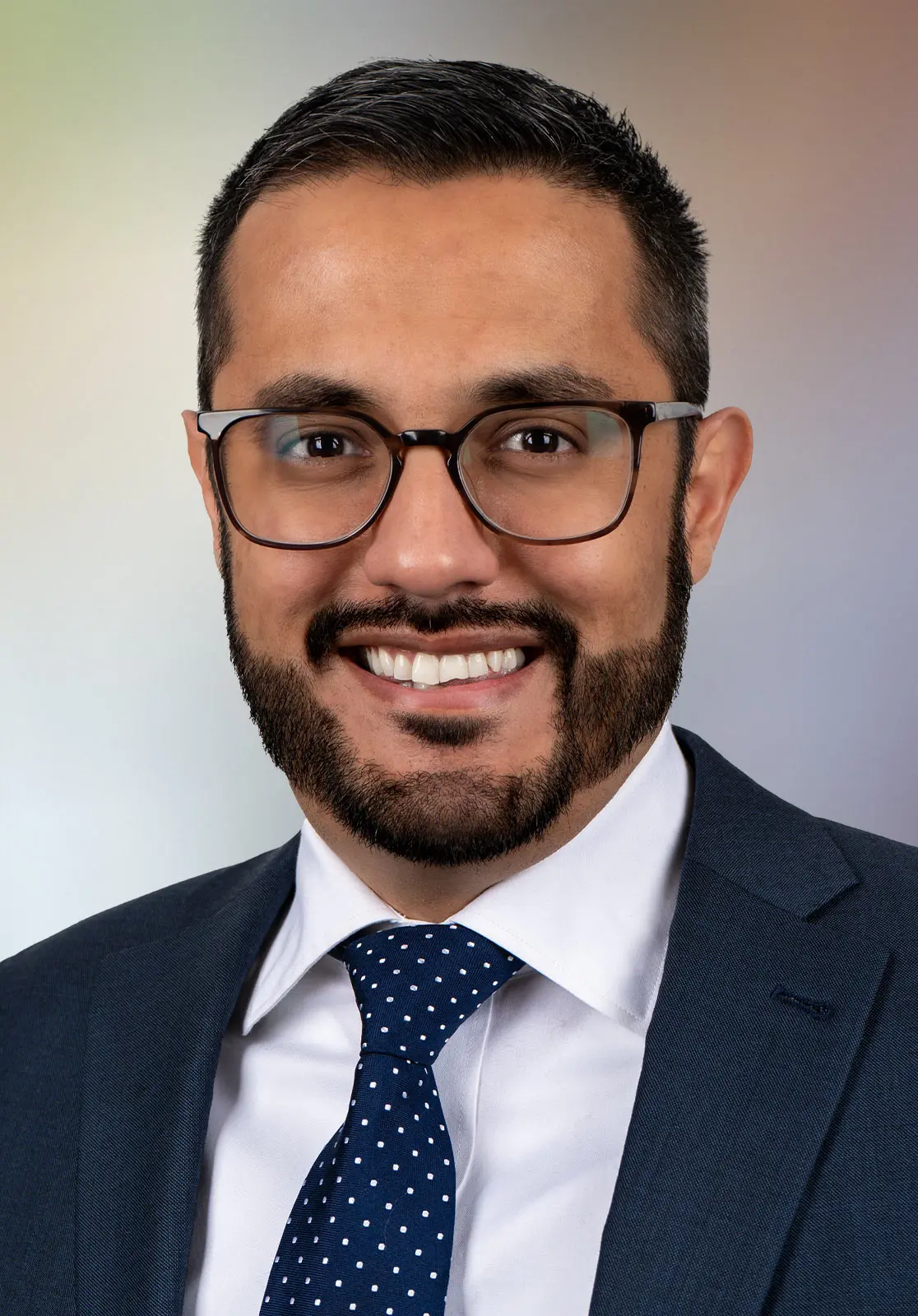
Usman Tariq has emerged as a significant political figure in recent times, attracting attention with his innovative ideas and dynamic approach to governance. His work is particularly relevant in today’s fast-evolving political landscape, where fresh perspectives are crucial in addressing complex societal challenges. As a young leader, Tariq represents the aspirations of a new generation, making him a figure worth analysing as he influences the political sphere.
Background and Political Ascendance
Usman Tariq, born in 1989, grew up in a politically active family which significantly influenced his career path. He completed his higher education in Political Science and has since dedicated himself to public service. Tariq began by engaging in grassroots movements, advocating for youth engagement in politics and democratic reforms. His rise within the ranks of his political party has been meteoric, as he has taken on various leadership roles since being elected as a local council member in 2018.
Key Initiatives and Achievements
Since entering politics, Tariq has championed several initiatives focusing on youth empowerment, education reform, and environmental sustainability. He played a pivotal role in initiating policies that allocated more funding to educational institutions, striving to make learning accessible for all. His recent campaigns have concentrated on addressing climate change, pushing for legislation that encourages renewable energy and sustainable practices within urban areas.
Engagement with Constituents
One of Tariq’s most notable traits is his commitment to constituent engagement. He has established regular town hall meetings and an active social media presence to ensure that the voices of his constituents are heard. This approach has not only enhanced his popularity but has also set a precedent for transparency and accountability in governance.
Challenges Ahead
Despite his success, Usman Tariq faces numerous challenges as he continues his political journey. The political landscape is fraught with opposition from established leaders and critical challenges like economic instability and public dissatisfaction with traditional political practices. However, his resilience and ability to adapt may prove advantageous as he navigates these hurdles.
Conclusion
Usman Tariq’s ascent in politics illustrates the potential of young leaders to reshape the future of governance. His emphasis on innovation, inclusivity, and sustainability resonates with a growing demographic that yearns for change. As he continues to rise, the implications of his policies and leadership style will likely impact the future political climate, making him a significant figure for both current and future generations to watch.