Introduction
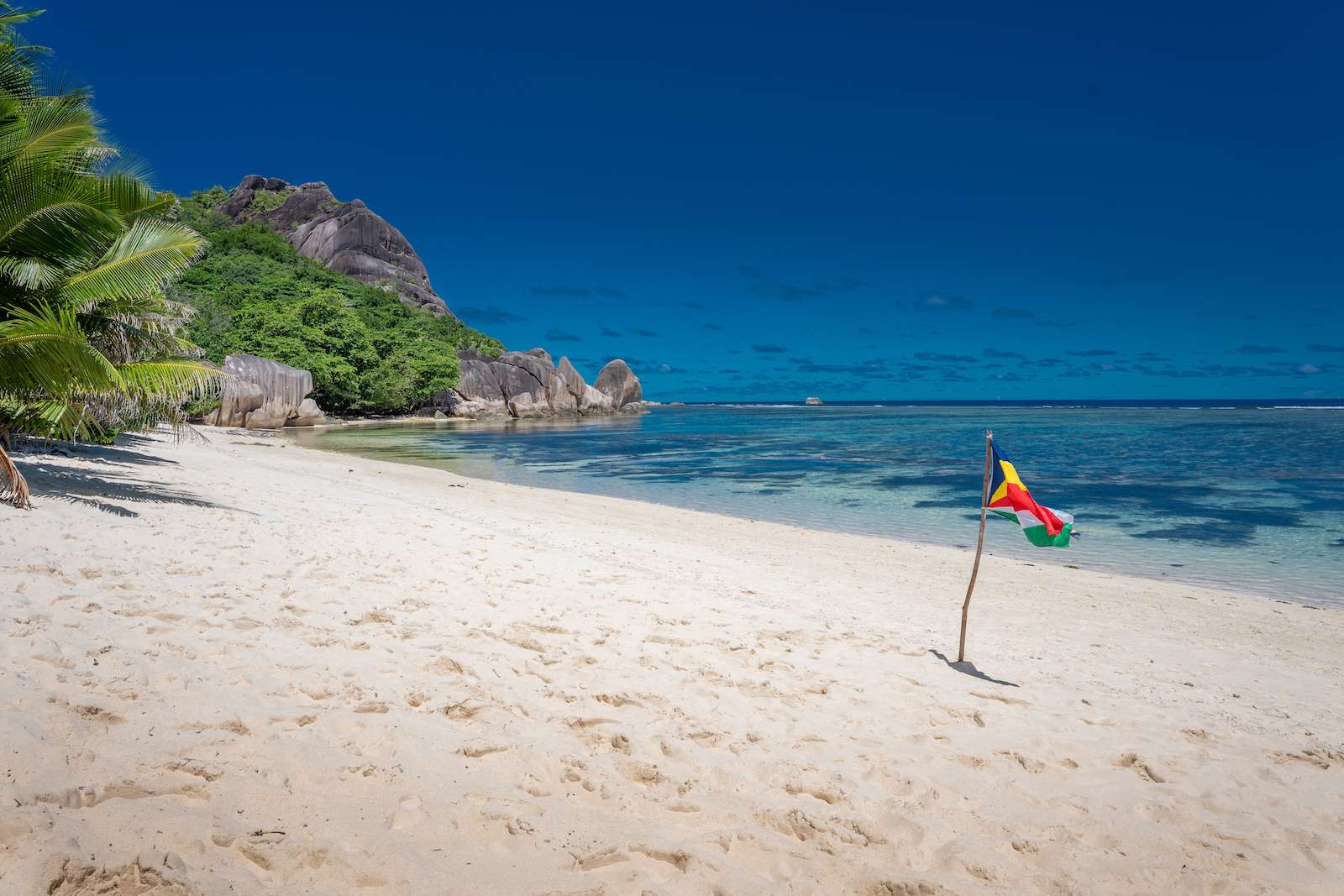
The Seychelles, an archipelago of 115 islands in the Indian Ocean, is famed for its pristine beaches, crystal-clear waters, and unique biodiversity. This tropical paradise attracts tourists from all over the world, offering an array of activities such as snorkeling, diving, and hiking in its lush national parks. The significance of the Seychelles lies not only in its natural beauty but also in its ecological importance and local culture, making it a valuable destination for tourism and conservation.
Geographical and Ecological Significance
Located approximately 1,600 kilometres east of mainland Africa, the Seychelles is renowned for its unique granite and coral islands, with the largest, Mahé, hosting the capital city, Victoria. The Seychelles is home to rich ecosystems, including the Aldabra Atoll, a UNESCO World Heritage site known for its giant tortoises and diverse marine life. The diverse flora and fauna found in the Seychelles are crucial to environmental studies and conservation initiatives that aim to protect endangered species and habitats.
Recent Developments in Tourism
In recent months, the Seychelles has made strides in promoting sustainable tourism to preserve its natural beauty while accommodating millions of visitors. The government has introduced eco-friendly initiatives, such as promoting the use of renewable energy in resorts and protecting natural reserves. Additionally, following the global pandemic, Seychelles has reopened its borders to international tourists while implementing strict health measures to ensure visitor safety. The “Seychelles Travel Authorisation” process, which includes health checks and vaccination requirements, has been pivotal in restoring confidence among travellers.
Culture and Heritage of Seychelles
The culture of the Seychelles is a blend of African, French, Indian, and Chinese influences, reflected in its cuisine, language, and festivals. The local Creole language is widely spoken, and the annual “Carnaval de Victoria” showcases local music, dance, and art, drawing significant crowds and emphasising the rich cultural heritage. Traditional dishes such as “cari” and “grilled fish” exemplify the island’s culinary diversity, enhancing the overall visitor experience.
Conclusion
The Seychelles stands as a testament to the importance of balancing tourism with environmental responsibility. As it continues to adapt and promote sustainable practices, the islands offer not only breathtaking landscapes but also a unique cultural experience. Visitors can expect a warm welcome, stunning natural beauty, and opportunities to contribute to the preservation of this extraordinary paradise. The future of the Seychelles is bright, with forecasts suggesting continued interest in eco-tourism and sustainable travel, paving the way for both conservation and economic prosperity.