Introduction
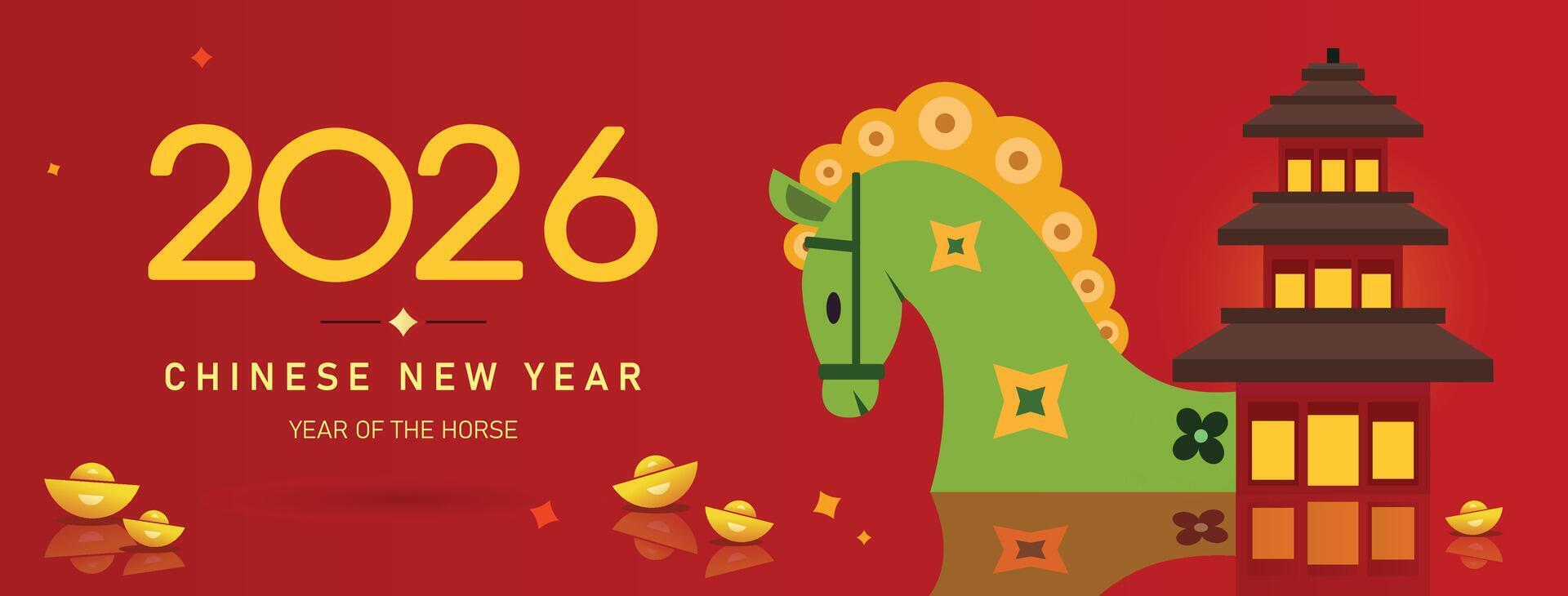
Chinese New Year is one of the most significant cultural events celebrated worldwide, marking the beginning of a new year in the lunar calendar. In 2026, Chinese New Year falls on February 17, ushering in the Year of the Monkey. The importance of this celebration transcends mere festivities; it embodies deep cultural values, family reunions, and traditions that have been passed down through generations, making it essential for both Chinese communities and those interested in global cultures.
Historical Significance
The Chinese zodiac consists of twelve animals, and each year represents a different one, rotating in a cycle. The Monkey is considered a symbol of intelligence, cleverness, and mischief. Those born in the Year of the Monkey are typically regarded as quick-witted and versatile. History indicates that welcoming the Year of the Monkey has often involved rituals and celebrations aimed at ushering in prosperity and good fortune.
Festivities to Expect in 2026
Festivities for Chinese New Year typically span fifteen days, culminating with the Lantern Festival. In 2026, traditional events will likely include family gatherings for reunion dinners, where symbolic delicacies such as dumplings, fish, and rice cakes will be served to signify wealth and prosperity. Public celebrations will take place in many global cities, featuring lion and dragon dances, fireworks, and cultural performances, showcasing the rich heritage of the Chinese community. Major cities, including London, Sydney, and San Francisco, are expected to hold large parades that attract thousands of spectators.
Global Impact and Celebrations
Chinese New Year celebrations extend beyond China, impacting millions across the globe. In countries with significant Chinese populations, such as Malaysia, Singapore, and Indonesia, traditional celebrations carry unique local adaptations. Over the years, cities outside China have embraced the festivities, enhancing cultural understanding and inclusivity. Businesses often prepare for the event with various promotions, recognising the economic importance of this holiday period.
Conclusion
As we approach Chinese New Year 2026, its relevance continues to grow globally, representing a time for reflection, family unity, and cultural expression. With the Year of the Monkey promising intelligence and resourcefulness, it invites aspirations for a prosperous year ahead. For participants and observers alike, the celebrations will serve as a reminder of the importance of tradition and community in today’s fast-paced world. As the festive season approaches, anticipation grows for the joy and unity that this vibrant holiday brings.