Introduction
Charles Bronson remains one of the most influential figures in cinema, known for portraying tough, no-nonsense characters that resonated with audiences around the world. Born on November 3, 1921, in Ehrenfeld, Pennsylvania, Bronson’s story is a remarkable account of perseverance, shaping Hollywood’s image of masculinity and toughness.
Early Life and Career
Bronson, born Charles Dennis Buchinsky, came from a poor family of Lithuanian descent. He joined the U.S. Army Air Forces during World War II and served as a B-29 gunner in the Pacific Theatre. After the war, Bronson pursued acting, initially working in the backdrop of Hollywood, taking on supporting roles in television series and films throughout the 1950s. It wasn’t until he starred in the film ‘The Magnificent Seven’ (1960) that he began to gain recognition for his stoic presence on screen.
Rise to Stardom
Throughout the 1970s, Bronson became a household name, largely due to his performances in action and thriller films. Movies like ‘Death Wish’ (1974) propelled him to superstardom as his character, Paul Kersey, became emblematic of revenge-driven narratives that captivated audiences. Bronson’s portrayal of vigilante justice struck a chord during a time when America was grappling with crime and societal issues. Other notable films include ‘The Great Escape’ (1963), ‘Once Upon a Time in the West’ (1968), and ‘The Mechanic’ (1972), all showcasing his rugged charm and acting prowess.
Later Life and Legacy
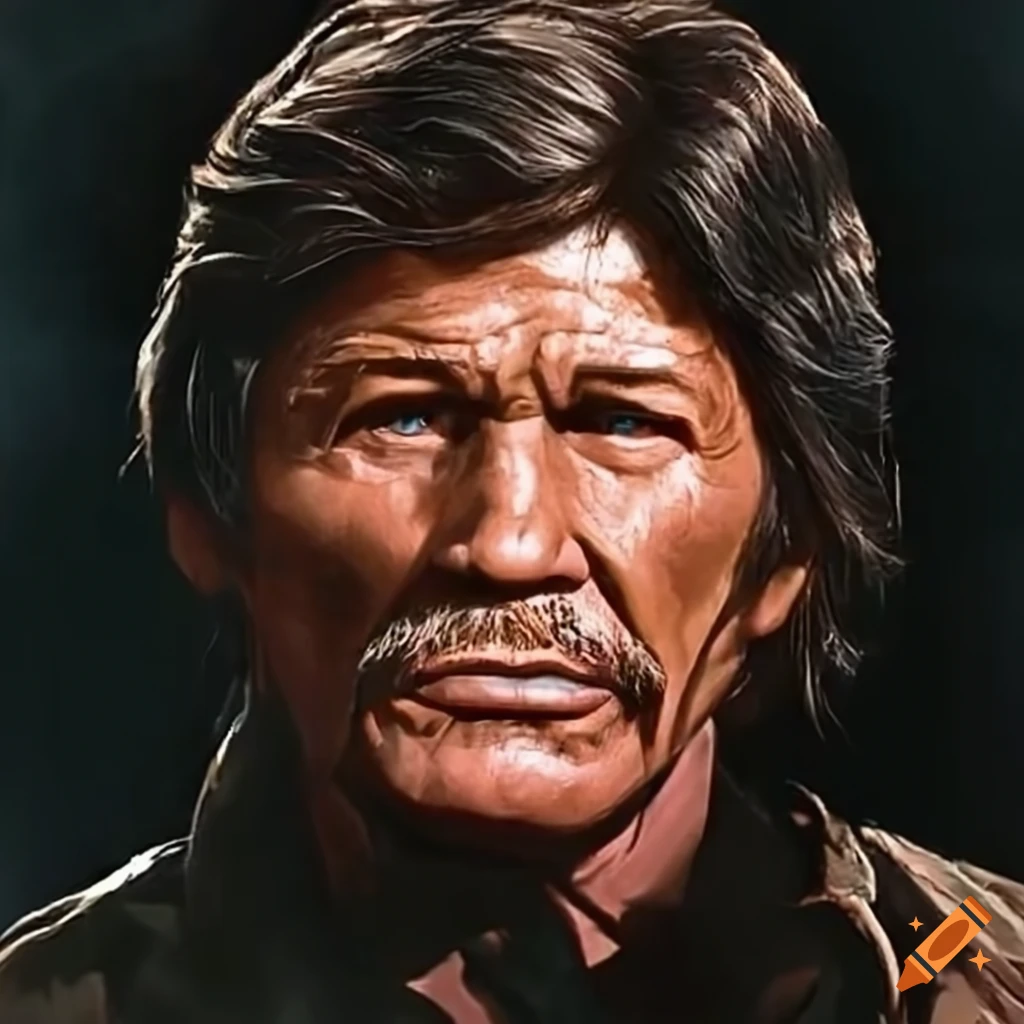
As the years passed, Bronson became known not only for his iconic roles but also for his distinctive appearance, characterised by a weathered face and a trademark moustache. Even in his later years, he continued to work, appearing in successful films such as ‘Death Wish 3’ (1985) and ‘Kinjite: Forbidden Subjects’ (1989). His passing on August 30, 2003, marked the end of an era, but his influence endures. He is often cited as a symbol of the action genre and his films remain popular across various platforms.
Conclusion
Charles Bronson’s legacy is etched in film history as the quintessential tough guy, whose characters often highlighted themes of justice and retribution. As audiences continue to discover and revisit his work, Bronson’s influence on both the action genre and the portrayal of masculinity in cinema is undeniable. For new generations of filmgoers, exploring Bronson’s filmography provides insight into the cultural paradigms of his era and the evolution of cinematic storytelling.