Introduction
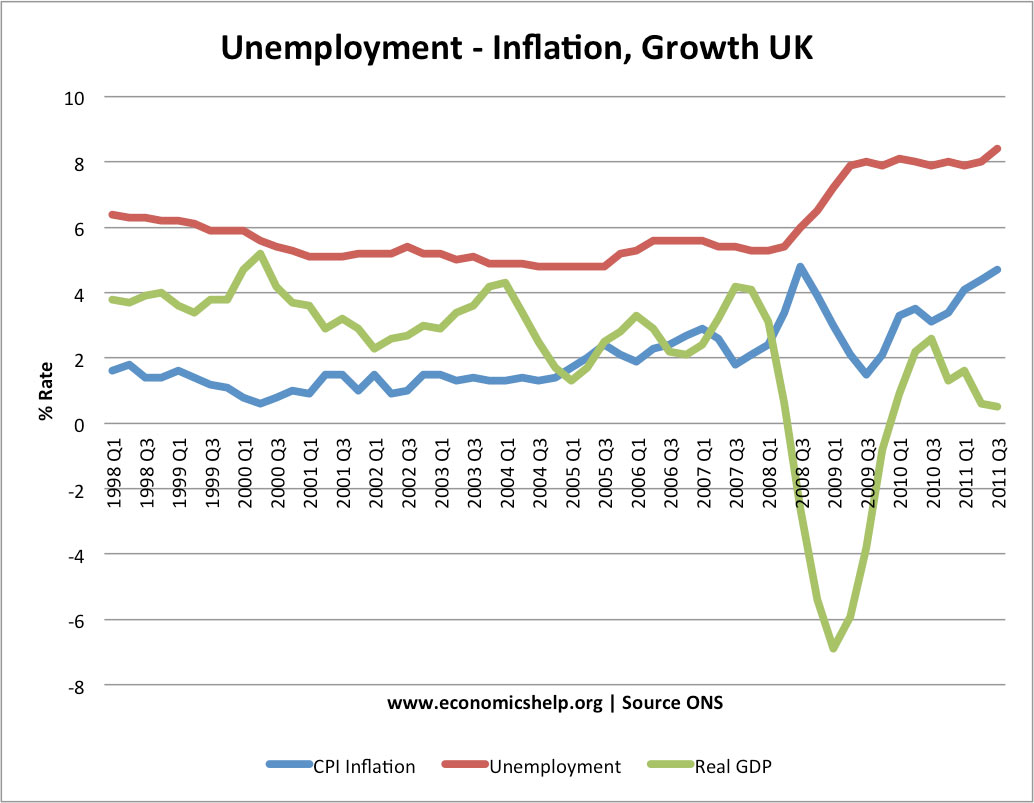
The unemployment rate serves as a vital indicator of economic health, showing the percentage of the labour force that is unemployed and actively seeking employment. In the UK, understanding the current unemployment rate is crucial for policymakers, businesses, and job seekers, reflecting trends that can affect consumer confidence and economic growth.
Current Unemployment Rate
As of August 2023, the UK unemployment rate stands at 4.2%, according to the Office for National Statistics (ONS). This marks a slight increase from 4.0% earlier in the year, as the nation continues to navigate economic recovery post-pandemic. The uptick has raised concerns among economists about the long-term implications for job security and wage growth.
Economic Context
The rise in unemployment can be attributed to several factors, including ongoing inflationary pressures, the cost of living crisis, and the repercussions of geopolitical tensions affecting global markets. The Bank of England has raised interest rates multiple times in an attempt to curb inflation, which has resulted in some slowing of hiring in various sectors.
Sector-Specific Analysis
Some sectors are experiencing greater job losses than others. The hospitality and retail industries have been particularly hard-hit, with many businesses struggling to maintain staffing levels amidst rising costs. Conversely, sectors such as technology and healthcare continue to see demand for skilled workers, which can offset some of the unemployment pressures.
Government Response
The UK government has introduced several initiatives aimed at addressing unemployment, including the ‘Plan for Jobs’ programme that supports training and apprenticeships. These initiatives are geared towards equipping jobseekers with the skills needed for current vacancies, particularly in growing sectors such as technology and green energy.
Conclusion
The current unemployment rate in the UK is a complex reflection of economic conditions influenced by a range of domestic and global factors. As businesses adapt to changes in consumer behaviour and economic policy, the job market’s fluidity is likely to persist. Stakeholders must remain vigilant and proactive in responding to these changes to foster a resilient workforce. Looking ahead, economic forecasts indicate that while challenges remain, targeted interventions may help mitigate unemployment levels and support sustainable job growth in the future.