Introduction
Pancake Tuesday, also known as Shrove Tuesday, holds a significant place in the calendar, particularly in Christian traditions as it marks the day before Lent begins. This festive day allows people to indulge in delicious pancakes before the 40-day period of fasting commences. The importance of Pancake Tuesday lies not only in its culinary delights but also in the community spirit it fosters as families and friends gather to enjoy this special treat.
The Origins of Pancake Tuesday
The name ‘Shrove Tuesday’ comes from the Anglo-Saxon word ‘shrive’, which means to confess. Traditionally, it was a day for Christians to confess their sins before Lent, using up rich foods such as eggs, milk, and sugar – ingredients essential for making pancakes. The practice of pancake-making dates back hundreds of years, with records of pancake races in England as early as the 15th century. These celebrations often include the tradition of tossing pancakes, adding an element of fun to the culinary experience.
Modern Celebrations
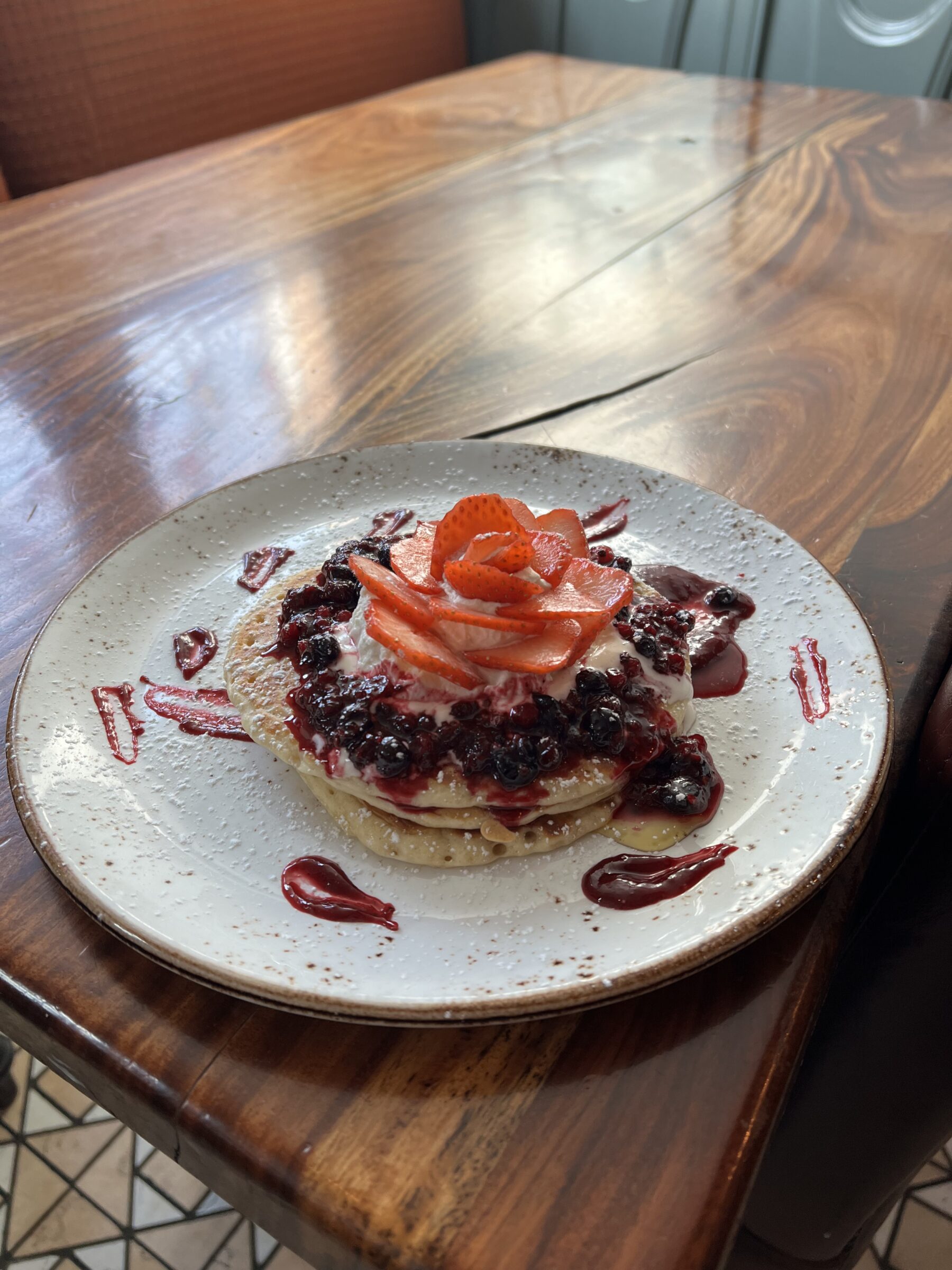
In contemporary times, Pancake Tuesday is celebrated not only in the UK but across many parts of the world, with each region adding its unique twist. In the UK, people commonly prepare a simple recipe of flour, eggs, and milk, but variations abound. Crepe-style pancakes, thick American pancakes, and even savoury options have all found their way onto tables. Many communities also host pancake races and fairs, with locals participating in competitive pancake tossing events, further enhancing the festive atmosphere.
Pancake Tuesday Around the World
Outside of the UK, Pancake Tuesday is celebrated in various cultures. In France, ‘Mardi Gras’ (Fat Tuesday) incorporates the culinary celebration of crêpes, while in Brazil, the day is associated with the Carnival. This shows how Pancake Tuesday can be a part of a larger cultural context that promotes indulgence and festivity before the season of Lent.
Conclusion
Pancake Tuesday serves as a reminder of the rich traditions that come with it, blending culinary pleasure with deep cultural significance. As communities come together to celebrate this day filled with pancakes and joy, it reinforces not just a historical legacy but also modern communal bonds. Whether you toss pancakes or simply relish in their taste, this day provides an opportunity to partake in a time-honoured ritual that continues to warm hearts across generations. Looking forward, the celebration of Pancake Tuesday is likely to grow, evolving with new trends while maintaining its core essence of community and tradition.