The Importance of Namibia
Namibia, located in southwestern Africa, is renowned for its breathtaking landscapes, diverse wildlife, and rich cultural heritage. Its unique features, including vast deserts, dramatic coastlines, and vibrant indigenous cultures, make it an increasingly popular destination for ecotourism and adventure seekers. Understanding Namibia’s significance is crucial not only for its tourism potential but also for conservation efforts and cultural preservation.
Geographical and Cultural Highlights
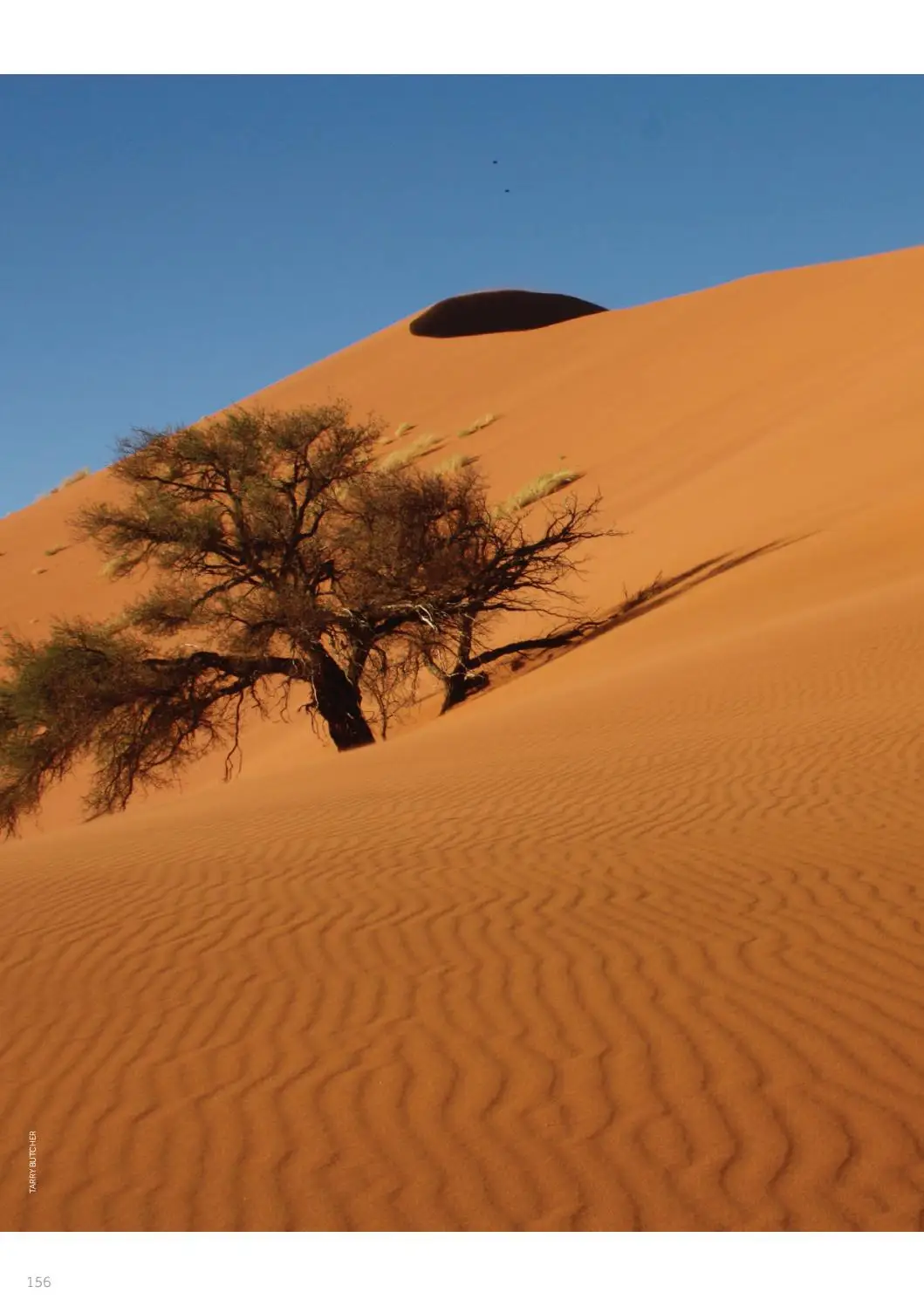
Namibia is home to several remarkable geographical features, such as the Namib Desert—the world’s oldest desert—and the spectacular Etosha National Park, which serves as a sanctuary for various species of wildlife including elephants, lions, and rhinos. The country is also known for its vibrant cultures, including the Himba and San peoples, who maintain centuries-old traditions.
In recent years, Namibia’s commitment to sustainable tourism has garnered international attention. The country has made significant strides in community-based tourism, allowing local communities to benefit economically while preserving their culture and environment.
Current Events and Developments
In 2023, Namibia has continued to engage in environmental conservation efforts, with initiatives focused on anti-poaching measures and wildlife preservation. The government has also worked on attracting international investments to promote greener tourism practices. A report released by the Namibian Ministry of Environment, Forestry, and Tourism highlighted a rise in tourist arrivals, indicating a growing interest in wildlife safaris and eco-friendly lodges.
Furthermore, Namibian authorities aim to address challenges such as climate change and drought, which pose threats to both people and wildlife. Innovative solutions, including more efficient water management systems and renewable energy projects, are being introduced to mitigate these issues.
Conclusion: The Significance of Namibia Today
As Namibia continues to balance tourism growth with environmental sustainability, it remains a beacon of hope for countries advocating for eco-friendly practices. For travellers, the enchanting landscapes and rich cultural dynamics present a unique experience that goes beyond typical tourism. Namibia’s future lies in its ability to embrace sustainable practices while showcasing its extraordinary offerings to the world. This dynamic approach not only enhances visitor experiences but also serves as a model for regions facing similar environmental and cultural challenges.