Introduction
Measles is a highly contagious viral infection that remains a significant health threat despite the availability of effective vaccines. Recently, there has been a resurgence of measles cases in various regions due to vaccine hesitancy and misinformation. Understanding the symptoms of measles is crucial for early identification and prevention of outbreaks.
Common Symptoms of Measles
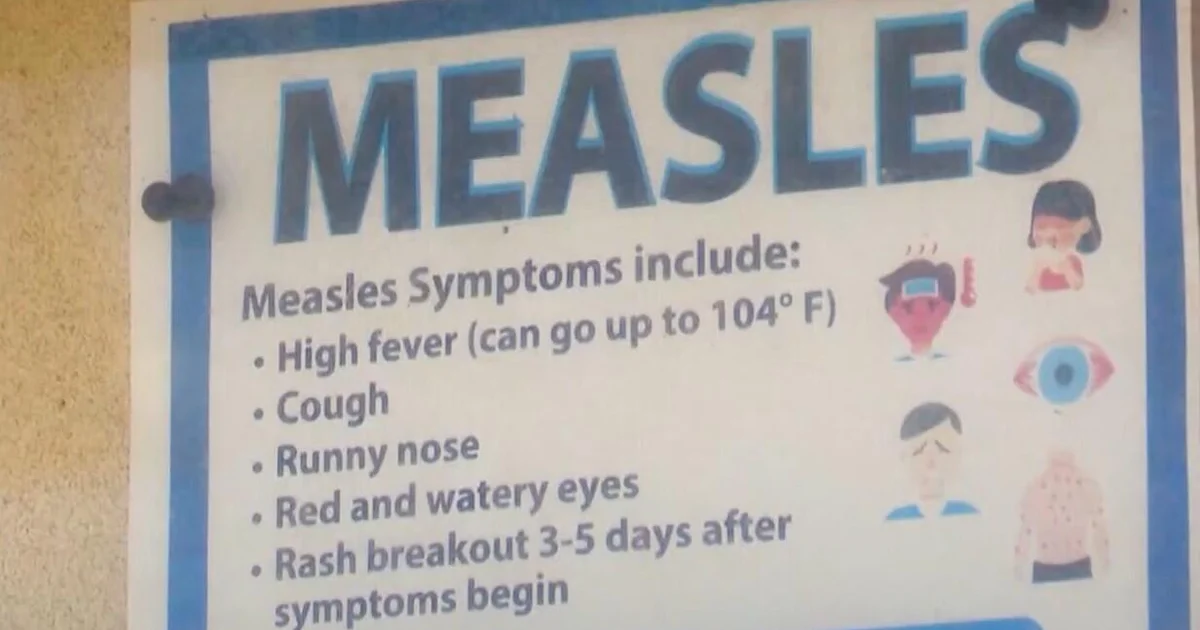
The symptoms of measles usually appear around 10 to 14 days after exposure to the virus. Early symptoms can resemble those of a common cold, making it essential to be vigilant. Some of the primary symptoms include:
- Fever: A high fever typically begins around the onset of the rash.
- Cough: A dry cough is common in the early stages.
- Runny nose: Nasal congestion and a discharge are frequent.
- Sore throat: This can accompany the other respiratory symptoms.
- General malaise: Fatigue and overall discomfort are common initial feelings.
Distinctive Symptoms
After the early symptoms, a characteristic red or brown rash usually develops. This rash typically appears 3 to 5 days after the first symptoms and starts on the face at the hairline before spreading to the rest of the body. Other distinctive features include:
- Koplik’s spots: These small white spots may appear inside the mouth a few days before the rash emerges.
- Progressing rash: The rash can merge as it spreads and usually lasts for about a week.
Importance of Awareness and Vaccination
Being aware of measles symptoms is vital for prompt action. Measles can lead to severe complications, particularly in young children, which can include pneumonia, encephalitis, and even death. Vaccination with the measles, mumps, and rubella (MMR) vaccine is the most effective way to prevent measles and its complications. The World Health Organization (WHO) highlights the importance of maintaining high vaccination coverage to prevent outbreaks.
Conclusion
In conclusion, recognising measles symptoms early can save lives and help control potential outbreaks. With ongoing vaccine advocacy and awareness campaigns, the incidence of measles can be significantly reduced. It is vital for parents and communities to ensure that vaccination schedules are adhered to, ultimately protecting the health of current and future generations.