Introduction
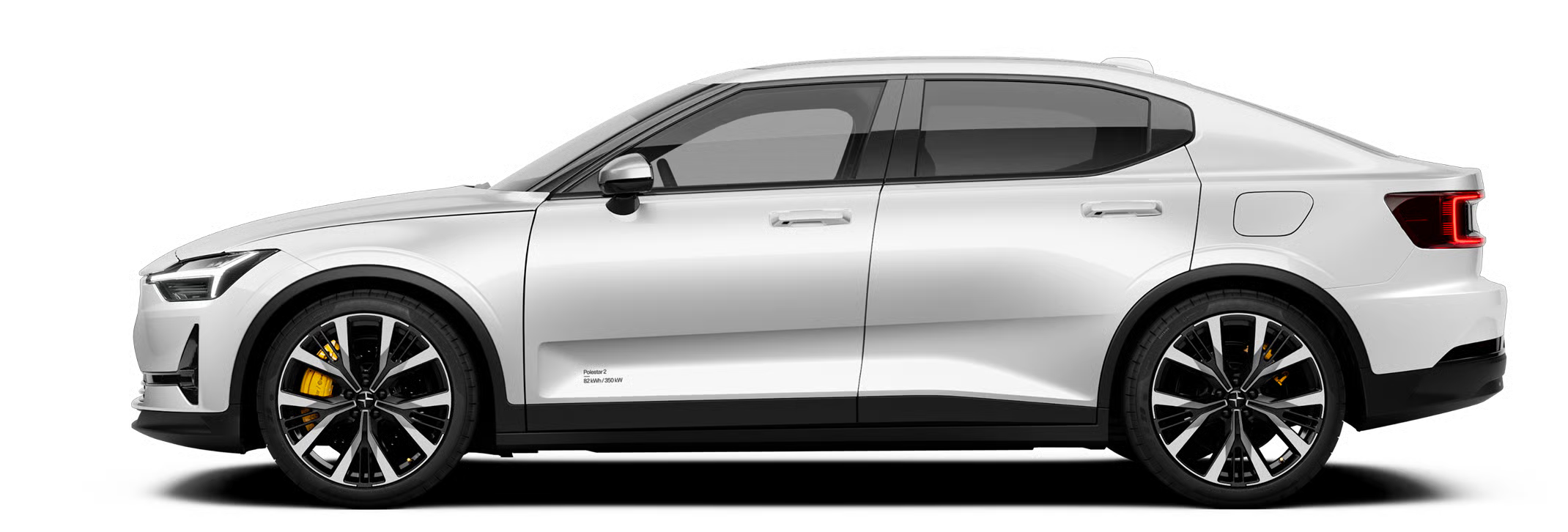
The electric car industry is experiencing a transformative shift as manufacturers and consumers alike embrace sustainable transportation solutions. With climate change becoming an ever-pressing concern, electric vehicles (EVs) offer a promising alternative to traditional petrol and diesel cars. In 2023, the importance of electric cars is underscored by escalating government regulations, advances in technology, and a growing public demand for eco-friendliness.
Market Growth and Innovations
According to a report by the International Energy Agency (IEA), global electric car sales reached a record of 10 million units in 2022, marking a 55% increase compared to the previous year. This trend is expected to continue in 2023 as several key automakers, including Tesla, Ford, and Volkswagen, invest heavily in EV technology and infrastructure. Notably, the availability of more affordable models with longer ranges is making electric cars accessible to a broader audience.
Additionally, advancements in battery technology have significantly improved the performance and charging speed of electric vehicles. Manufacturers are increasingly adopting solid-state batteries that promise higher energy densities and faster charging times, making electric cars a more attractive option for consumers.
Government Initiatives and Consumer Interest
Government policies play a crucial role in the adoption of electric cars. In the UK, the government has pledged to end the sale of new petrol and diesel vehicles by 2030, encouraging consumers to switch to electric alternatives. In 2023, incentives such as grants for EV purchases and investments in charging infrastructure continue to support this transition. The expansion of charging networks across urban and rural areas is essential to alleviate range anxiety among potential EV buyers.
Public interest in electric cars is also swelling, driven by increasing environmental awareness. A recent survey indicated that nearly 70% of UK residents are considering switching to an electric vehicle within the next few years, illustrating a significant shift in consumer attitudes towards sustainable transportation.
Conclusion
As 2023 unfolds, the electric car industry stands on the brink of a revolution, with substantial growth potential. The ongoing advancements in technology, supportive government initiatives, and shifting consumer perspectives position electric vehicles at the forefront of the automotive market. For readers, this evolution signifies not only an opportunity to contribute to a more sustainable future but also an investment in an increasingly viable and economically appealing mode of transportation. The electric car is not just a passing trend; it represents a fundamental change in how we approach mobility and environmental conservation.