Introduction
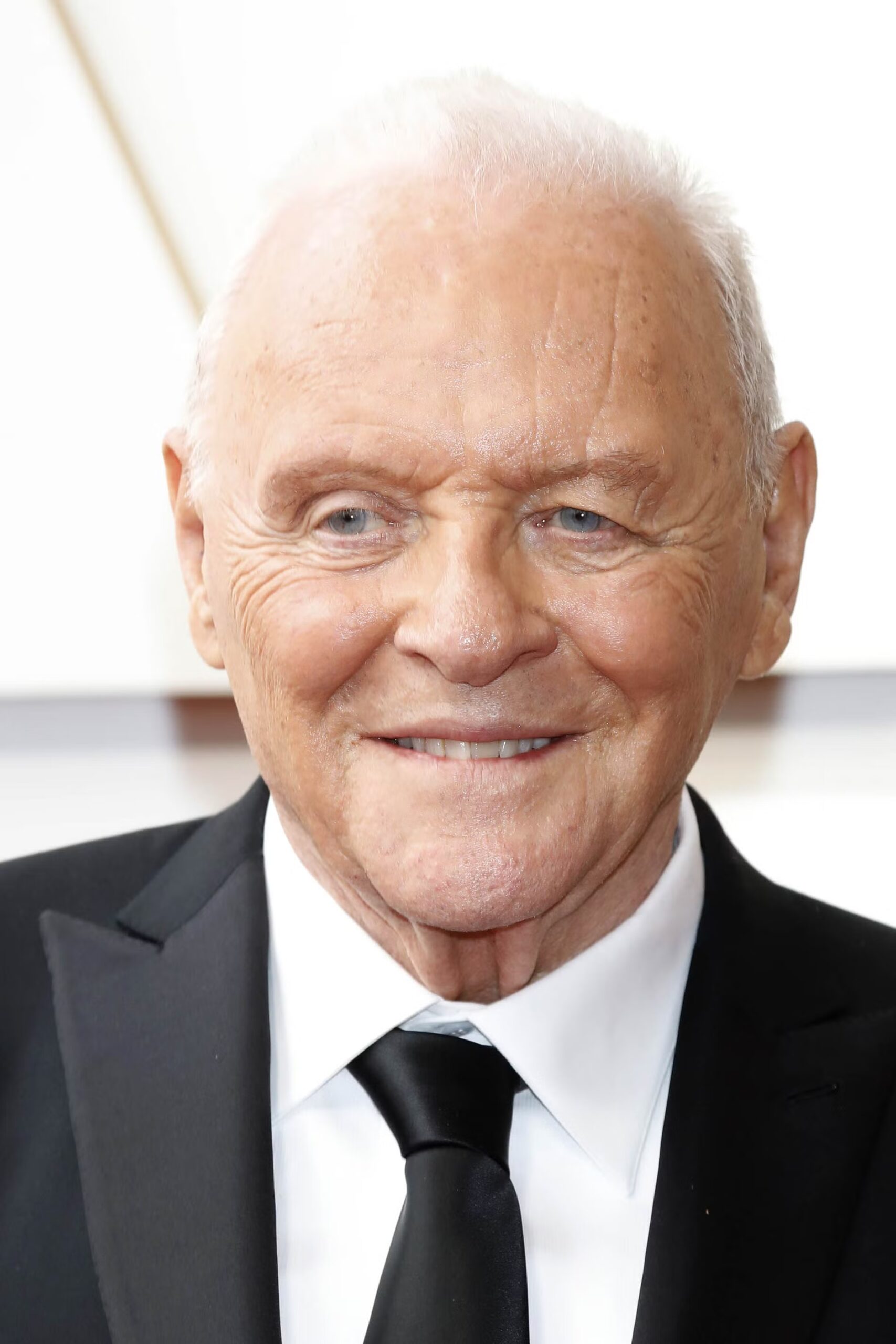
Sir Anthony Hopkins is a celebrated Welsh actor, director, and producer, renowned for his extensive contributions to cinema and theatre. His exceptional craft has earned him multiple accolades, including two Academy Awards and numerous BAFTAs. Understanding Anthony Hopkins’ impact on the film industry is essential as it offers insights into the evolution of cinematic arts and the portrayal of complex characters.
Early Life and Career
Born on December 31, 1937, in Port Talbot, Wales, Anthony Hopkins showed an early interest in acting. He trained at the Welsh College of Music and Drama and further honed his skills at the Royal Academy of Dramatic Art (RADA) in London. His career began in theatre in the 1960s, where he gained recognition for his powerful performances.
Breakthrough Roles
Hopkins’ breakthrough came in 1991 with his iconic portrayal of Dr. Hannibal Lecter in “The Silence of the Lambs”, a role that solidified his status as one of Hollywood’s greatest actors. The film earned him the Academy Award for Best Actor, and his chilling performance left an indelible mark on the thriller genre. He further demonstrated his versatility in films such as “The Remains of the Day” (1993) and “The Father” (2020), the latter earning him his second Academy Award.
Recent Work and Recognition
In recent years, Hopkins has continued to captivate audiences with his performances, notably in films like “The Father”, which portrays the struggles of dementia with profound sensitivity. His exceptional ability to convey deep emotion has been recognised both by audiences and critics alike.
Conclusion
Anthony Hopkins’ legacy in the film industry is unmatched, characterised by his dedication to the craft and his ability to bring complex characters to life. As he continues to be active in the industry, his future projects are highly anticipated, ensuring that his influence on both upcoming actors and audiences alike will endure. For those interested in the arts, studying his career offers valuable lessons in resilience, skill, and the pursuit of excellence.