Introduction
The National Aeronautics and Space Administration (NASA) plays a pivotal role in advancing our understanding of space and the universe. With its groundbreaking missions, innovative research, and commitment to exploration, NASA continues to inspire and educate the global community about the significance of space science and technology. Understanding NASA’s current initiatives can help us appreciate the complexities of space exploration and its implications for our future.
Current Missions and Projects
In recent months, NASA has focused on several high-profile missions. The Artemis I mission, which successfully launched in November 2021, marked a significant step towards returning humans to the Moon. This uncrewed test flight of the Orion spacecraft set the stage for future crewed missions under the Artemis program. Scheduled for 2024, Artemis II aims to carry astronauts around the Moon, and subsequent missions will work towards establishing a sustainable presence on the lunar surface.
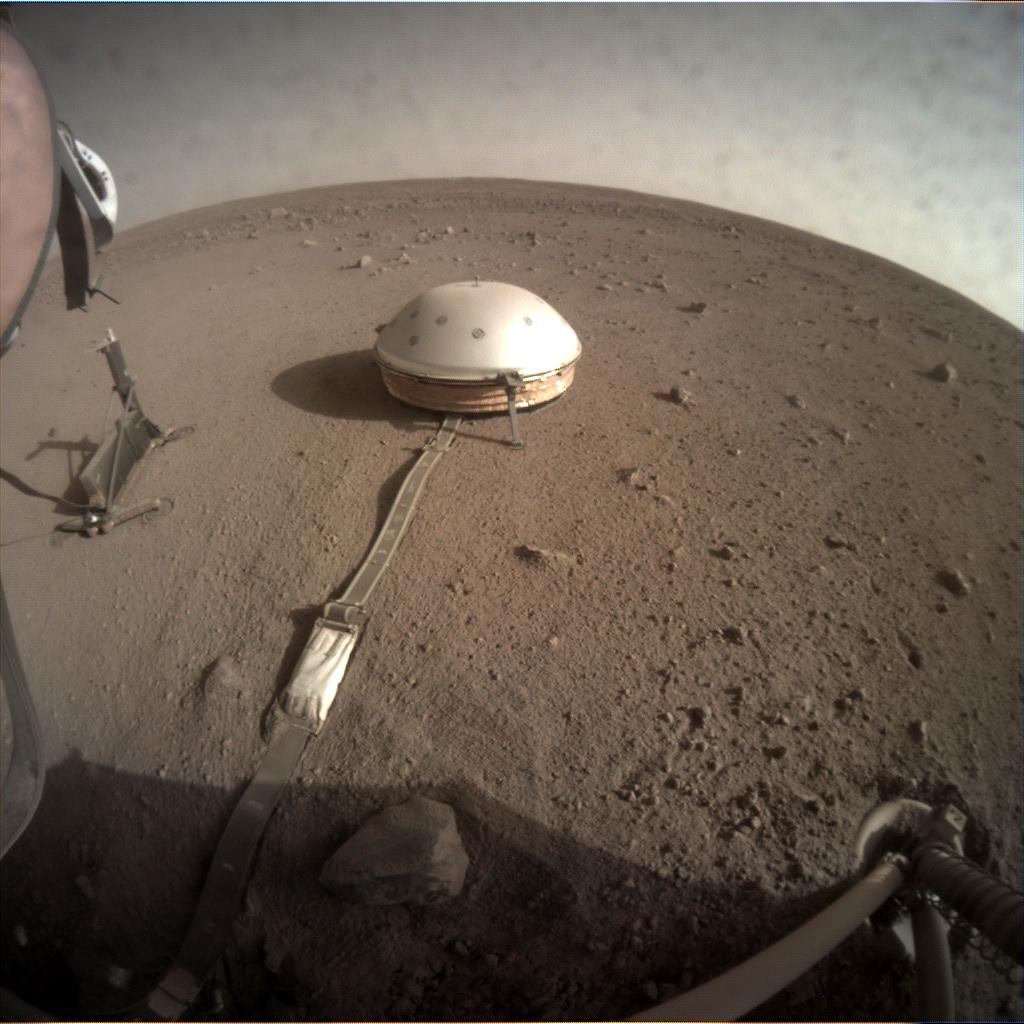
Additionally, NASA’s Mars Exploration Program continues to yield fascinating insights. The Perseverance rover, which land in February 2021, is actively analysing the Martian surface and collecting samples that may one day be returned to Earth. Alongside Perseverance, the Ingenuity helicopter has demonstrated the viability of powered flight in Mars’ thin atmosphere, marking a historic milestone in extraterrestrial aviation.
Technological Innovations
NAsa also invests heavily in technology and engineering innovations. The James Webb Space Telescope, launched in December 2021, is set to revolutionise our understanding of the cosmos by providing unprecedented views of the universe’s earliest galaxies, star formation, and exoplanets. Its advanced infrared capabilities allow scientists to explore celestial phenomena that were previously invisible to us.
Significance and Future Outlook
The work done by NASA extends beyond exploration; it informs various scientific disciplines and inspires international collaboration. The agency’s commitment to education, diversity, and public engagement ensures that knowledge about space reaches all corners of the globe. By encouraging students and young professionals to pursue careers in STEM (Science, Technology, Engineering, and Mathematics), NASA fosters a new generation of explorers and innovators.
As we look to the future, the importance of NASA’s missions cannot be overstated. The Artemis program aims not only for lunar exploration but also prepares for future manned missions to Mars by the 2030s. Through their tireless efforts, NASA continues to expand our frontiers and challenge our understanding of the universe.
Conclusion
NASA’s contributions to science and space exploration are profound, influencing not only our understanding of the universe but also inspiring humanity’s quest for knowledge. As the agency moves into the next decade, its strategic missions, technological advancements, and commitment to global cooperation will remain vital in shaping the future of space exploration and research.