Introduction
The collisions involving US Navy ships have become a matter of utmost concern for maritime safety and military operations. Such incidents not only raise questions about navigational protocols but also highlight potential vulnerabilities in naval defence strategies. Recent weeks have witnessed several high-profile collisions that underscore the importance of addressing these challenges effectively.
Recent Collisions
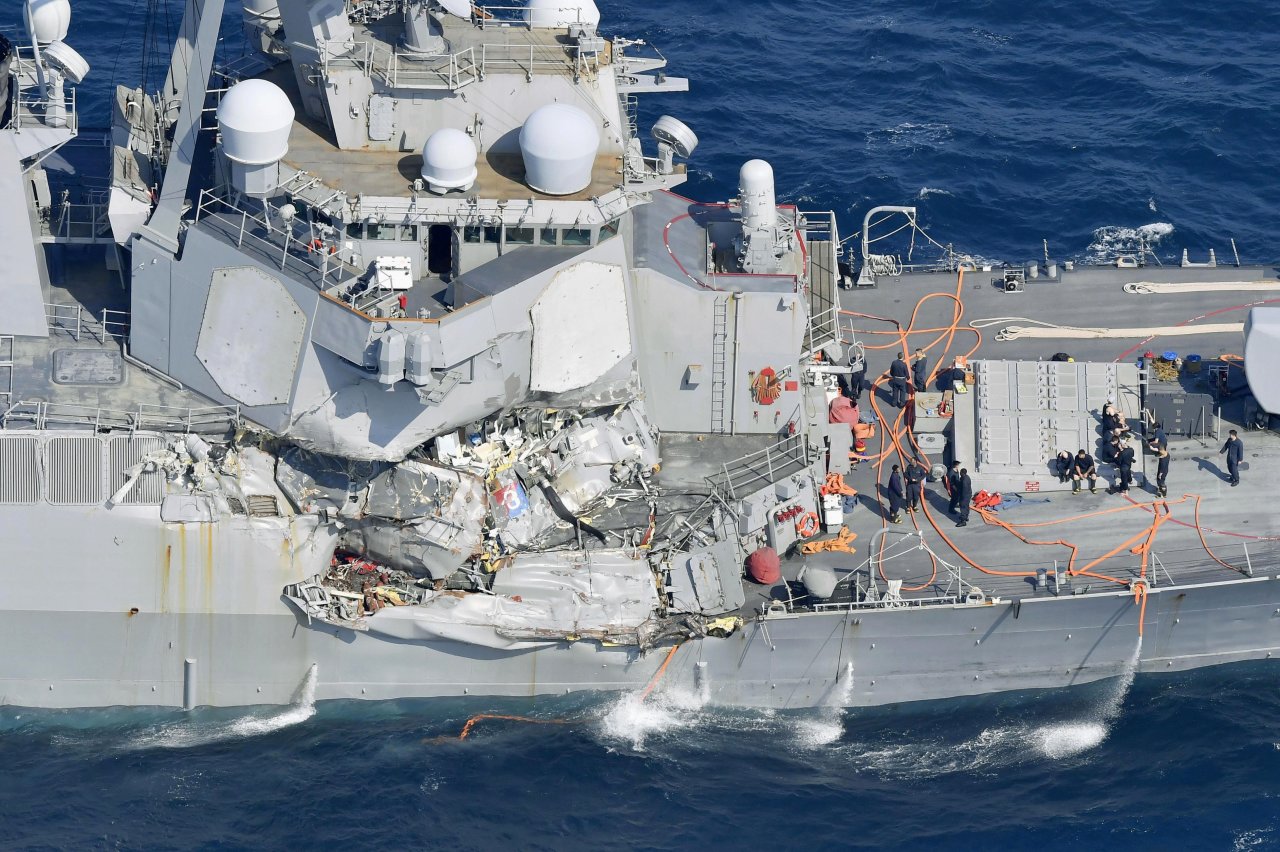
On October 1, 2023, two US Navy vessels, the USS Fitzgerald and the USS John S. McCain, collided in the busy waters near Yokosuka, Japan. Reports indicate that the Fitzgerald was conducting routine operations when it struck the John S. McCain amid a dense fog. Fortunately, the incidents resulted in no casualties, but both ships sustained significant damage, requiring extensive repairs.
Another notable incident occurred in September 2023, involving the USS Porter and a commercial cargo ship in the Mediterranean Sea. The USS Porter, while attempting a manoeuvre during a training exercise, misjudged the distance to the cargo vessel, leading to a collision. Thankfully, this incident also resulted in no injuries, yet it showcased the need for improved communication protocols amongst naval vessels and commercial shipping.
Factors Contributing to Collisions
Experts have pointed to various factors contributing to these collisions, including human error, inadequate situational awareness, and potential failures in communication systems. Moreover, as naval operations become more complex and vessels increasingly operate in congested waterways, the likelihood of such accidents may rise unless effective measures are implemented.
Impact on Naval Operations
The implications of these collisions extend beyond physical damage. They raise concerns regarding the readiness and reliability of naval vessels, potentially detracting from operational objectives. The Navy is under pressure to enhance training protocols for their sailors and introduce advanced technology that can aid in collision avoidance.
Conclusion
As the frequency of collisions involving US Navy ships continues to alarm military officials and the public alike, it is imperative that the Navy prioritises safety and navigational effectiveness. Addressing systemic issues, enhancing training, and leveraging technological advancements will be essential in preventing future incidents. The ongoing investigations into these accidents serve not only to uncover the root causes but also to bolster the Navy’s commitment to ensuring the safety of its personnel and assets in a perilous maritime environment.