Introduction
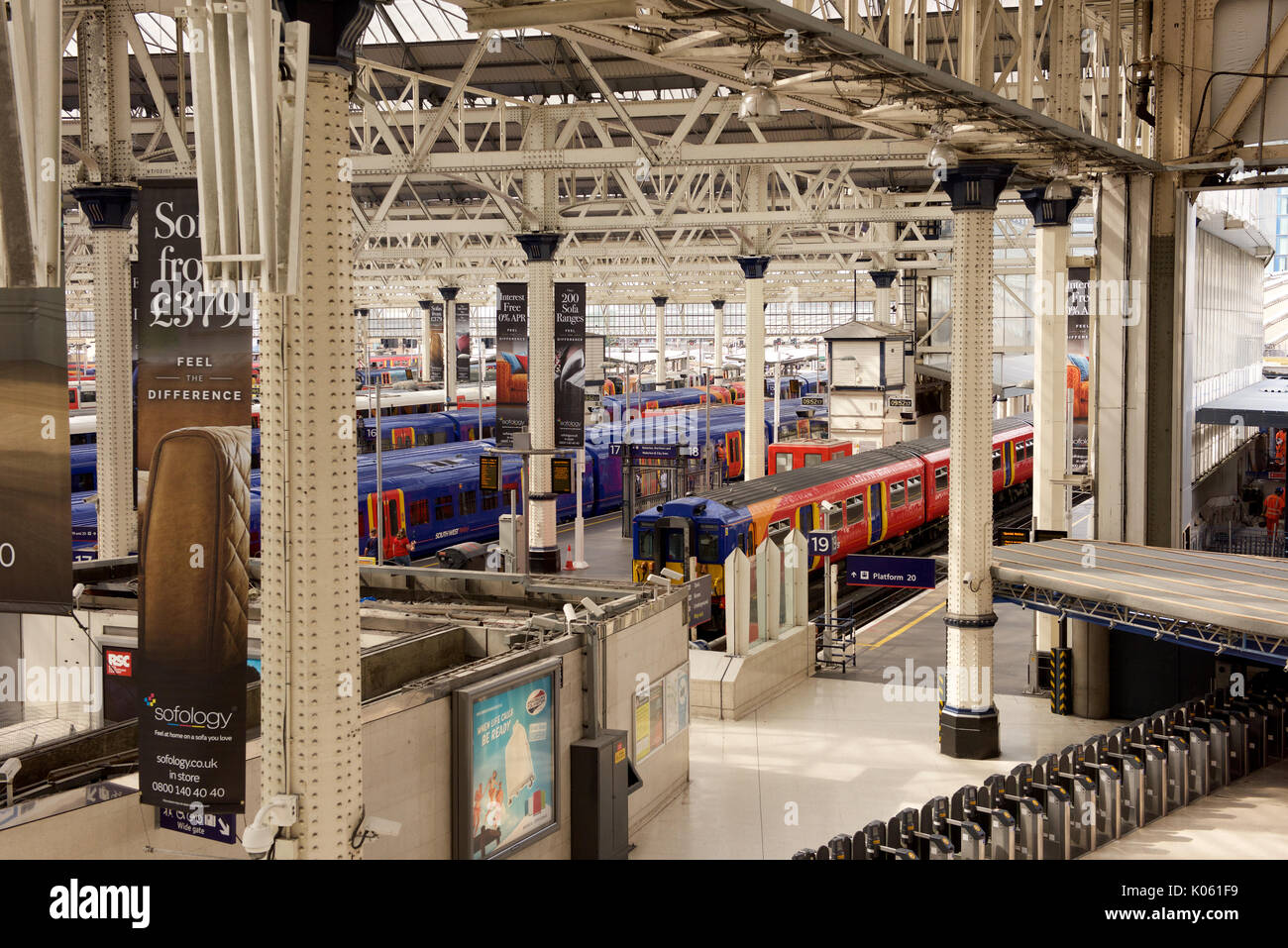
London Waterloo, one of the busiest railway stations in the United Kingdom, plays a crucial role in London’s transport infrastructure. The station stands as a vital hub connecting commuters to key destinations in London and beyond, supporting the city’s economy and daily travel needs. With the increased demand for efficient public transport, understanding the operations and recent developments surrounding London Waterloo trains has become essential for both residents and visitors.
Current Operations and Developments
As of October 2023, London Waterloo remains a central terminus for services headed to various southern destinations including Southampton, Woking, and Gatwick Airport. Recently, the station has seen enhancements aimed at improving passenger experience. Investments include modernised waiting areas, improved accessibility features, and the introduction of digital information screens that provide real-time updates on train schedules.
Moreover, the railway operator South Western Railway has announced several upgrades to their fleet, with an emphasis on sustainability. Newer electric trains are gradually replacing older diesel units, aiming to reduce carbon emissions and improve energy efficiency. This transition is part of a wider commitment to green transport solutions across the UK.
Impact on Commuters and Tourism
London Waterloo’s efficient train services not only serve everyday commuters but also substantially support the tourism industry. Visitors arriving at Waterloo can easily access famous landmarks such as the London Eye, the Houses of Parliament, and theatres in the West End. The station’s well-connected routes encourage tourism and contribute significantly to the economy of the capital.
Forecast for Future Operations
<pLooking ahead, the demand for services from London Waterloo is expected to continue growing. The ongoing developments in the surrounding infrastructure, such as the upcoming enhancements to the Bakerloo Line, promise to further ease access to the station. Additionally, urban expansion in nearby boroughs indicates an increase in passenger numbers, reinforcing the necessity for sustained investment in services and facilities.
Conclusion
In conclusion, London Waterloo trains are integral to the transport network in London, facilitating not just daily commutes but also tourism and economic activity. The station’s ongoing upgrades reflect a commitment to meeting future travel demands and contributing to a sustainable transport future. As the city continues to evolve, so too will the necessity for efficient, reliable, and environmentally friendly train services.