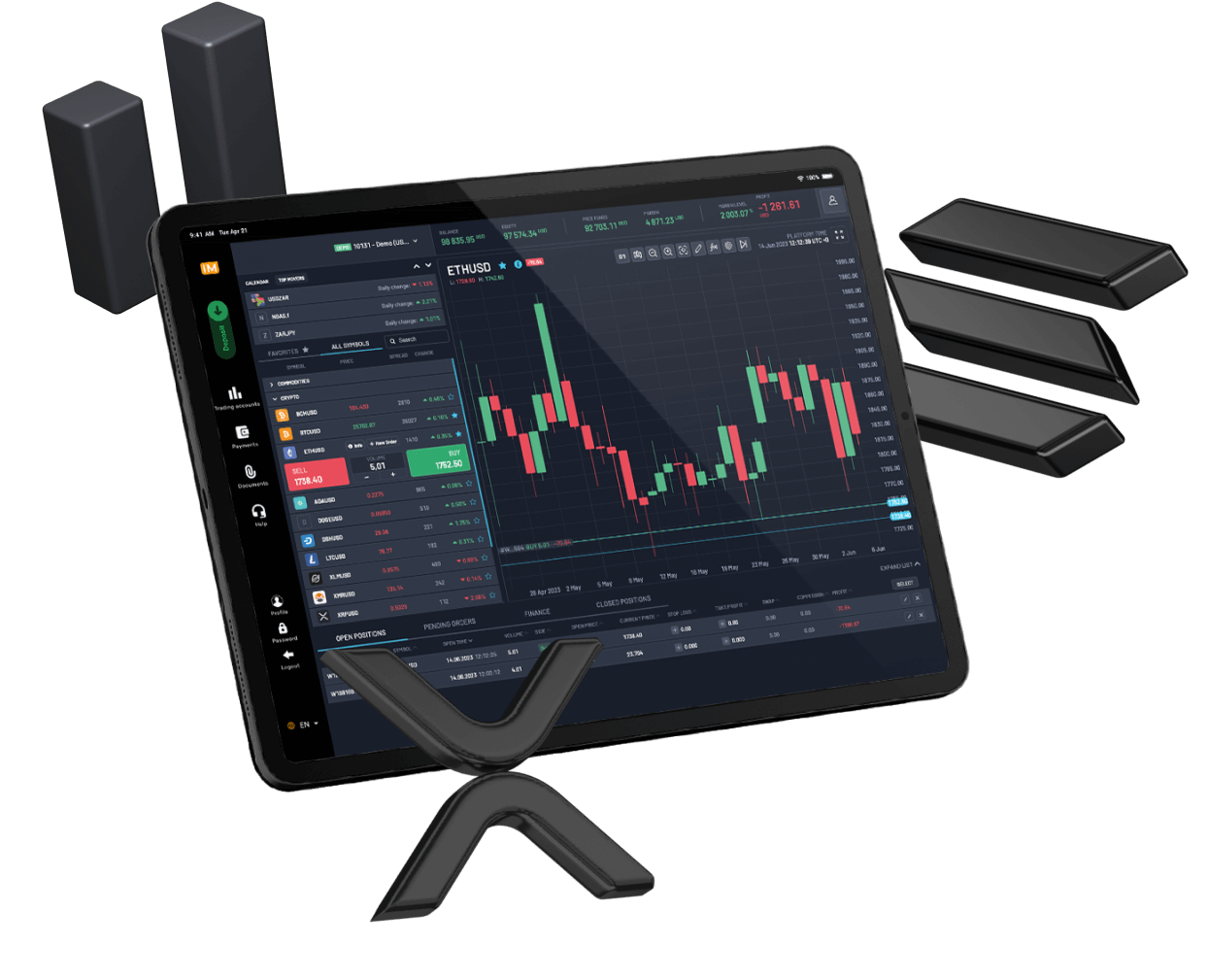
Introduction
Cryptocurrency trading has seen a meteoric rise in popularity over the past decade, becoming a vital component of the modern financial landscape. As digital currencies like Bitcoin, Ethereum, and Ripple gain traction, investors, both novice and experienced, are increasingly drawn to this new form of investment. Understanding cryptocurrency trading is crucial due to its potential for high returns, but it also comes with significant risks.
Current Trends in Cryptocurrency Trading
The cryptocurrency market has grown dramatically, with a market capitalization surpassing $2 trillion as of early 2023. Factors driving this growth include increased institutional adoption, advancements in blockchain technologies, and a growing acceptance of digital currencies as an alternative to traditional finance. In recent months, major financial institutions have begun offering cryptocurrency trading services, legitimising the industry further.
The rise of decentralized finance (DeFi) platforms has also transformed the trading landscape, allowing traders to engage in a variety of financial services without intermediaries. Automated trading bots and artificial intelligence are increasingly being used by traders to execute trades with precision, adapting to market trends in real-time.
Risks and Challenges of Cryptocurrency Trading
Despite the opportunities, trading cryptocurrencies is fraught with challenges. The market is notorious for its volatility—prices can skyrocket or plummet within hours, making it essential for traders to stay informed and prepared for sudden changes. Regulatory uncertainty remains a significant concern, as governments worldwide grapple with how to manage and regulate cryptocurrency trading.
The Future of Cryptocurrency Trading
As cryptocurrency trading continues to evolve, experts predict that regulations will eventually stabilize the market, making it safer for investors. Additionally, the integration of cryptocurrencies into mainstream retail transactions is likely to increase as more businesses accept them as valid payment methods.
Emerging technologies, such as non-fungible tokens (NFTs) and improved blockchain infrastructure, are set to create new trading opportunities. The continued innovation within the crypto space, paired with an increasing public understanding of digital currencies, suggests that cryptocurrency trading will remain a key area of interest in finance.
Conclusion
In conclusion, cryptocurrency trading occupies an essential role in the financial ecosystem today. While it presents various risks, informed trading strategies and developments in regulatory frameworks could pave the way for safer trading environments. As the cryptocurrency landscape continues to grow and evolve, traders must remain agile, informed, and prepared to navigate the opportunities and challenges ahead.