Introduction
The God of War series, developed by Santa Monica Studio and published by Sony Interactive Entertainment, has become a cornerstone of modern gaming since its debut in 2005. Not only has it garnered critical acclaim, but it has also influenced narrative techniques and gameplay mechanics across the industry. The series is a prime example of how the medium can blend storytelling, emotional depth, and engaging combat, making it a significant topic in contemporary gaming discussion.
Overview of the Series
Initially launched on the PlayStation 2, God of War introduced players to Kratos, a former Greek god seeking vengeance against the pantheon that betrayed him. The series quickly became known for its brutal combat, intricate puzzles, and richly detailed environments. The franchise transitioned from Greek mythology to Norse mythology with the 2018 release of God of War (often referred to as “God of War 4”). This shift not only revitalised the series but also expanded its narrative depth, introducing Kratos’s son, Atreus, and exploring themes of fatherhood and redemption.
Recent Developments
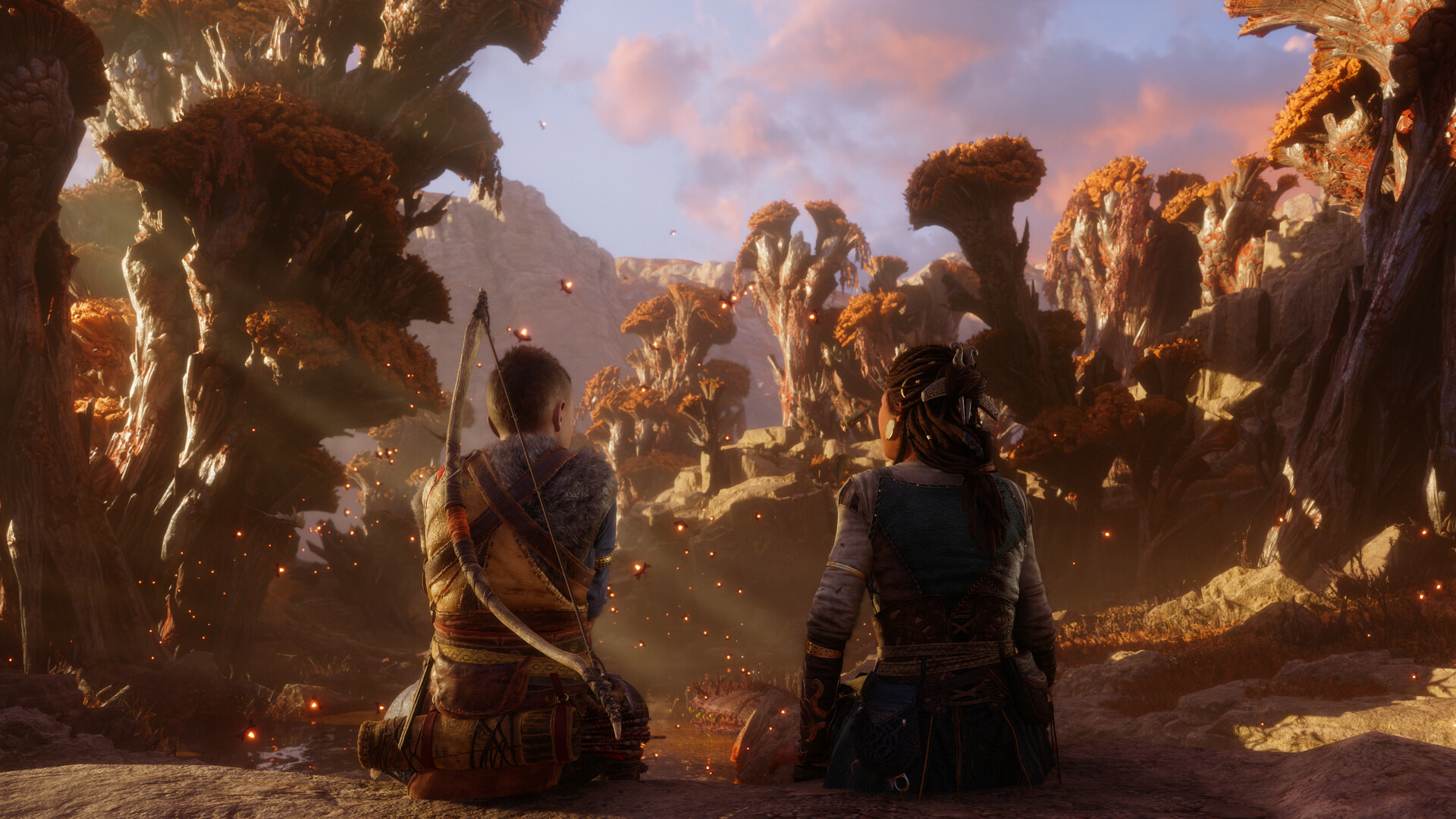
On September 30, 2022, Santa Monica Studio released a sequel titled God of War Ragnarök, which continued the story of Kratos and Atreus as they navigate the complexities of their relationship while facing new threats from Norse gods. The game received high praise from critics and players alike, emphasizing its stunning visuals, intricate storytelling, and refined gameplay mechanics. This release solidified God of War’s status as a leading franchise in the gaming industry, showcasing its ability to evolve and adapt over time.
Impact on Gaming Culture
The God of War series has significantly influenced not just its genre but the wider gaming landscape as well. The game’s combination of cinematic storytelling and gameplay has set a new standard for action-adventure titles. Its success has inspired other developers to invest more in narrative-driven experiences, leading to a richer variety of storytelling methods in video games. Furthermore, the exploration of complex themes such as grief, familial relationships, and morality has allowed games to be viewed as a legitimate form of art.
Conclusion
As the God of War series continues to thrive and evolve, its influence on gaming culture remains undeniable. Its unique blend of epic storytelling and intricate gameplay has not only captured the hearts of millions but has also paved the way for future developers to explore similar themes. Looking ahead, we can expect God of War to continue serving as a benchmark for quality storytelling in video games, ensuring that its legacy will endure for generations to come.