Introduction
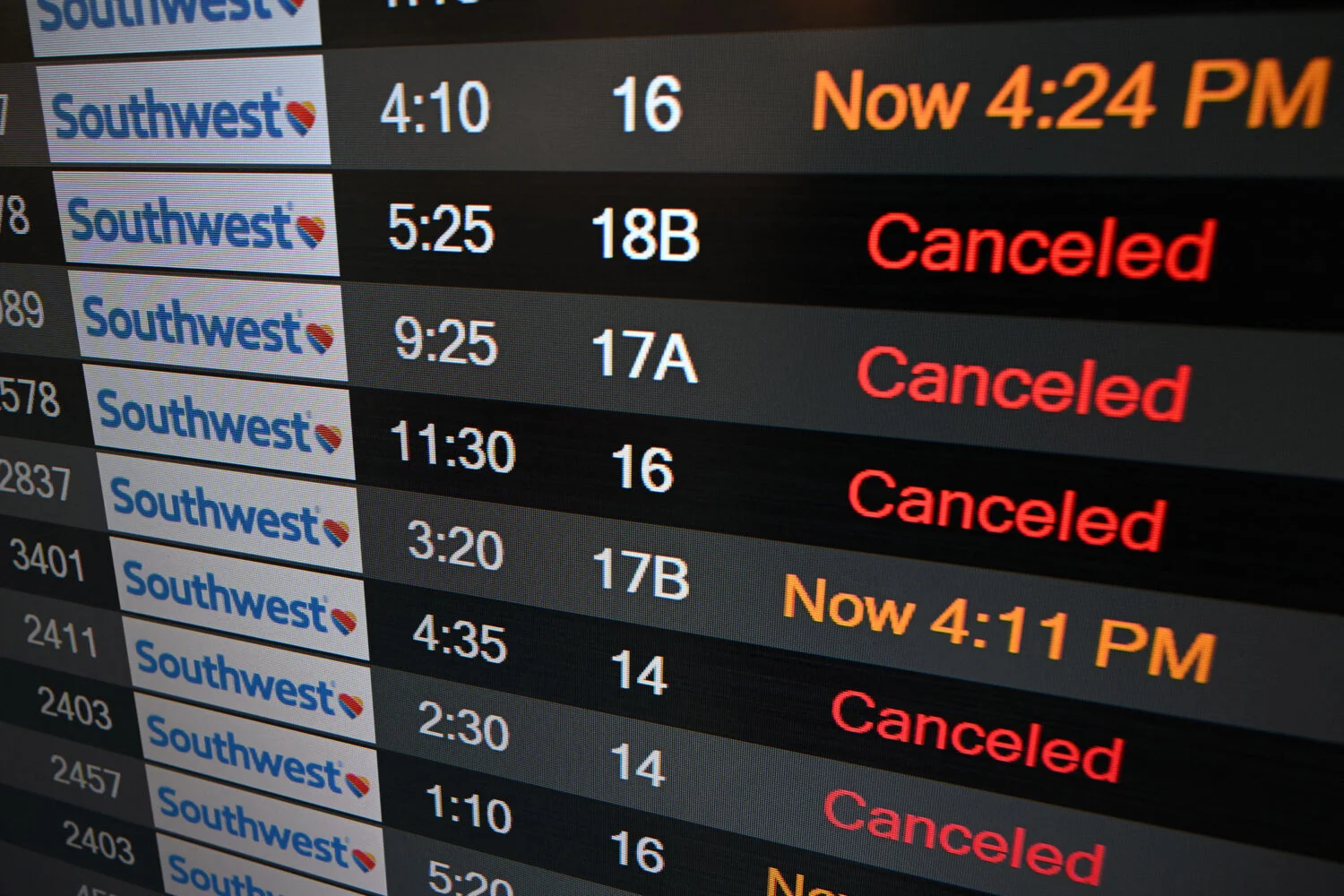
In recent weeks, the European aviation sector has faced significant disruptions, leading to numerous flights being cancelled across the continent. These cancellations have affected thousands of passengers, stirring concerns about travel plans, especially in light of the ongoing recovery from the COVID-19 pandemic. Understandably, this situation has garnered considerable attention as it highlights not only the fragility of the travel industry but also the need for better contingency planning by airlines and regulatory bodies.
The Current Situation
As of early October 2023, reports indicate that major European airlines such as British Airways, Lufthansa, and Air France have had to cancel over 3,000 flights due to various reasons, including staff shortages, adverse weather conditions, and ongoing strikes by airport personnel. Key airports such as Heathrow, Charles de Gaulle, and Frankfurt have been at the forefront of these operational challenges, leading to long queues and frustration among travellers.
The situation has been exacerbated by a series of strikes across multiple EU countries, demanding better pay and working conditions for airport staff and crew members. As airlines battle with the implications of staffing shortages, some have resorted to consolidating flight schedules, further contributing to the number of cancellations.
Impact on Travellers
For many travellers, the cancellations have led to missed connections, disrupted trips, and even financial losses due to non-refundable hotel bookings. The European Consumer Organisation has reported a surge in complaints, indicating that travellers are more frustrated than ever. In response, the affected airlines have implemented customer service measures, including refunds and rebooking options, though many passengers have noted that reaching customer support has proven to be a daunting task.
Future Predictions
Looking ahead, industry experts predict that unless airlines can effectively address staffing challenges and enhance communication with passengers, these issues may persist. The upcoming winter holiday season is a particularly crucial period, during which the demand for air travel traditionally spikes. A failure to adequately prepare for this influx could lead to further cancellations and chaotic travel experiences.
Conclusion
The spate of cancelled flights in Europe serves as a reminder of the complexities involved in modern air travel. As airlines work to optimise their operations and restore consumer confidence, an emphasis on transparency and customer service will be key to easing traveller concerns in the coming months. Passengers are advised to stay updated on their travel plans and be prepared with contingency options as the aviation landscape continues to evolve.