Introduction
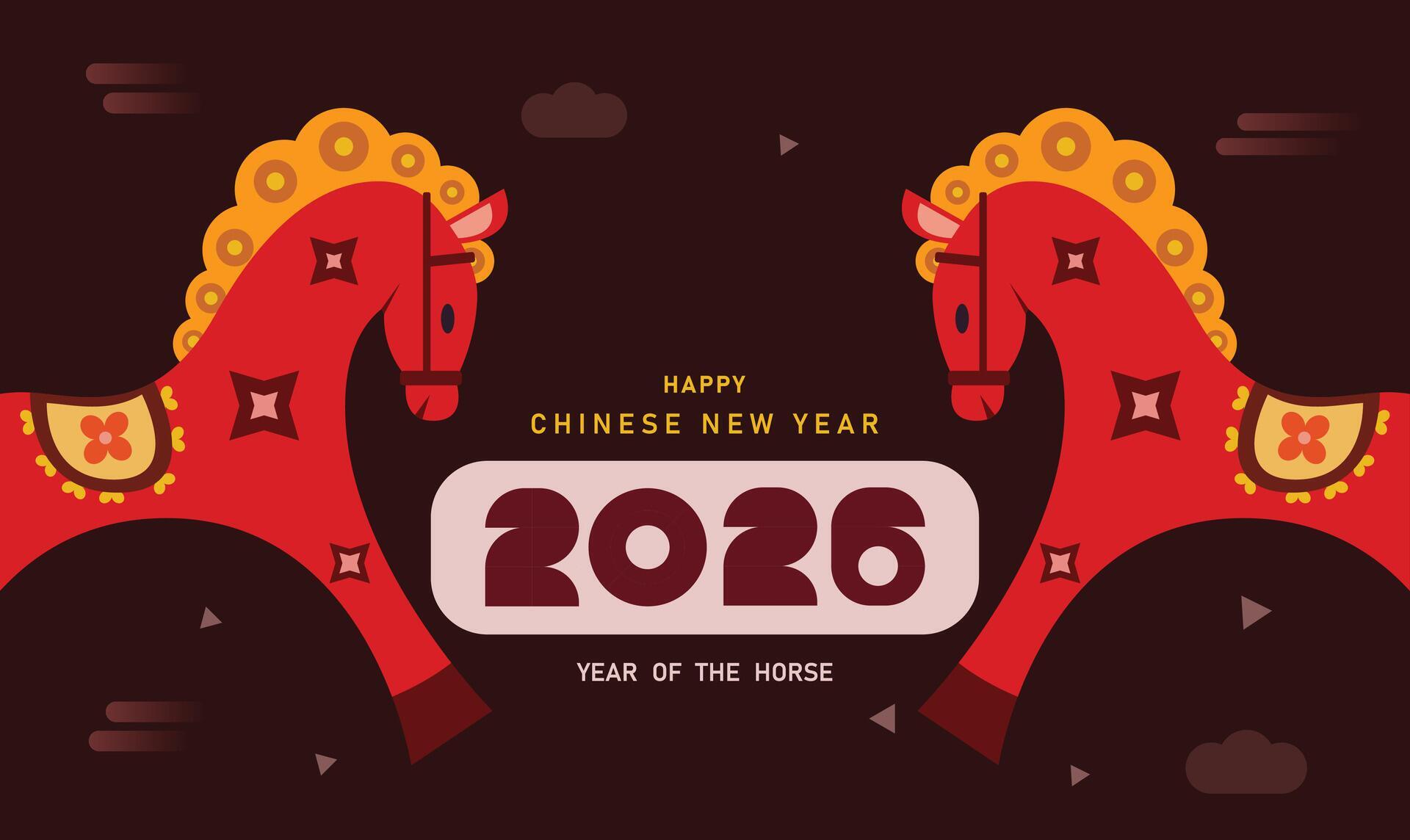
Chinese New Year, also known as Lunar New Year or Spring Festival, is one of the most significant and widely celebrated festivals in China and many other countries with significant Chinese populations. This festival marks the beginning of the new lunar year and is steeped in rich traditions, customs, and activities. In 2026, Chinese New Year falls on February 17, marking the start of the Year of the Fire Horse. Understanding the timing and significance of this celebration is crucial for those participating in the festivities or interested in cultural practices.
Date and Significance
The date of Chinese New Year varies each year but generally falls between January 21 and February 20. This variability is based on the lunar calendar, as opposed to the Gregorian calendar. The Year of the Fire Horse specifically occurs every 60 years, making 2026 a particularly notable year. In Chinese culture, the horse is associated with characteristics such as strength, perseverance, and ambition, and the element of fire adds additional energetic and passionate traits to this year’s personality.
Festivities and Traditions
The celebrations for Chinese New Year typically last for 15 days, culminating in the Lantern Festival. It is a time for family reunions, feasting, and cultural festivities. Preparations for the new year may begin weeks in advance, including cleaning the home to ward off bad luck, decorating with red lanterns, and preparing special foods. Families pay respect to their ancestors, often making offerings at altars. The opening day of the new year sees fireworks, lion dances, and the giving of ‘red envelopes’ (hongbao) filled with money, symbolising good fortune.
Global Celebrations
Chinese New Year is not only celebrated in China but also across the world, including in countries such as Singapore, Malaysia, Indonesia, and Taiwan, and even in Western countries where there is a significant Chinese diaspora. Each region may implement unique traditions and interpretations of the festival, but the core values of family, renewal, and community remain central to the celebrations.
Conclusion
As Chinese New Year 2026 approaches, it is an excellent opportunity for both those within Chinese communities and those outside to engage with a rich cultural heritage. The festival serves as a reminder of the importance of family ties and cultural traditions. With preparations well underway for the Year of the Fire Horse, it promises to be a vibrant season filled with hope and excitement for prosperity and happiness in the coming year.