Introduction to Wuthering Heights
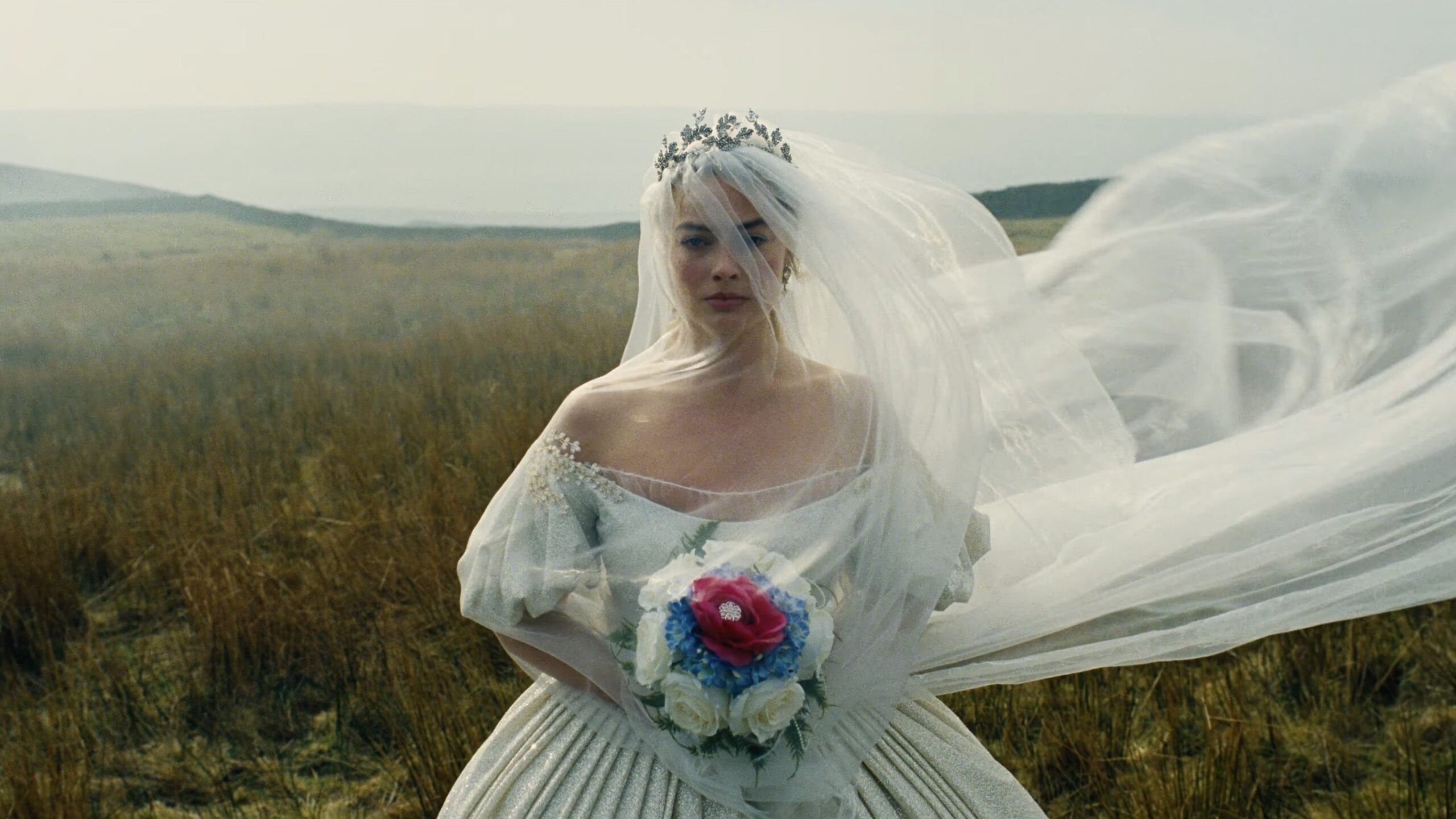
Wuthering Heights, the iconic 1847 novel by Emily Brontë, has not only captivated readers for generations but has also inspired numerous film adaptations. This gothic tale of love, revenge, and the supernatural highlights the complex relationships between its characters and provides a profound commentary on society and class. Each film adaptation offers a unique interpretation of the source material, making them significant for both film enthusiasts and literature lovers alike.
Notable Film Adaptations
The first cinematic rendition of Wuthering Heights came in 1920, directed by A.V. Bramble, but it was the 1939 version starring Laurence Olivier and Merle Oberon that became a hallmark of classic cinema. This adaptation is celebrated for its atmospheric cinematography and the passionate performances of its leads, which established a standard for future portrayals of Heathcliff and Catherine.
In the years that followed, several filmmakers attempted to retell Brontë’s story, each bringing their distinct vision. The 1970 version, featuring Timothy Dalton, delves deeper into the psychodynamics of its characters, while the 1992 adaptation starring Ralph Fiennes and Juliette Binoche offered a lavish portrayal, showcasing stunning landscapes and costume design that contributed to its romantic appeal.
More recently, the 2011 adaptation directed by Andrea Arnold received praise for its raw and gritty interpretation, incorporating modern filmmaking techniques and a focus on the emotional complexity of the characters.
Impact on Cinema and Culture
The various adaptations of Wuthering Heights demonstrate not only the timelessness of Brontë’s themes but also how different eras influence the storytelling process. Each remake reflects the prevailing social mores, technological advancements, and artistic trends of its time. Filmmakers continuously discover new angles to approach the text, whether through the lens of historical accuracy or contemporary relevance.
Conclusion
Wuthering Heights remains a formidable narrative in both literature and film, serving as a testament to Emily Brontë’s enduring legacy. As more adaptations are developed, the fascination with the story continues to evolve, appealing to new generations of audiences. The ongoing reinterpretation of Wuthering Heights in cinema invites viewers to reflect on its complex themes and engages them in an intricate dialogue about love, passion, and the societal constructs that bind us.