Introduction
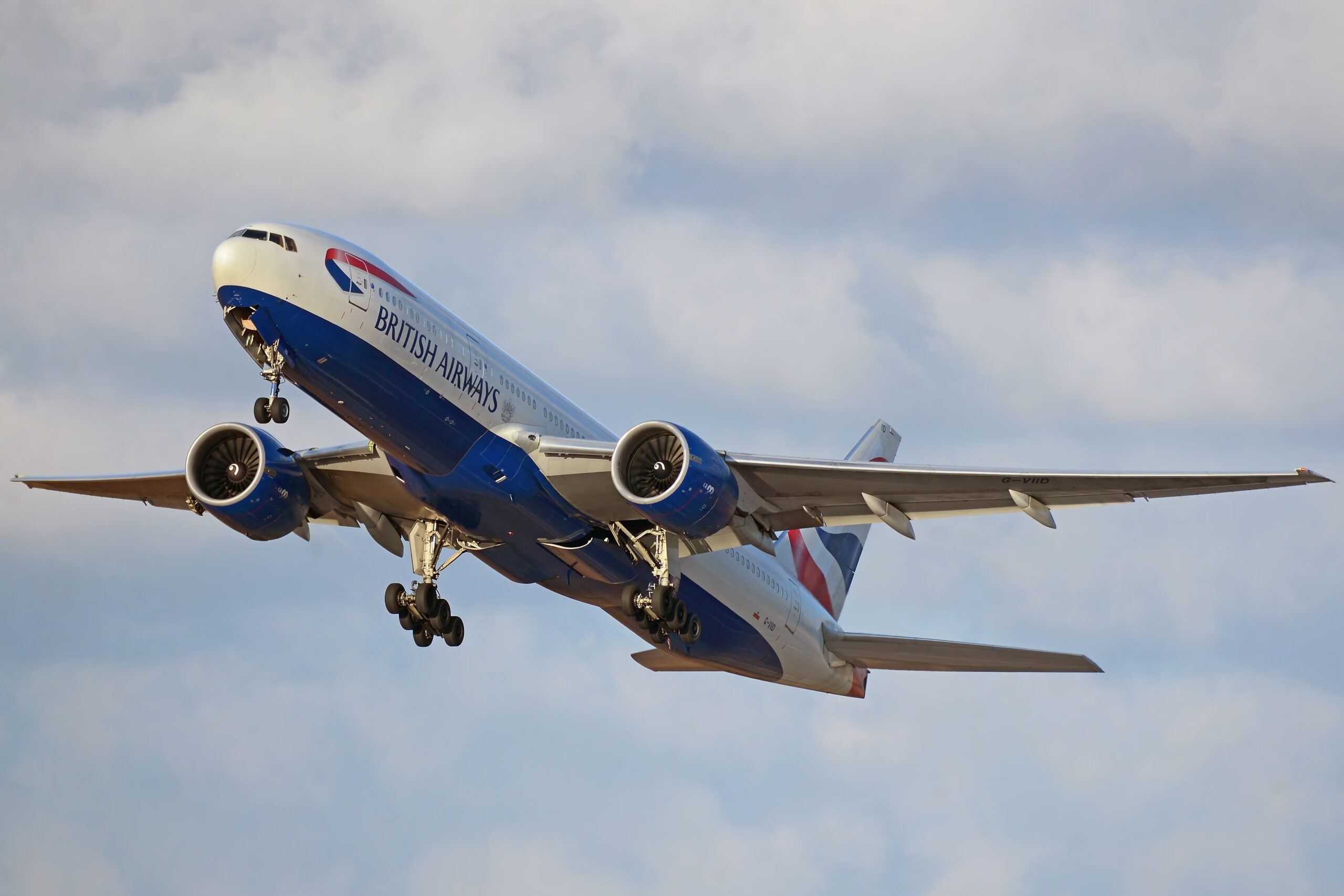
British Airways (BA), the flag carrier airline of the United Kingdom, has been a pivotal player in global air travel. With a history spanning over a century, BA has become synonymous with British air transport. The airline’s operations are crucial not just for domestic travel but also for international connectivity, significantly impacting the UK’s economy and tourism sector. Understanding the current developments within the airline provides insights into the broader landscape of the aviation industry post-COVID-19.
Current Developments
In recent months, British Airways has been focusing on recovery and growth as travel restrictions continue to ease. The company reported robust summer demand in 2023, with a resurgence in both leisure and business travel. According to its financial reports, BA experienced a 215% increase in passenger numbers compared to the previous year, indicating a strong rebound from the pandemic.
Furthermore, British Airways has begun to modernise its fleet to improve eco-efficiency. The airline has made significant investments in new technologies, including acquiring Airbus A320neo aircraft, which promise reduced fuel consumption and lower carbon emissions. This shift aligns with the airline’s commitment to achieving net-zero carbon emissions by 2050.
In September 2023, BA announced the introduction of additional transatlantic routes, aiming to tap into the evolving travel demand between the UK and the US. This strategic expansion includes direct flights to previously unserved cities, enhancing passengers’ options and boosting competitiveness.
Operational Challenges
Despite promising growth, BA has faced several operational challenges. Staffing shortages and strikes over wage disputes have disrupted schedules throughout 2023, leading to flight cancellations and long wait times for passengers. The airline has been working actively to resolve these issues, offering bonuses and negotiating salary increases to retain and recruit employees.
Conclusion
As British Airways moves forward, the focus remains on balancing operational efficiency and customer satisfaction while navigating the challenges posed by a volatile travel environment. With ongoing fleet upgrades and expansion of international routes, the airline is positioning itself for future growth. Analysts suggest that if BA effectively addresses staffing issues and continues adapting to new market dynamics, it is likely to regain its stature as one of the leading players in global aviation. For travellers and stakeholders alike, the evolution of British Airways will be significant to watch, as it reveals not just the airline’s direction but broader trends within the airline industry as a whole.