Introduction
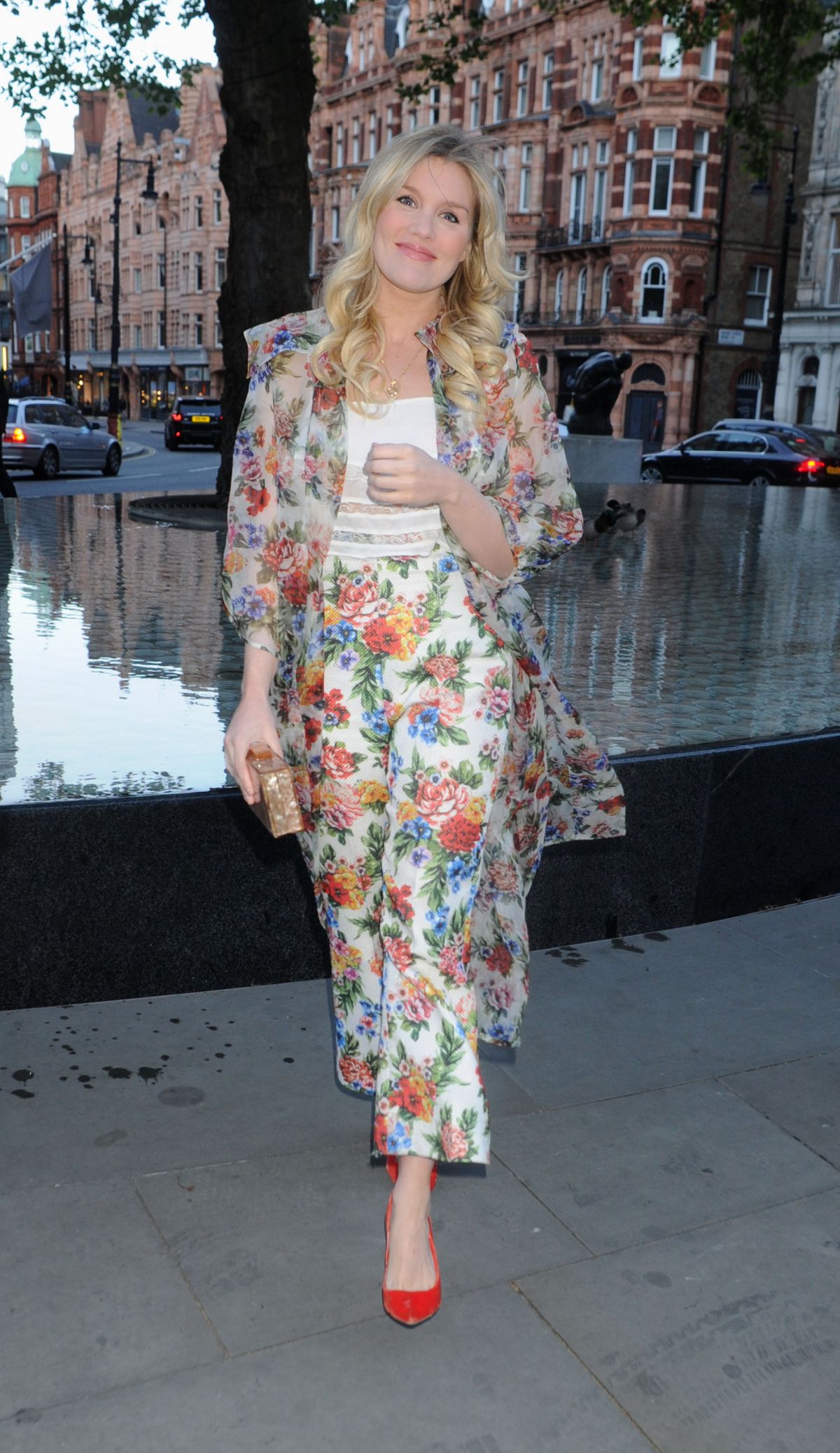
Emerald Fennell has quickly become a notable figure in the film and television industry, captivating audiences with her creative vision and storytelling prowess. With multiple accolades to her name, her rise to fame is indicative of the changing landscape in entertainment, where new voices and perspectives are increasingly being celebrated.
Background and Career
Emerald Fennell, born in 1985 in London, initially made her mark as an accomplished actress. Notably, she portrayed Camilla Parker Bowles in the acclaimed Netflix series The Crown. However, her talents extend far beyond acting. In 2020, Fennell made her directorial debut with the thought-provoking film Promising Young Woman, which earned her significant acclaim. The film was nominated for five Academy Awards, with Fennell winning the Oscar for Best Original Screenplay, making her the first woman to win that award in 14 years.
Recent Developments
In recent months, Fennell has continued to make headlines with her innovative work. In addition to her successful film projects, she has been showrunner for the celebrated television series Killing Eve, where her keen sense of narrative complexity has been evident. The series, known for its distinct character development and thrilling twists, has cemented her reputation as a multifaceted talent within the industry.
Moreover, Fennell’s second feature film, Saltburn, which is set to be released later this year, has already created buzz at various film festivals. Starring a collection of A-list actors, the film promises to showcase Fennell’s unique vision and skill, further establishing her as a leading voice in contemporary cinema. The anticipation surrounding Saltburn highlights not only Fennell’s growing fanbase but also the industry’s hunger for original, female-driven narratives.
Conclusion
Emerald Fennell’s rapid ascension in the film industry serves as an inspiration for many emerging artists and storytellers. Her unique blend of talent, creativity, and perspective is critical to reshaping the cultural landscape of film and television. As Fennell continues to break boundaries and challenge narratives, audiences and industry professionals alike are eager to see what she will accomplish next. Her story reinforces the importance of diverse voices in media, and it is anticipated that her future projects will continue to resonate with viewers and critics alike.