Introduction
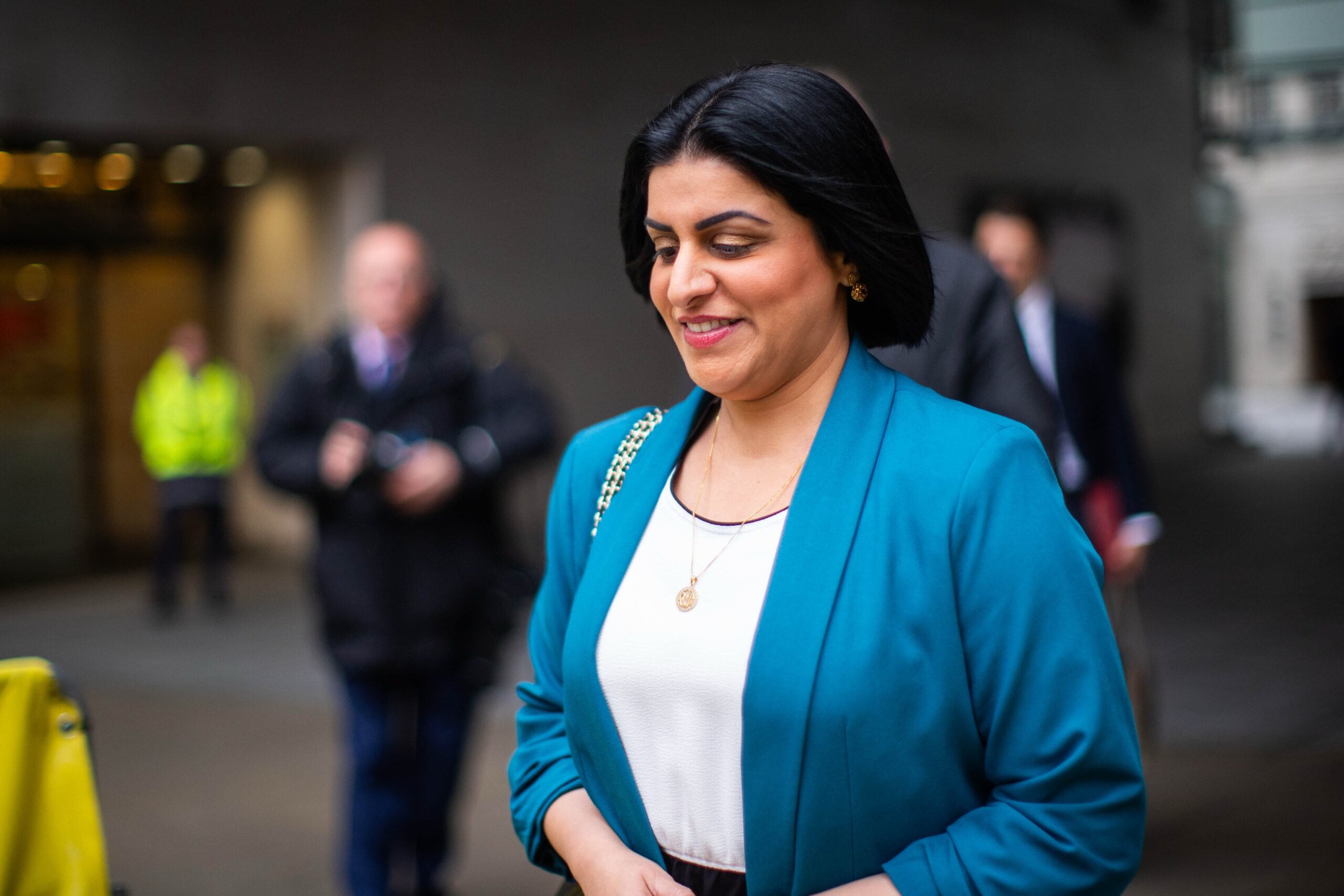
Immigration has consistently been a pivotal topic in UK politics, shaping economic, social, and cultural landscapes. Recently, Labour MP Shabana Mahmood has emerged as a prominent advocate for immigration reforms, seeking to address systemic issues facing immigrants in the UK. With rising discussions around citizenship pathways and the treatment of asylum seekers, Mahmood’s proposals are timely and significant, aiming to create a more equitable immigration system.
Current Landscape of Immigration in the UK
The UK’s immigration policies have come under intense scrutiny in recent years. Following the Brexit vote, many immigrants faced uncertainty regarding their status, with the Nationality and Borders Bill aiming to alter how asylum seekers are processed. Critics argue that current policies often lead to the marginalisation of vulnerable groups, making comprehensive reform essential. Mahmood has been vocal about the need for humane policies that prioritise individuals over bureaucratic hurdles.
Shabana Mahmood’s Proposed Changes
Mahmood’s proposals for immigration reform focus on three key areas: improving the asylum process, creating clear pathways for citizenship, and addressing the needs of undocumented migrants. She emphasises the importance of a compassionate approach to asylum seekers, advocating for a system that ensures fair hearings and timely decisions. Furthermore, her push for citizenship reform suggests streamlining the application process, making it more accessible, especially for those who have been long-term residents.
Recent Legislative Efforts
In line with her advocacy, Mahmood has been actively participating in parliamentary discussions and has introduced a series of motions aimed at highlighting the plights faced by immigrants. Her efforts have garnered support from various quarters, including human rights groups and her constituents, leading to heightened visibility of her proposed reforms. In the latest parliamentary session, she presented statistics demonstrating the positive socio-economic impacts of a well-managed immigration system.
Conclusion
Shabana Mahmood’s commitment to immigration reform resonates deeply in a society grappling with complex demographic changes and a rise in anti-immigrant sentiment. As these discussions unfold, her voice is crucial in advocating for a balanced approach that respects human rights while recognising the economic contributions of immigrants. The implications of her reforms could pave the way for a more inclusive society, and as the Labour Party positions itself for the next election, her proposals may shape future immigration policy.