Introduction to Antwerp
Antwerp, Belgium’s second-largest city, is a vibrant hub known for its rich cultural heritage and significant role in global trade. With a history dating back to the Middle Ages, Antwerp has evolved into a pivotal economic centre, especially in the diamond trade, port activities, and fashion industries. Understanding Antwerp’s ongoing development is vital for grasping its influence on both local and international stages.
Cultural Significance
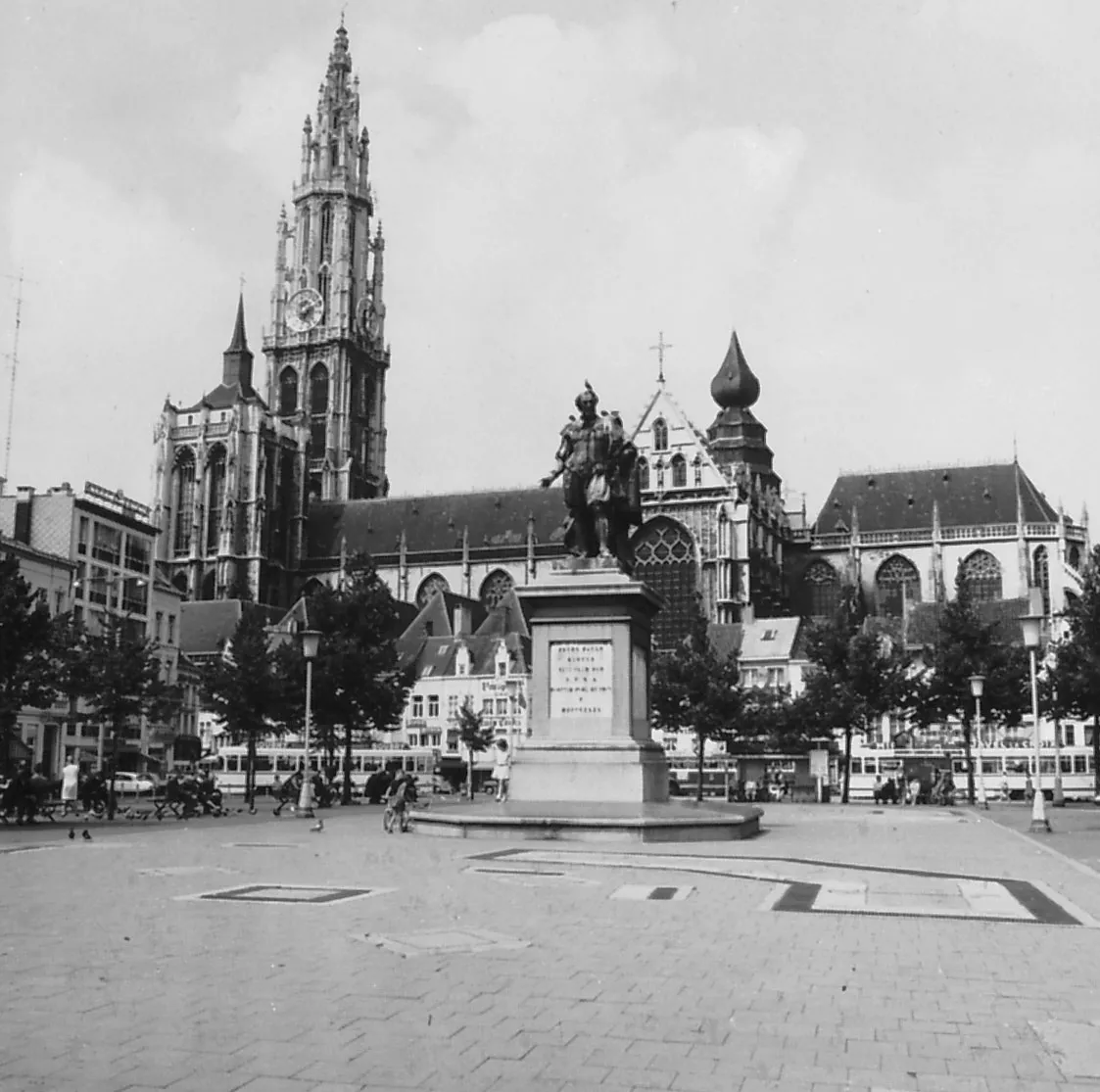
Antwerp’s culture is a tapestry of historical influences, reflected in its architecture, arts, and local customs. The city is home to the magnificent Cathedral of Our Lady, a UNESCO World Heritage site boasting stunning works by the Baroque painter Peter Paul Rubens. Beyond architecture, Antwerp has a thriving arts scene, hosting numerous museums and galleries that celebrate both classical and contemporary works. Annual events like the Antwerp Fashion Week highlight the city’s reputation as a fashion capital, showcasing local designers and attracting international attention.
Economic Landscape
Economically, Antwerp’s position as a key player in the global diamond trade is noteworthy. The Antwerp Diamond District is one of the world’s largest centers for diamond trading, with a significant percentage of the globe’s diamonds passing through its market. Additionally, the Port of Antwerp, one of the busiest in Europe, serves as a critical transit point for goods and services, linking Europe to various economies around the world. In light of ongoing globalisation, Antwerp’s strategic location and infrastructure bolster its economic relevance.
Recent Developments
Recently, Antwerp has focused on sustainable urban development, aiming to balance economic growth with environmental responsibility. Initiatives promoting renewable energy, green spaces, and eco-friendly transportation systems are becoming increasingly significant. The city is also investing in digital innovation and technology, preparing for a knowledge-based economy that could redefine its workforce for future generations.
Conclusion
In conclusion, Antwerp’s cultural heritage and economic activities play an essential role in shaping its identity as a prominent city in Belgium and Europe. Its blend of history and modernity, along with ongoing developments in sustainability and technology, position Antwerp as a model for other cities striving for growth while cherishing their roots. For readers interested in culture, economy, and urban development, Antwerp offers profound insights into the synergy of tradition and innovation.