Introduction
The Nipah virus, a zoonotic pathogen first identified in 1999, has emerged as a significant public health concern following severe outbreaks in South Asia. Recent cases in India have raised alarms about the potential for wider spread and the virus’s high mortality rate, making this topic increasingly important for global health professionals and policymakers.
Recent Outbreak Details
In September 2023, the Indian state of Kerala reported a resurgence of Nipah virus cases, following a cluster of infections that led to multiple fatalities. Local health authorities confirmed that the outbreak originated in the Kozhikode district, where efforts are underway to isolate cases and trace contacts. As of October 2023, authorities have reported at least 15 confirmed cases and 4 deaths linked to the virus.
The Nipah virus is transmitted from animals, particularly bats and pigs, to humans, leading to encephalitis and severe respiratory illness in affected individuals. The World Health Organization (WHO) has classified Nipah virus as a priority pathogen given its potential to cause outbreaks and its high fatality rates, reportedly ranging from 40% to 75% in humans.
Public Health Response
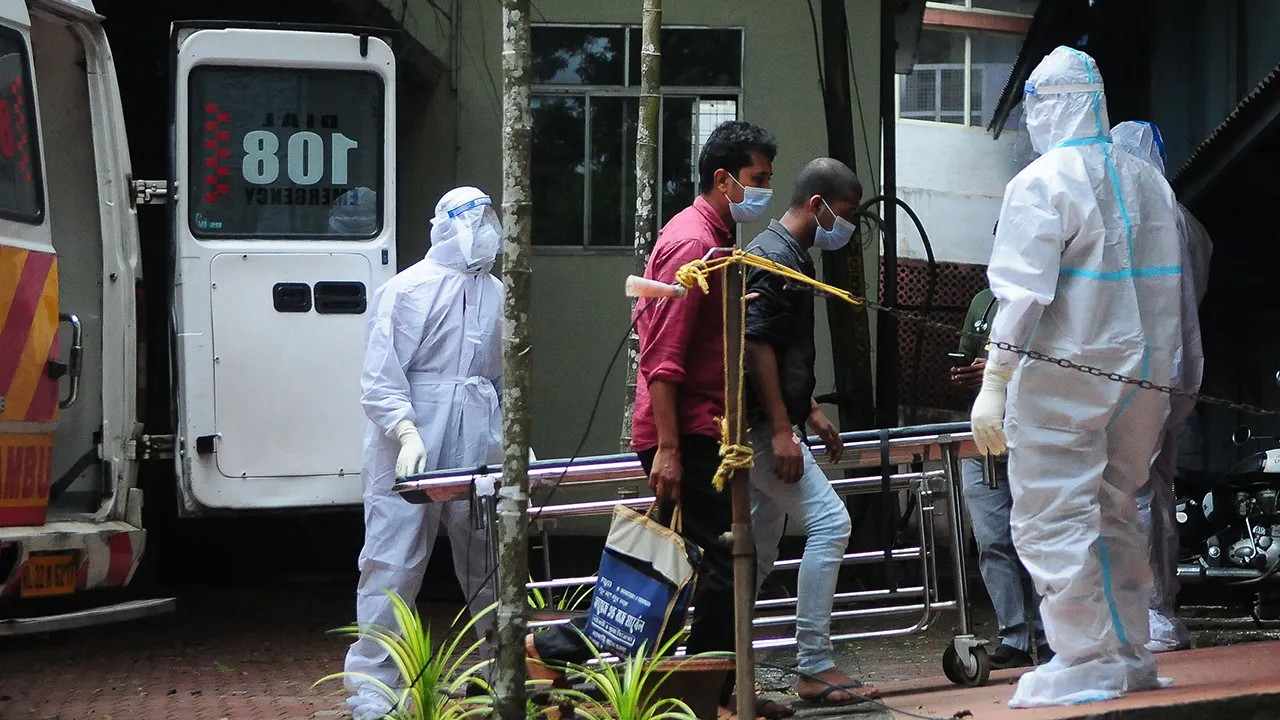
In response to the outbreak, the Indian government, along with international health agencies, is enhancing surveillance and public health initiatives. Contact tracing and testing protocols are being rapidly expanded, and the public is being urged to practice caution, especially in areas where bats are known to roost. Quarantine measures have been implemented for those who have been in contact with confirmed cases.
Healthcare professionals are being trained to identify Nipah virus symptoms early, which include fever, headache, dizziness, and confusion, followed by the possibility of brain swelling. Vaccination efforts for animal populations are also being considered as part of a long-term strategy to control future outbreaks.
Conclusion
The recent Nipah virus outbreak serves as a critical reminder of the persistent threats posed by zoonotic diseases. As transmission continues to be monitored, experts warn that the risk of future outbreaks remains high if proactive measures are not taken. Global cooperation in research and public health response will be vital as countries contend with the implications of emerging infectious diseases. Awareness and preparedness must be prioritized to mitigate the impact of the Nipah virus and protect vulnerable populations.