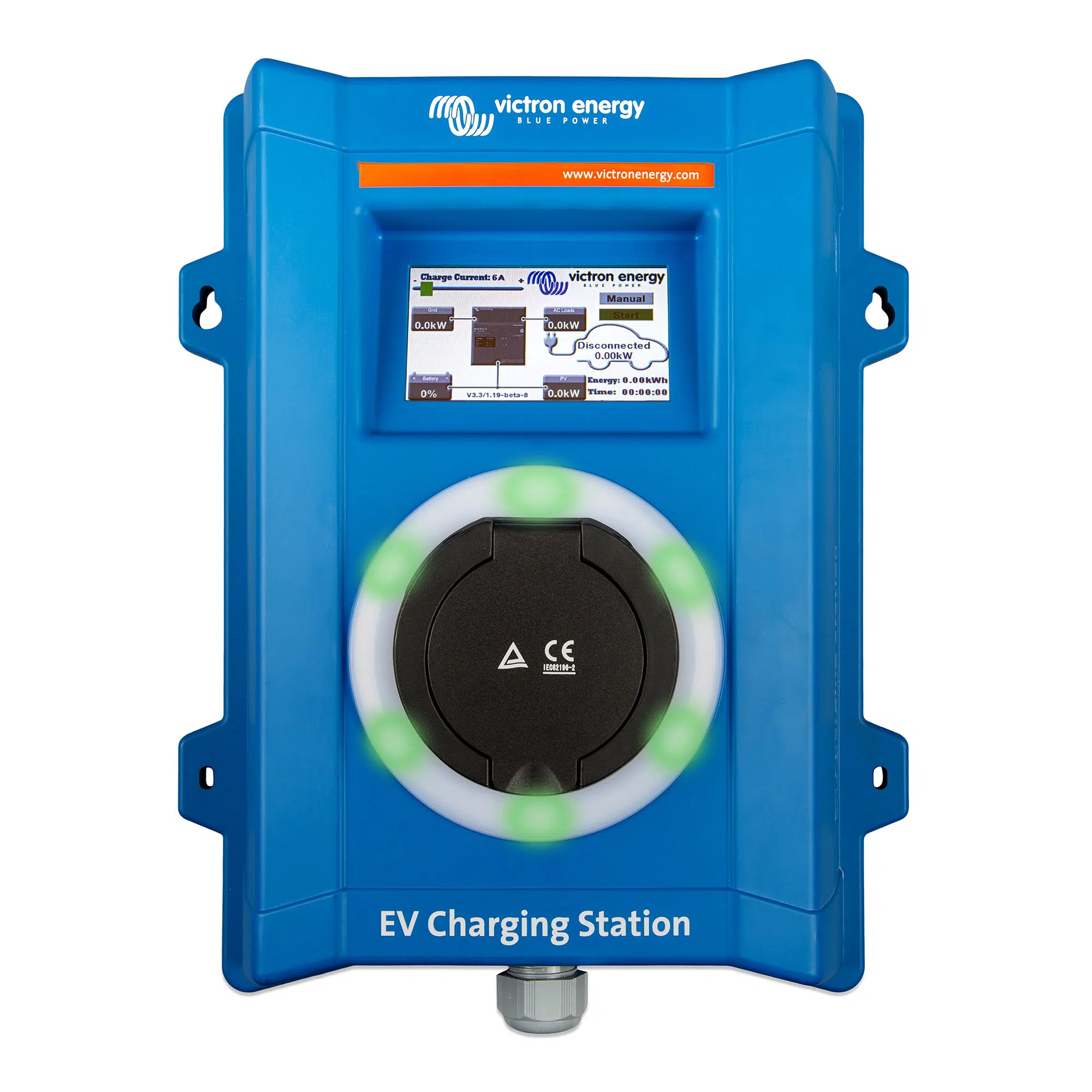
The Growing Demand for EV Charging Stations
As awareness of climate change and the need for sustainable transport solutions escalates, the uptake of electric vehicles (EVs) in the UK has soared. The government aims to ban the sale of new petrol and diesel cars by 2030, resulting in a dramatic increase in demand for EV charging stations. Currently, the UK has over 30,000 public charging points and this number continues to grow, reflecting the importance of robust charging infrastructure in facilitating the switch to electric mobility.
Recent Developments in EV Charging Infrastructure
In recent months, several initiatives have been announced to enhance the EV charging network across the UK. In October 2023, the UK government unveiled plans to invest £1.3 billion into expanding charging infrastructure, which includes the introduction of rapid chargers at more locations across the country. This move aims to alleviate ‘range anxiety,’ the fear that EV drivers may run out of power without a charging point nearby.
Moreover, partnerships between private companies and local government councils have led to the installation of charging stations at various sites including shopping centres, petrol stations and car parks. By increasing the accessibility and convenience of charging points, the authorities are working to make EV ownership more appealing.
Challenges Facing EV Charging Stations
Despite the progress, hurdles remain in the path of widespread adoption of EV charging infrastructure. A significant issue is the disparity in the distribution of charging stations across urban and rural areas. According to recent surveys, while cities like London benefit from a dense network of chargers, remote areas often lack sufficient coverage. Furthermore, the interoperability of charging networks can complicate the user experience, as not all chargers accept the same payment methods or require different membership cards.
The Future of EV Charging Stations
Looking ahead, experts predict that as more electric vehicles hit the roads, the demand for EV charging stations will continue to surge. Innovative solutions such as solar-powered charging stations and wireless charging technologies are on the horizon. Data from industry analysts also suggests that technological improvements in battery capacity and charging speeds may further enhance user convenience and satisfaction.
Conclusion
The establishment and expansion of EV charging stations are pivotal in the UK’s shift towards electric mobility. As government policies continue to align with sustainability goals and public interest in electric vehicles rises, investments in charging infrastructure are essential. For potential EV owners, the growing network of charging points represents hope for accessible and efficient transport solutions in the near future.