Introduction
Polestar, the Swedish electric performance car brand, has emerged as a significant player in the automotive industry, particularly amidst the growing demand for sustainable transportation solutions. As part of the Geely and Volvo combination, Polestar represents a forward-thinking approach to electric vehicles (EVs) that prioritises both performance and environmental responsibility. With targets set to electrify the automotive landscape even further, understanding Polestar’s impact and relevance in this evolving sector is essential for consumers and investors alike.
The Rise of Polestar
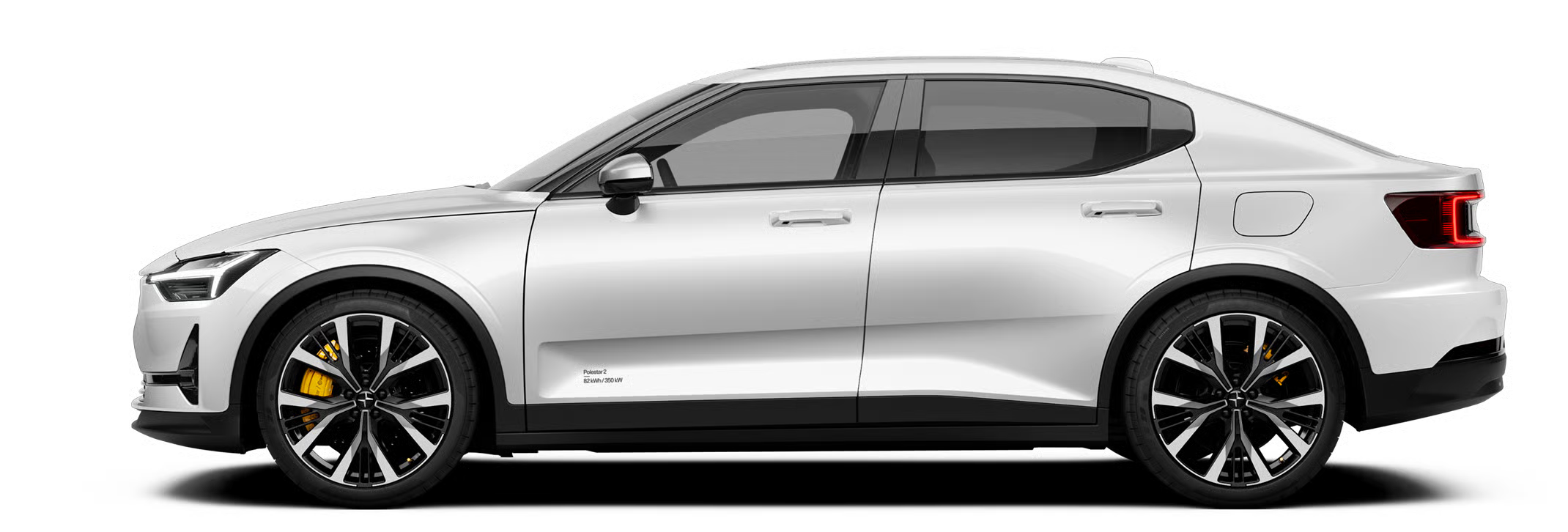
Since its establishment in 2017, Polestar has focused on creating high-performance electric vehicles that are environmentally friendly. The brand’s flagship model, the Polestar 2, has gained significant traction, recognised for its impressive design, cutting-edge technology, and sustainable production processes. In 2023, Polestar announced plans to expand its lineup, with the introduction of new models including the Polestar 3—an electric SUV aimed at competing with Tesla’s Model Y and other luxury SUV offerings.
Innovative Technology and Sustainability
Polestar is dedicated to pushing the boundaries of automotive innovation. The brand has prioritised the integration of advanced AI-driven technology within its vehicles, enhancing user experience and safety features. The latest models feature a sophisticated infotainment system powered by Google, integrating applications seamlessly for efficiency and ease of use.
In addition, Polestar’s commitment to sustainability is evident in its production practices. The company aims to become climate positive by 2030, meaning it will remove more carbon than it emits throughout the product lifecycle. Polestar’s manufacturing processes use renewable energy and recycled materials, aligning with a growing consumer demand for environmentally friendly products.
Market Performance and Future Prospects
Today, Polestar is listed on the Nasdaq under the ticker PSNY, which has attracted significant investment interest. The company has reported steady growth in sales, with a goal to reach 290,000 units sold annually by 2025. As governments worldwide push for stricter emission regulations, Polestar is well-positioned to capture market share in the expanding electric vehicle sector.
Conclusion
Polestar stands at the forefront of the electric vehicle revolution, combining luxury, performance, and sustainability in a way that appeals to the modern consumer. As it continues to expand its offerings and adapt to changing market demands, Polestar is likely to remain an influential force in the automotive industry. For consumers considering their next vehicle and investors looking at viable future prospects, Polestar presents a compelling case in the growing landscape of electric mobility.