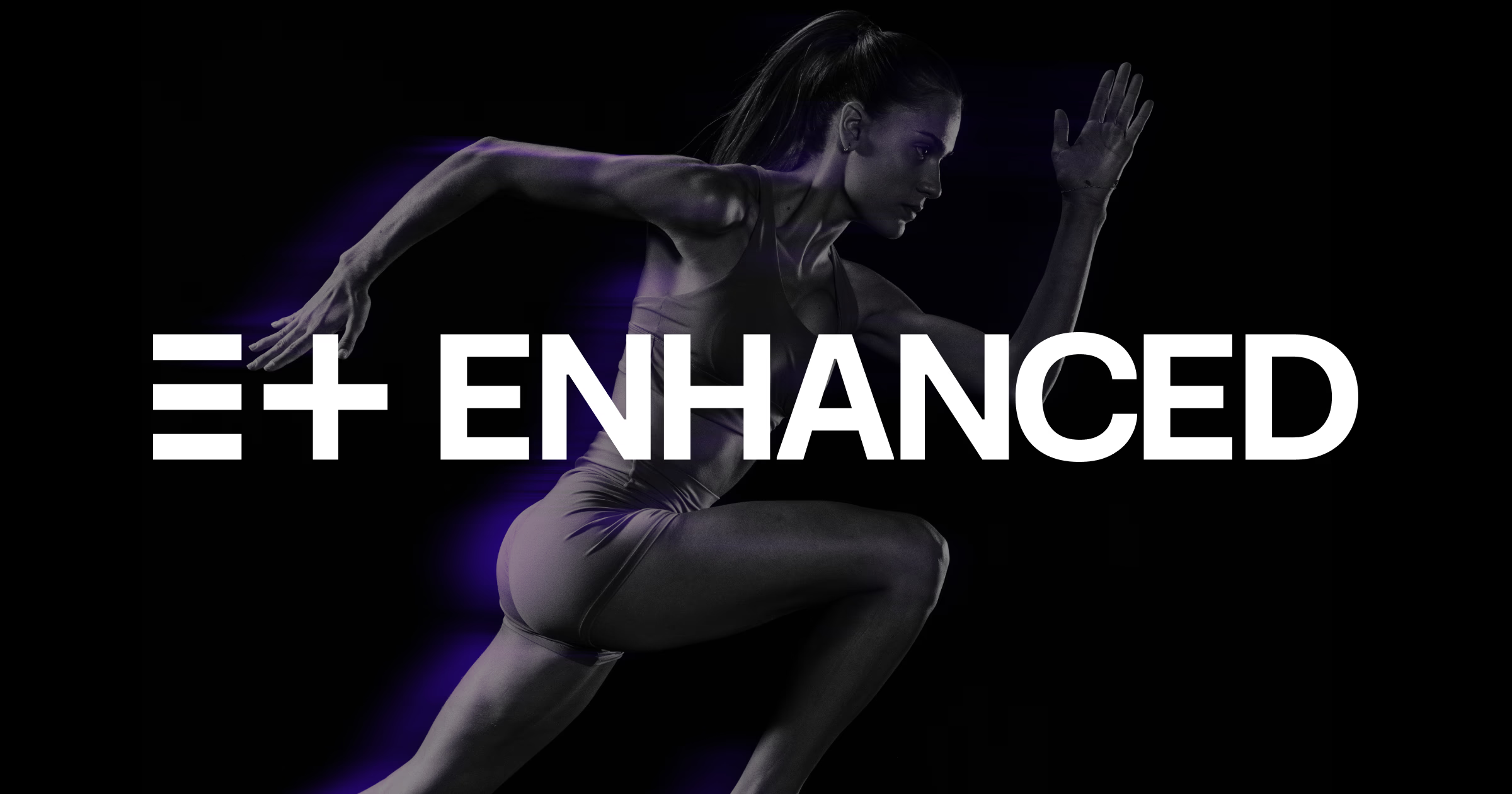
Introduction to Enhanced Games
The concept of Enhanced Games has gained significant traction in recent years as advancements in technology intersect with traditional sports. These games, integrating advanced methodologies and enhancements, aim to redefine the limits of human performance. With an increasing focus on health, technology, and competition, Enhanced Games are poised to revolutionise the athletic landscape.
Recent Developments in Enhanced Games
In 2023, the Enhanced Games movement has seen substantial progress following a successful inaugural event held in Los Angeles last year, where athletes showcased their capabilities using cutting-edge enhancements. This year, the games are anticipated to expand globally, offering a platform for both traditional athletes and those equipped with enhancements to compete together, pushing the boundaries of what is considered possible in sports.
The organizing body has announced that new technologies, including bioengineering and artificial intelligence, will play a central role at the upcoming events. Athletes will have access to enhanced wearables, enabling real-time data analysis, and optimising their performance metrics to achieve their limit-breaking potential. These advancements not only aim to heighten competition but also to create a safer environment for participants.
Public and Professional Response
The response to Enhanced Games has been mixed. Advocates argue that these games could open a new frontier in athletics, promoting accessibility and inclusion for a wider range of participants, including those with disabilities. Critics, on the other hand, express concerns over the ethical implications and potential health risks associated with using enhancements, even if they are regulated. Debates continue in sports circles and among policymakers about how to standardise and legitimise these new competitions.
The Future of Enhanced Games
As the Enhanced Games movement progresses, experts predict that they may become a mainstream alternative to traditional sporting events. The expected rise in participation rates could lead to enhanced athlete sponsorship opportunities, increased viewership, and overall growth in the sports industry. Furthermore, it is envisaged that educational programs will emerge to better inform aspiring athletes about safe and ethical enhancement practices.
Conclusion
In summary, Enhanced Games herald a new chapter in the world of sports, where technology and human capability converge. As these games evolve and expand, they may redefine athletic performances and spectatorship, prompting vital discussions about the future of competition. The coming years will be crucial in determining how Enhanced Games are perceived, how they integrate with existing sporting traditions, and what this means for future athletes.