Introduction
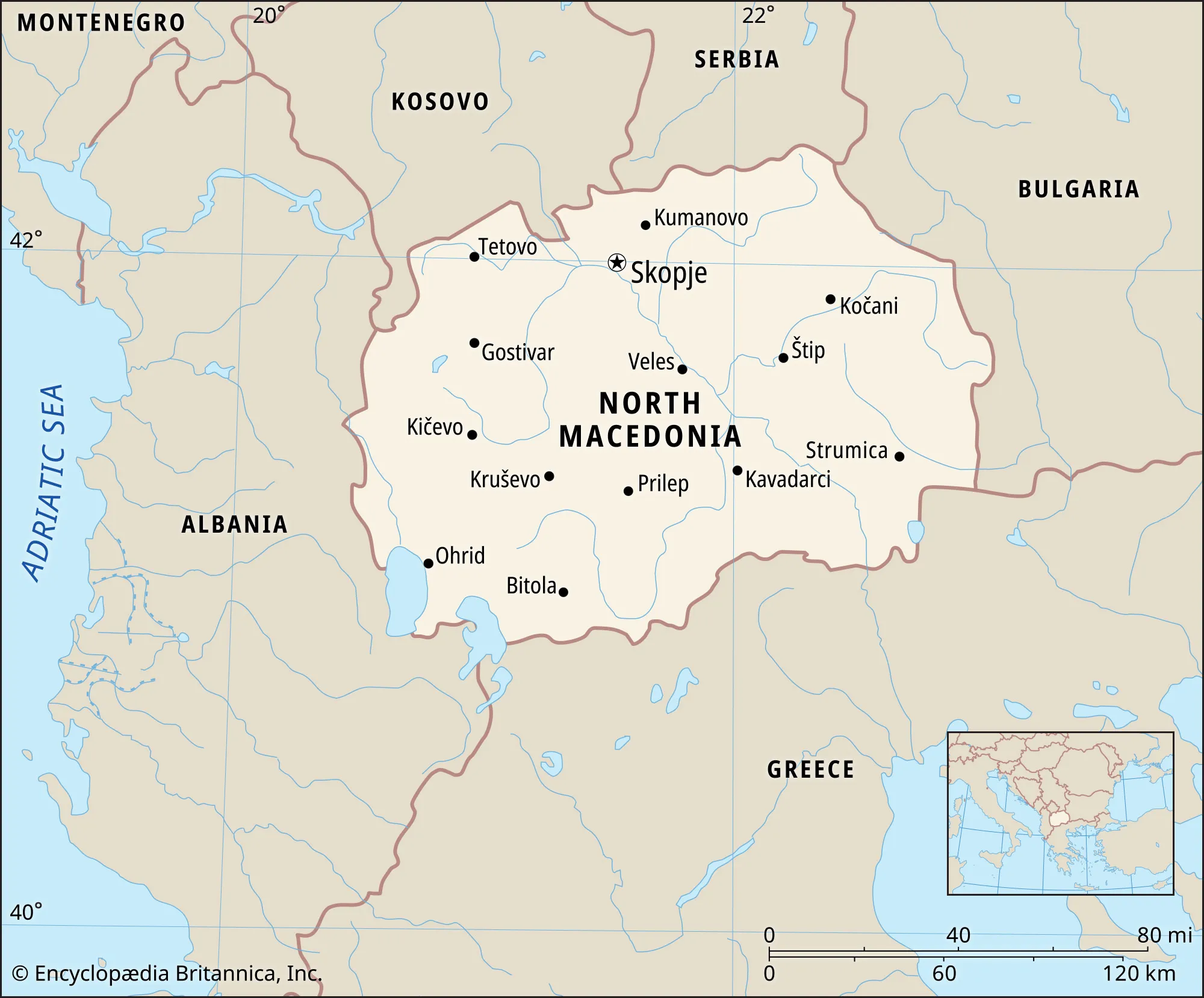
North Macedonia, a small yet significant nation in Southeast Europe, has increasingly drawn attention on the international stage. With a history steeped in rich cultural heritage and a promising future, it is essential to understand the current events shaping this nation. The importance of North Macedonia is amplified by its aspirations for European Union membership and its role in regional stability, making it a focal point for geopolitics in the Balkans.
Current Developments
As of 2023, North Macedonia is navigating a crucial period marked by efforts to strengthen its economy and political frameworks. The government has been working towards implementing reforms required for EU accession, a goal that has motivated extensive legislative changes. Following its official candidacy status in 2005, the country has made strides in enhancing democratic governance and market economy principles.
One of the significant recent events includes the successful conclusion of numerous bilateral agreements with neighbouring countries aimed at fostering economic cooperation and stability. These agreements are pivotal as they not only solidify North Macedonia’s ties with its neighbours but also demonstrate its commitment to regional collaboration.
In addition, steps towards addressing historical disputes, particularly with Greece—over naming issues which have long been a roadblock—saw new momentum following the Prespa Agreement in 2018. This landmark deal resolved the decades-long dispute and allowed North Macedonia to pursue NATO membership, which it successfully achieved in 2020.
Culture and Tourism
North Macedonia is not just a political entity; it is a vibrant cultural tapestry. The country is home to diverse ethnic groups, languages, and traditions, which is reflected in its music, festivals, and culinary offerings. Tourists are drawn to its natural landscapes, including Lake Ohrid, a UNESCO World Heritage site, which offers picturesque views and is rich in biodiversity.
Conclusion
The significance of North Macedonia extends beyond its geographical size; it represents a bridge between East and West. With its ongoing reforms and commitment to European integration, the nation’s future appears promising. Observers predict that as North Macedonia continues on its path towards EU membership, it will play an increasingly crucial role in fostering peace and cooperation in the Balkans. For readers interested in the geopolitical landscape of Europe, North Macedonia serves as a compelling case study of resilience and reform.