Introduction
Armenia, a landlocked country in the South Caucasus, has become a focal point for geopolitical and cultural discussions in recent years. Due to its strategic location between Europe and Asia, the situation in Armenia is critical not only for regional stability but also for global diplomatic relations. With recent conflicts, economic challenges, and shifting alliances, understanding the current affairs concerning Armenia is essential for comprehending the larger geopolitical landscape.
Recent Events and Developments
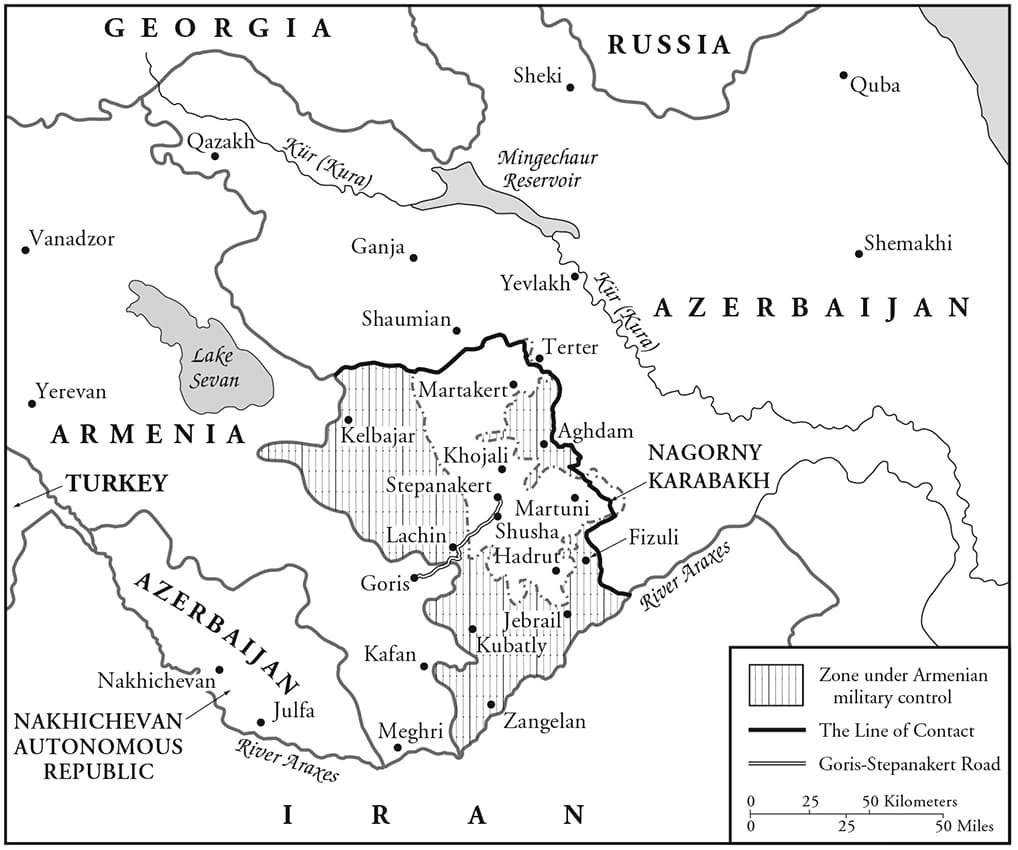
In September 2023, Armenia experienced significant turmoil following a series of skirmishes with Azerbaijan over the longstanding conflict concerning Nagorno-Karabakh. In a surprising turn of events, a fragile ceasefire was reached after mediation by international powers, including Russia and the European Union, aiming to alleviate tensions. This ceasefire, however, remains tenuous as both sides accuse each other of violations.
Economically, Armenia is grappling with inflation and a struggling economy, exacerbated by the ongoing conflict. The International Monetary Fund (IMF) has projected a modest growth rate for 2024, provided that political stability is maintained. Armenia is also looking towards strengthening its ties with the European Union as a counterbalance to the influence of Russia, which has historically held a significant sway over the region.
Importance of the Recent Developments
The recent events in Armenia carry substantial implications for regional security and international relations. The conflict with Azerbaijan not only affects Armenia’s territorial integrity but also raises concerns among neighbouring countries that fear the spillover of violence. Additionally, Armenia’s pivot towards the West, particularly through deepening ties with the EU and NATO, signals a shift that could alter the balance of power in the South Caucasus.
Furthermore, the diaspora plays a crucial role in Armenia’s narrative, with many Armenian expatriates actively engaging in activism and cultural promotion, thus contributing to national identity and global awareness regarding the country’s struggles and aspirations.
Conclusion
The situation in Armenia is fluid, with numerous internal and external factors influencing its trajectory. As the country navigates its complex political landscape and economic challenges, the outcomes of recent negotiations and alliances will likely have lasting impacts. For readers, staying informed about Armenia’s developments is vital not only for understanding its fate but also for comprehending the shifting geopolitics of the region. The coming months are poised to reveal whether Armenia can achieve a balance between peace and progress while confronting its past.