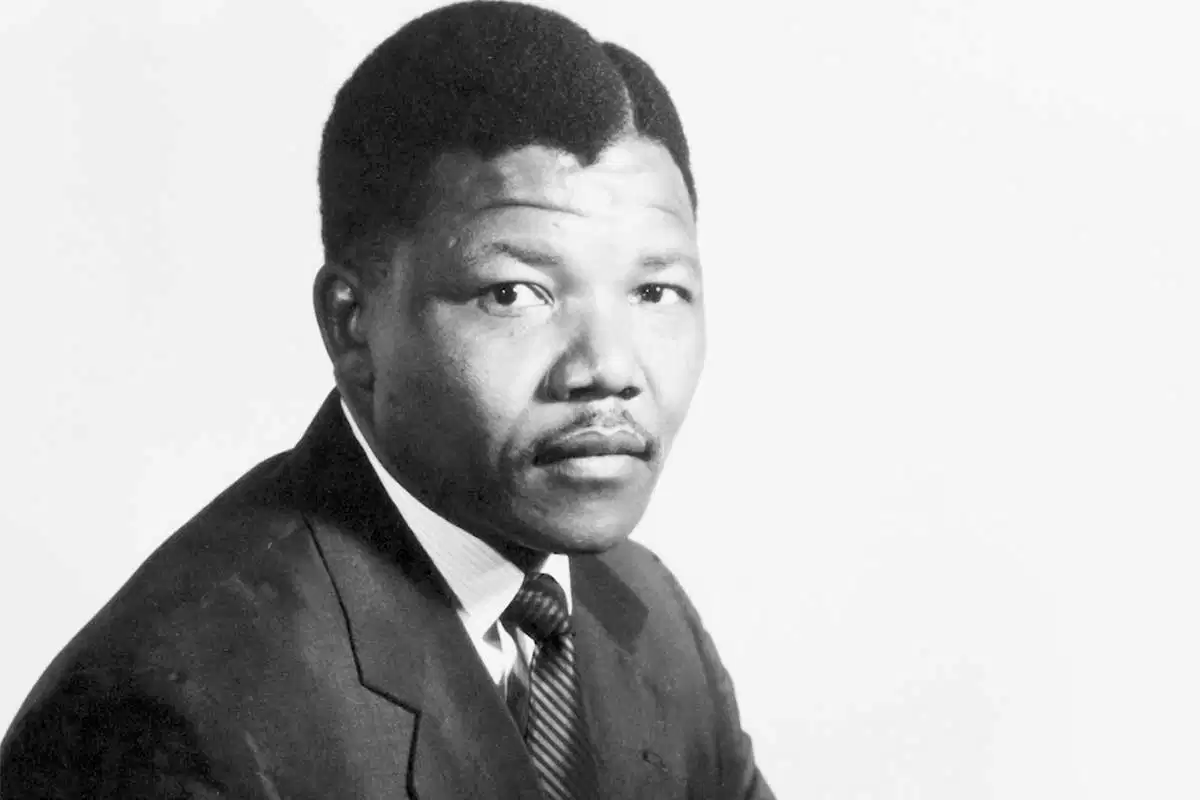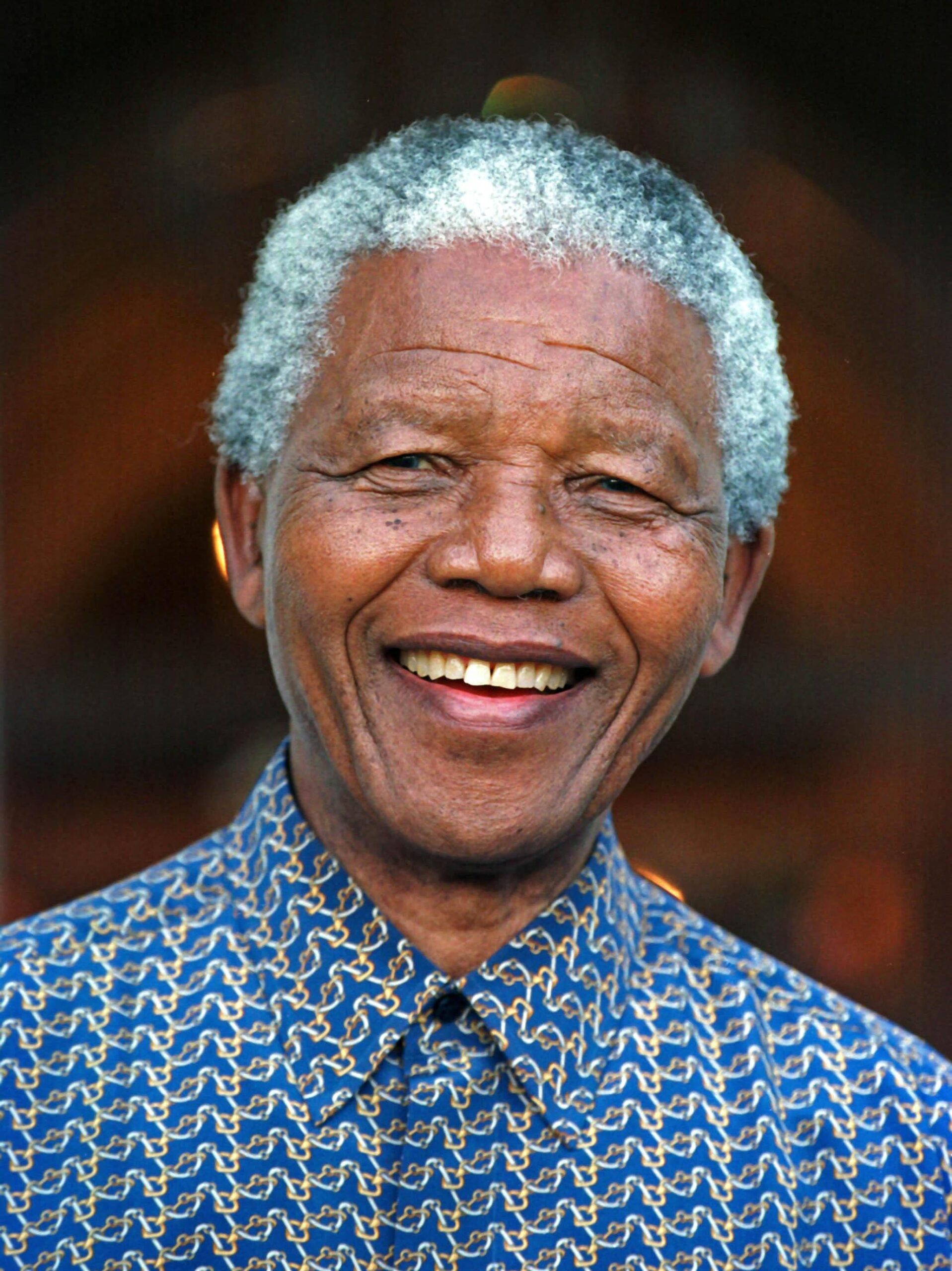
Introduction to Nelson Mandela
Nelson Mandela, the former President of South Africa, is a globally recognised figure known for his pivotal role in ending apartheid and fostering reconciliation in a deeply divided nation. His life and legacy continue to inspire movements for justice, equality, and human rights around the world. The importance of commemorating and understanding Mandela’s contributions is greater than ever, given the continuing struggles against racism and social injustice globally.
Key Events and Achievements
Born on July 18, 1918, in Mvezo, South Africa, Mandela’s early life was marked by a robust commitment to justice and equality. He joined the African National Congress (ANC) in 1943, becoming a prominent leader in the fight against apartheid. In 1962, Mandela was arrested and later sentenced to life in prison for his anti-apartheid activities, spending 27 years behind bars. His imprisonment drew international attention and catalysed global movements advocating for his release.
Mandela was finally released in 1990, and his leadership inspired a peaceful transition from apartheid to a democratic South Africa. In 1994, he became the country’s first black president, overseeing a reconciliation process that brought together a divided nation. His commitment to peace, his negotiation skills, and his ability to forgive his oppressors marked a turning point in South African history and established a model for conflict resolution worldwide.
Impact and Significance
Throughout his life, Mandela was not just a political leader but also a symbol of resistance against oppression. His advocacy for human rights and equality has influenced global movements, encouraging leaders and ordinary people alike to strive for justice. Events like Nelson Mandela Day, celebrated every 18th of July, highlight the importance of his legacy by encouraging acts of kindness and humanitarian service.
In recent years, Mandela’s teachings have been referenced in contemporary discussions about social justice, equality, and the fight against systemic racism. His approach to leadership and conflict resolution remains highly relevant, particularly in discussions surrounding racial equality and restorative justice movements.
Conclusion
The enduring legacy of Nelson Mandela serves as a reminder of the power of resilience and compassion in the face of injustice. As we continue to confront global and local challenges related to inequality, Mandela’s vision of a united and peaceful world remains vital. Understanding his contributions not only deepens our appreciation of his life but also fuels ongoing efforts to create a fairer and more just society for future generations.