Introduction
In the world of football, statements from key figures can often echo beyond the pitch, shaping discussions amongst fans and analysts alike. Recently, renowned manager Erik ten Hag referred to comments made by Argentina’s coach, Lionel Scaloni, regarding the rising star, Lisandro Martinez. This particular discourse sheds light on a crucial topic: player developments and their impact on team dynamics. Understanding what Romero and other coaches say can help us navigate the evolving landscape of football both in a tactical and a psychological sense.
Main Body
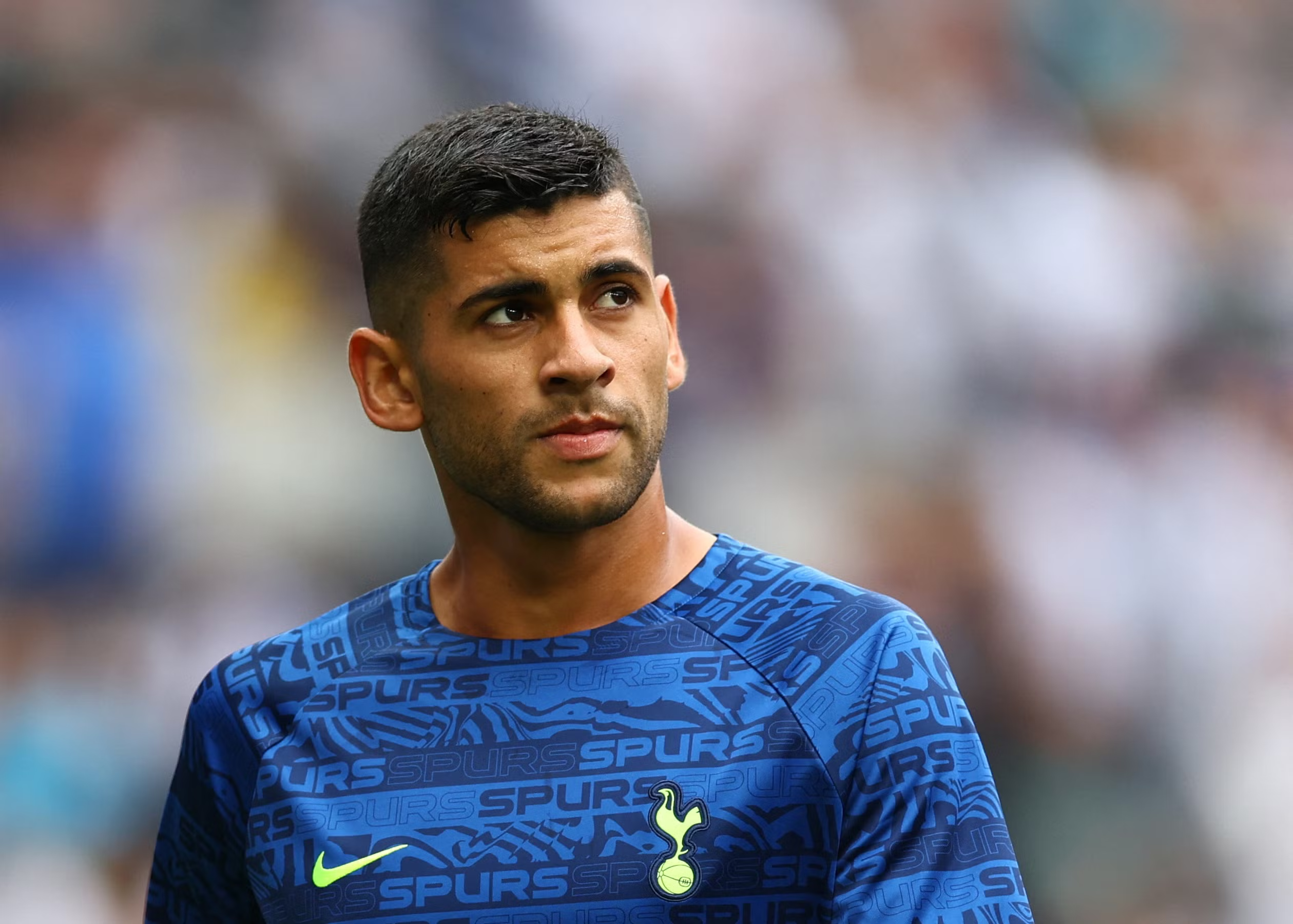
At a recent press conference, Romero was asked about the significance of teamwork in a competitive environment, particularly focusing on the synergy between defenders and the rest of the squad. In his response, Romero highlighted the necessity of communication both on and off the pitch, stating, ‘Consistency and trust are what makes a unit solid. We rely on each other, and our confidence builds collectively.’ This statement resonates particularly well given the pressure football players face during crucial matches.
Romero’s comments were well-timed, coinciding with the ongoing push for players to adapt to heightened expectations in international tournaments. Notably, following his remarks, discussions on social media surged, with many fans and analysts endorsing his views as a reflection of the current competitive climate in football.
Moreover, he addressed the importance of mental resilience, a topic gaining traction in sports psychology. ‘We are not just athletes; we are humans dealing with enormous expectations. It is crucial we support one another, not just physically, but mentally,’ he added, stressing the need for psychological support among athletes, a sentiment echoed in the approach many teams are taking leading up to major tournaments.
Conclusion
Romero’s articulated thoughts offer a glimpse into the mind of a professional athlete facing the dual pressures of performance and public expectation. As the football season progresses, these insights become increasingly relevant for fans and teams alike. Players are not merely board pieces to be moved around; they are individuals with emotions and thoughts that impact their performance. As we move forward, the football community will continue to watch closely, eager to see how Romero and other leaders’ insights will shape both team performance and player well-being. In an era where mental health is as significant as physical fitness, Romero’s emphasis on communication and support may define how teams evolve in the face of competitive challenges.