Introduction
The rivalry between OGC Nice and Montpellier HSC is one of the most captivating narratives in French football, particularly within the context of Ligue 1. Both clubs have a rich history and passionate fanbases, which adds to the atmosphere surrounding their encounters. Understanding the nuances of this rivalry sheds light on their impact on French football and the local culture surrounding these teams.
Historical Context
OGC Nice, established in 1904, is synonymous with the picturesque French Riviera and boasts a legacy that includes several league titles and a dedicated support network. Montpellier HSC, founded in 1910, rose to prominence with their unexpected league title win in the 2011-2012 season, marking them as a formidable force in French football. Their contrasting histories create a vibrant backdrop for the matches that take place between these two clubs.
Recent Encounters
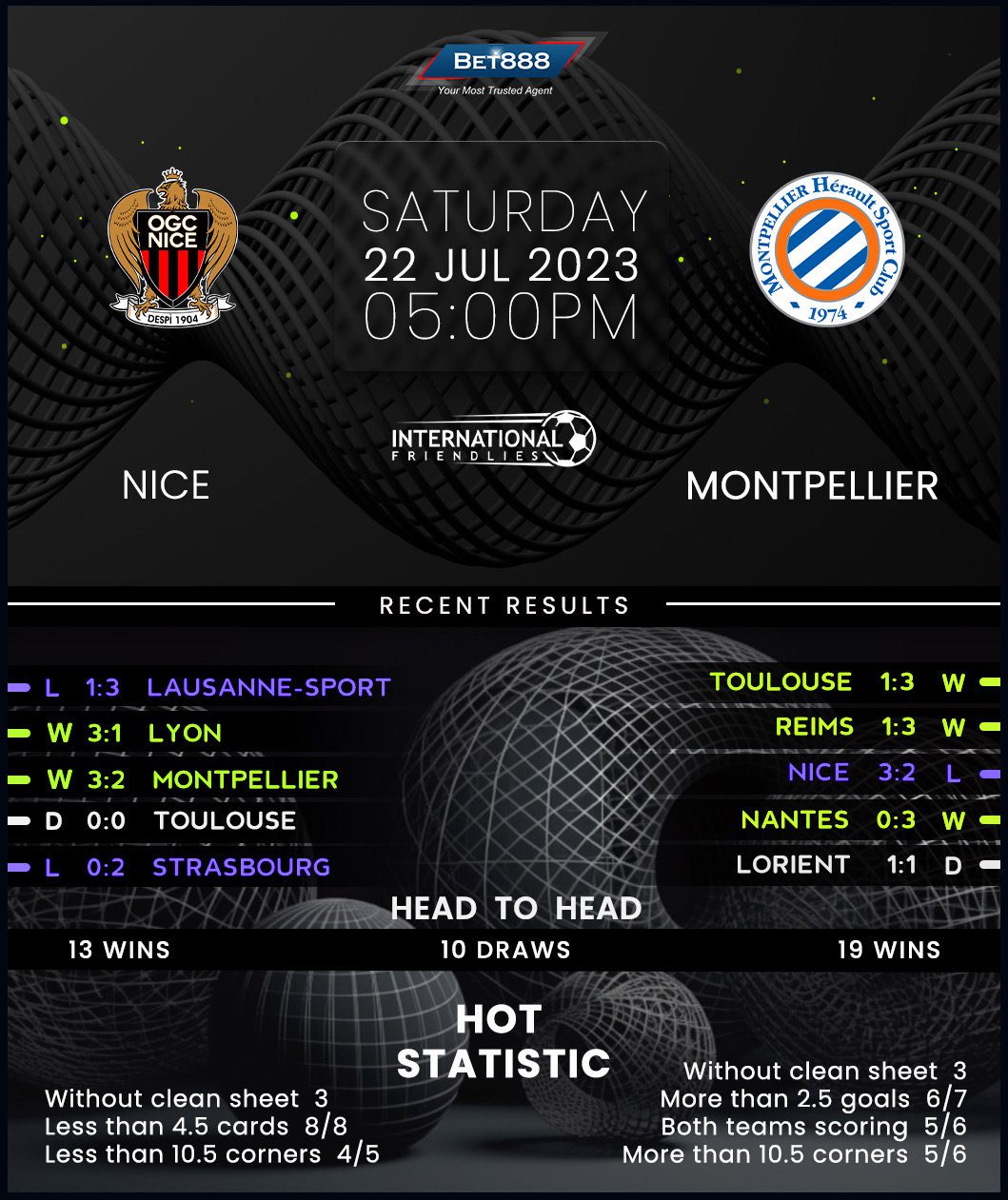
In recent seasons, clashes between Nice and Montpellier have always been fiercely contested. In the 2022-2023 Ligue 1 season, both fixtures resulted in tense matches, with players from each side showcasing their talent. The first match in Nice ended with a narrow victory for the home side, while Montpellier secured an impressive draw in the return fixture at Stade de la Mosson. Such outcomes highlight the unpredictability and competitiveness inherent in their rivalry.
Key Players
Both teams boast talented rosters filled with players capable of turning the tide of a match. Nice’s forward line, with its quick and skilled attackers, often poses a significant threat to opposing defences. Meanwhile, Montpellier relies on a mix of experienced campaigners and emerging talents, giving them a dynamic edge. This year, players like Andy Delort for Montpellier and Amine Gouiri for Nice have been pivotal, drawing in crowds and enhancing the intensity of the rivalry.
The Significance of the Rivalry
The encounters between Nice and Montpellier extend beyond the pitch. They represent a clash of cultures and regional pride, underscoring the importance of football in French society. Fans engage passionately, making these matches more than just games but community events that resonate throughout the regions they represent.
Conclusion
As Nice and Montpellier continue to compete in Ligue 1, their rivalry will undoubtedly evolve, reflecting changes in team strategies, player movements, and overarching league dynamics. For fans and spectators, each match is a reminder of the thrilling spectacle of football and the enduring spirit of competition. Observers can anticipate that future encounters will maintain the excitement and drama that define this intense rivalry, solidifying its importance in the landscape of French football.