Introduction
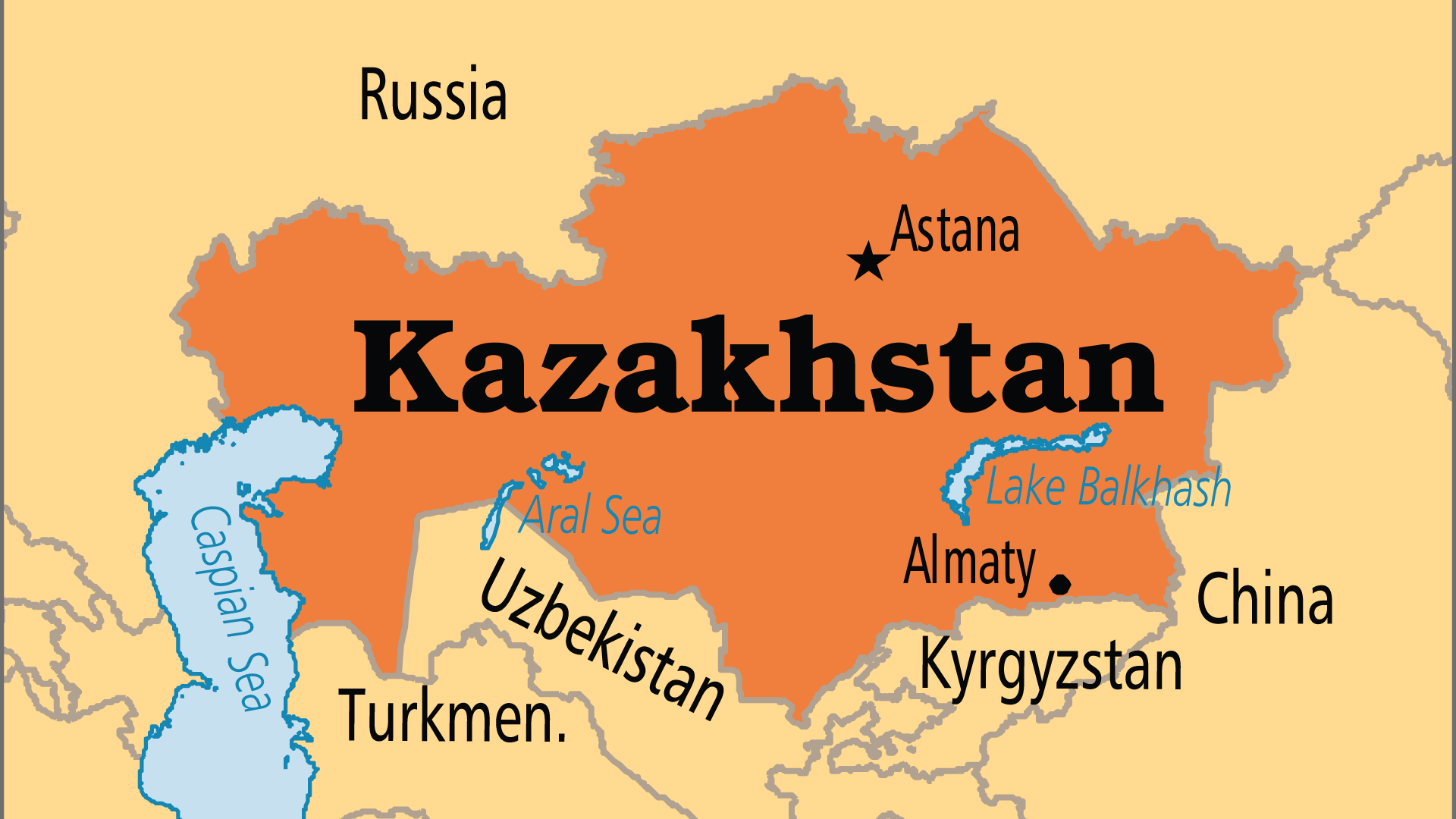
Kazakhstan, the world’s largest landlocked country, has emerged as a significant player in Central Asia over the past few years. Its strategic location between Europe and Asia, rich natural resources, and ongoing economic reforms have attracted global attention. As the country navigates its post-Soviet identity and seeks to diversify its economy, understanding Kazakhstan’s current trajectory is vital for investors, policymakers, and international observers alike.
Economic Development and Reforms
In 2023, Kazakhstan’s economy has shown resilience amid global economic challenges. The government has implemented a series of reforms to enhance the business environment, streamline regulations, and promote foreign investment. The National Bank of Kazakhstan has also undertaken measures to stabilise the national currency and control inflation, which was reported at a reduced rate of 7.5% in September compared to 9% earlier this year.
Key sectors contributing to Kazakhstan’s economic growth include mining, agriculture, and increasingly, technology. The nation is the world’s largest producer of uranium and aims to maintain its standing in the global market by investing in sustainable practices and innovative technologies in the extraction processes.
Geopolitical Influence
Kazakhstan plays a crucial role in regional geopolitics, serving as a bridge between Russia and China. Its involvement in initiatives such as the Belt and Road Initiative (BRI) has positioned it strategically within the context of Asian economic integration. The recent summit held in Astana highlighted Kazakhstan’s growing influence, with leaders from various nations convening to discuss trade, security, and collaborative efforts to address environmental issues.
Moreover, Kazakhstan has begun to carve out its independent foreign policy, balancing relations between Western countries and its traditional partners in Russia and China. This balance is critical for maintaining regional stability, particularly amid tensions surrounding border security and energy resources.
Social Developments and Challenges
Despite its economic progress, Kazakhstan faces several challenges, particularly in the social sphere. Issues such as income inequality, corruption, and political reforms remain high on the agenda. The government has initiated social programmes aimed at improving education and healthcare, but the effectiveness of these measures continues to be scrutinised by citizens and international watchdogs.
Conclusion
In conclusion, Kazakhstan is at a crossroads, balancing its rich resources with the pressing needs of reform and international relations. As it continues to grow economically and assert its role on the geopolitical stage, the outcomes of its policies and reforms will be essential in shaping the future of Central Asia. For businesses and investors, understanding the dynamics of Kazakhstan will be critical in leveraging its potential while navigating the complexities that lie ahead.