Introduction
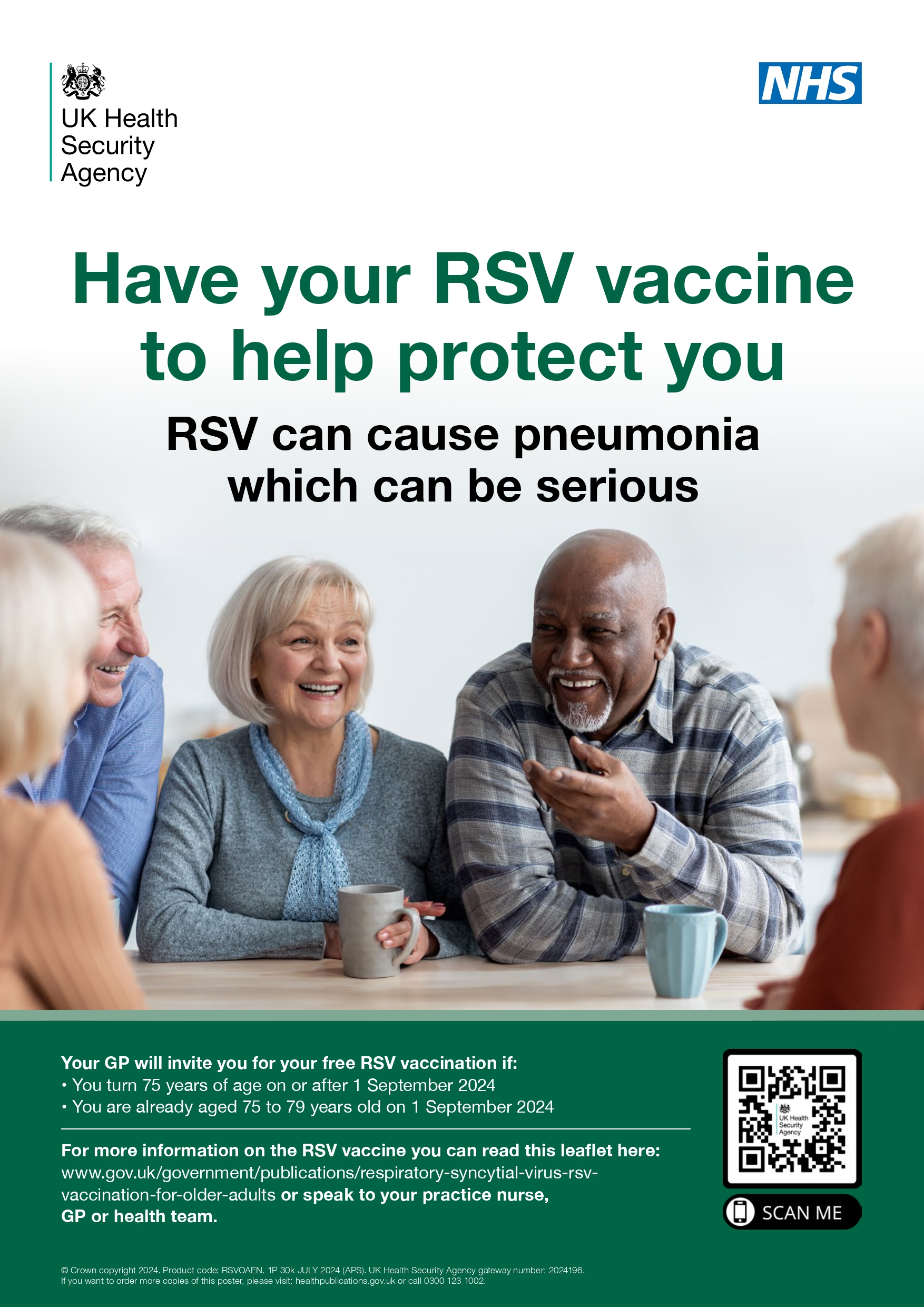
The respiratory syncytial virus (RSV) is a leading cause of respiratory infections in infants and the elderly, resulting in significant hospitalisations and healthcare costs. With the recent advancements in vaccine development, there is renewed hope for reducing the impact of this virus. The introduction of an RSV vaccine could potentially save lives and ease the burden on healthcare systems worldwide.
Current Developments in RSV Vaccine Research
As of 2023, multiple pharmaceutical companies, including Pfizer and Moderna, are making strides towards RSV vaccine candidates. In September 2023, Pfizer announced promising results from its phase 3 clinical trial, indicating that their vaccine can significantly reduce the risk of severe RSV disease in infants through maternal immunisation. The vaccine showed an efficacy of up to 80% when administered to expectant mothers, allowing antibodies to transfer to newborns.
Similarly, Moderna is also progressing in its developments, focusing on the mRNA technology that proved successful in COVID-19 vaccines. Their latest trials are targeting both adults and children, emphasising safety and efficacy in different age groups.
Public Health Implications
The potential rollout of an RSV vaccine is expected to have a profound impact on public health. According to the World Health Organisation (WHO), RSV causes approximately 120,000 deaths annually in children under five and contributes to the burden of respiratory illness in older adults. By providing a preventative measure, these vaccines could drastically lower hospital admissions and healthcare costs related to severe RSV infections.
Community Response and Future Prospects
The response from the medical community and the public has been largely optimistic. Healthcare professionals anticipate that the availability of an effective RSV vaccine will enhance routine immunisations and promote maternal health strategies. Furthermore, efforts are underway to ensure that these vaccines are accessible to populations in low- and middle-income countries where RSV infections are prevalent.
Conclusion
As researchers continue to work on refining and deploying RSV vaccines, the future looks promising for reducing the impact of this common yet potentially deadly virus. The effectiveness of these vaccines in clinical trials signifies a vital step forward in public health. With expected authorisations and subsequent market entries in the coming years, we may be witnessing the dawn of a new era in respiratory virus prevention.