Introduction
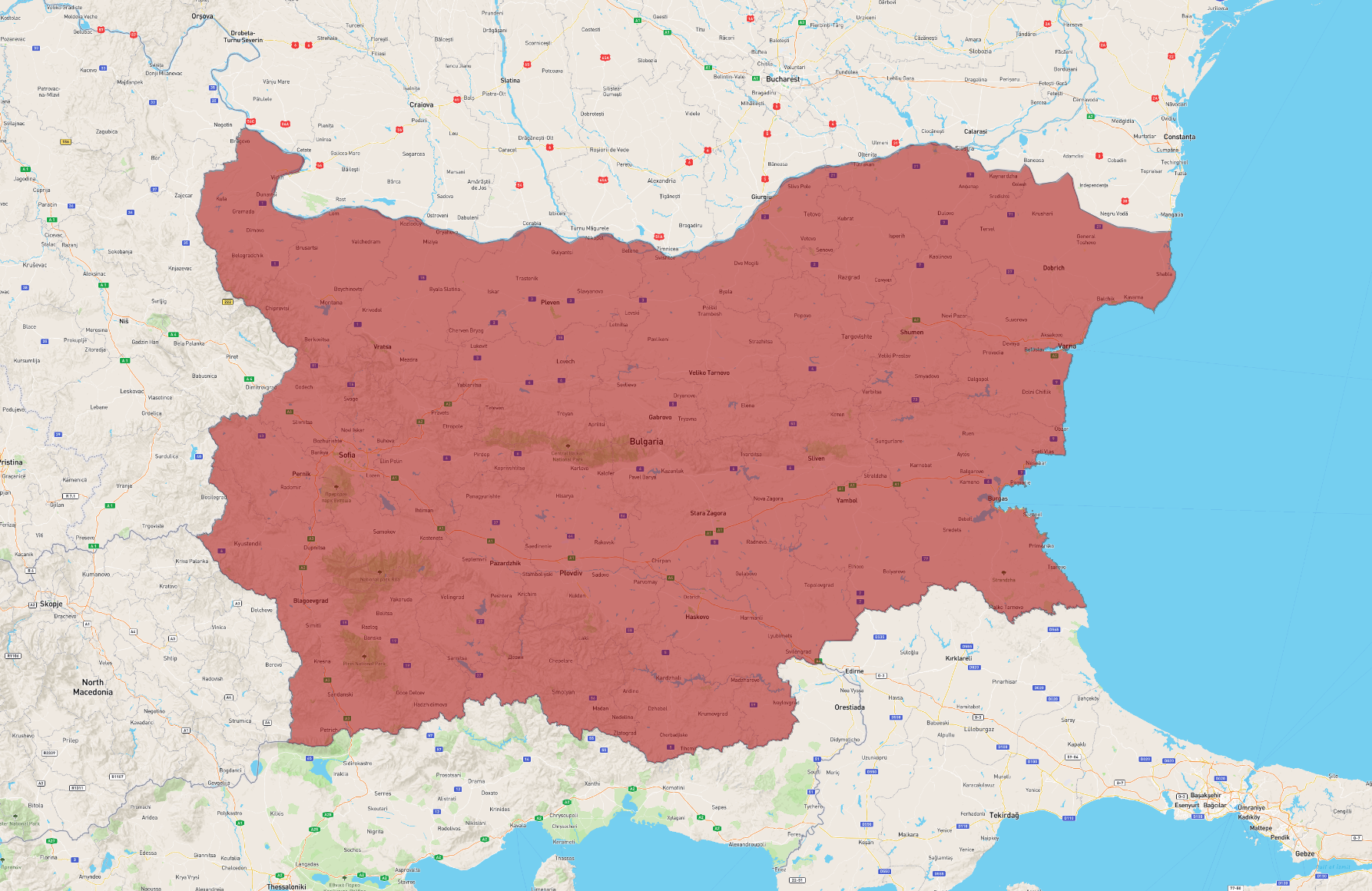
Bulgaria, nestled in Southeast Europe, has been making headlines for its remarkable economic growth and cultural renaissance over the past few years. As a member of the European Union since 2007, the country has been undergoing significant transformations, attracting foreign investments and revitalising its cultural heritage. Understanding Bulgaria’s developments is crucial for grasping the broader economic landscape of the Balkans and the shifts in European dynamics.
Recent Economic Developments
In 2023, Bulgaria’s economy showed an impressive rebound from the effects of the pandemic, with the World Bank projecting a growth rate of 4.5%. This recovery has been driven by strong performance in sectors such as technology, tourism, and agriculture. Additionally, the government has implemented various reforms to improve the investment climate, making it easier for foreign companies to establish operations in the region.
Recent data indicates a significant increase in exports, particularly in the IT and software sectors, which have become a substantial source of revenue. The Bulgarian authorities are focusing on enhancing infrastructure and digital connectivity, aiming to position the country as a tech hub in the Balkans.
Cultural Revival and Heritage Promotion
Aside from economic advancements, Bulgaria is experiencing a cultural revival, with increased efforts to promote its rich history and traditions. The country boasts a wealth of UNESCO World Heritage sites, including the ancient Thracian tombs and the Rila Monastery, which have become popular tourist destinations. The government is actively investing in cultural projects that aim to highlight Bulgaria’s unique folklore, music, and traditions, fostering a sense of national pride.
Cultural festivals are on the rise, further showcasing Bulgaria’s vibrant arts scene. Events like the International Folklore Festival in Plovdiv and the Sofia Music Weeks attract not only locals but also international tourists, boosting the economy and global awareness of Bulgarian culture.
Conclusion
Bulgaria stands at a crucial juncture in its development, combining its rich cultural heritage with modern economic strategies to foster growth and attract visitors. As the country continues to invest in infrastructure and cultural initiatives, forecasts suggest a promising future where Bulgaria could emerge as a key player in the European market. Understanding Bulgaria’s evolution is essential for those interested in the dynamics of Southeast Europe, making it a significant topic for both regional and international stakeholders.