Introduction
Vitamin D, often referred to as the “sunshine vitamin,” plays a crucial role in maintaining human health. This fat-soluble vitamin is essential for bone health, immune function, and has been linked to numerous health benefits, making its deficiency a significant public health concern. With recent studies revealing alarming rates of vitamin D deficiency across various demographics, understanding its importance and sources has never been more relevant.
What is Vitamin D?
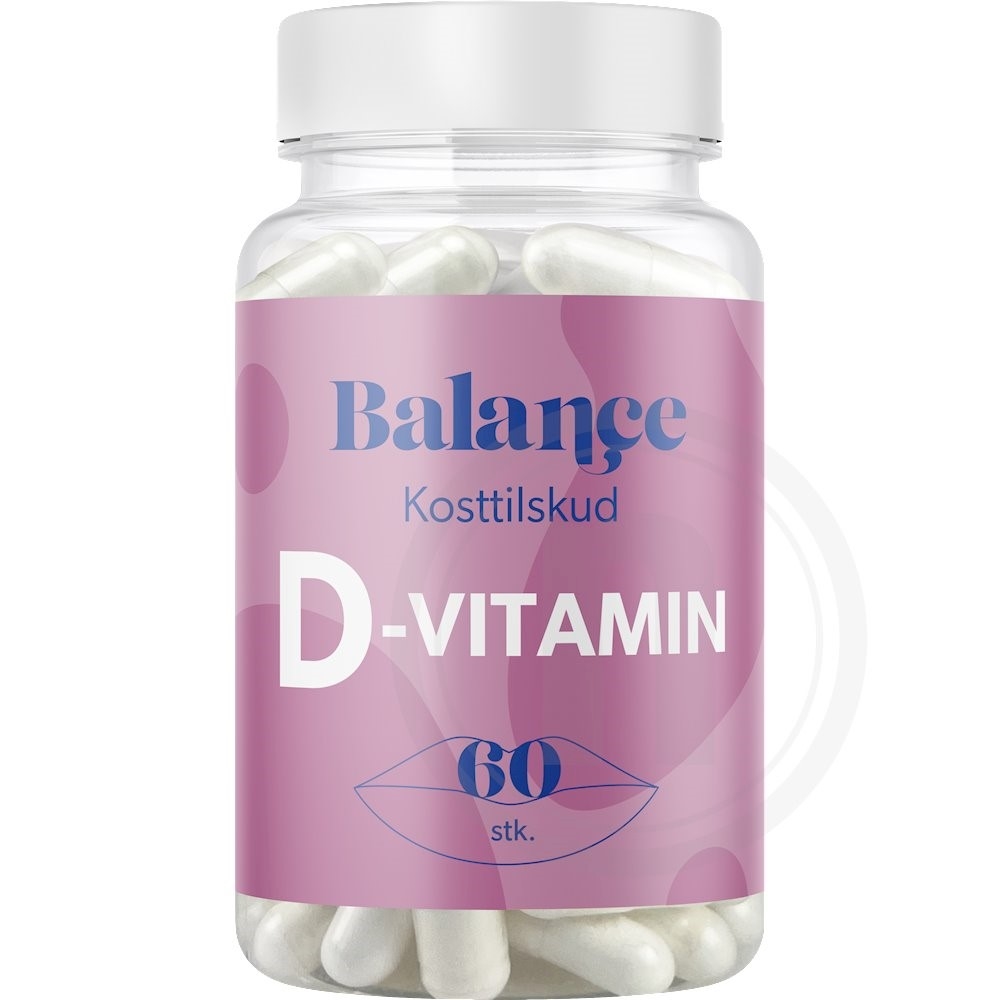
Vitamin D can be obtained from sunlight, certain foods, and supplements. The body produces vitamin D naturally when exposed to sunlight, specifically UVB rays. Dietary sources include fatty fish, beef liver, and fortified foods, such as dairy products and cereals. Despite these sources, many people do not achieve adequate levels due to lifestyle factors, dietary restrictions, and limited sun exposure, especially during winter months.
Health Benefits of Vitamin D
Research highlights several health benefits associated with adequate vitamin D levels:
- Bone Health: Vitamin D is vital for calcium absorption, contributing to strong bones and reducing the risk of fractures and conditions like osteomalacia and osteoporosis.
- Immune Function: It plays a significant role in modulating the immune system, helping to protect against infections and autoimmune diseases.
- Mental Health: Studies suggest a correlation between low vitamin D levels and increased risk of depression and anxiety, indicating a role in mental well-being.
Recent Findings on Deficiency
A recent study published by the National Institute for Health Research in 2023 found that nearly 40% of adults in the UK are vitamin D deficient, with people of non-white ethnic backgrounds and those living in northern regions being particularly affected. The study advocates for increased public health campaigns promoting blood testing for vitamin D and the consumption of supplements, particularly during the winter months when sunlight exposure is limited.
Conclusion
Vitamin D is undeniably significant for overall health, and adequate levels can greatly enhance quality of life. With high levels of deficiency observed in various populations, it is essential to raise awareness of this issue and encourage dietary and lifestyle changes that support healthy vitamin D levels. For readers, taking proactive steps—such as getting regular sun exposure, consuming vitamin D-rich foods, or consulting a healthcare provider about supplements—can contribute to improved health outcomes and a lower risk of associated diseases.