Introduction
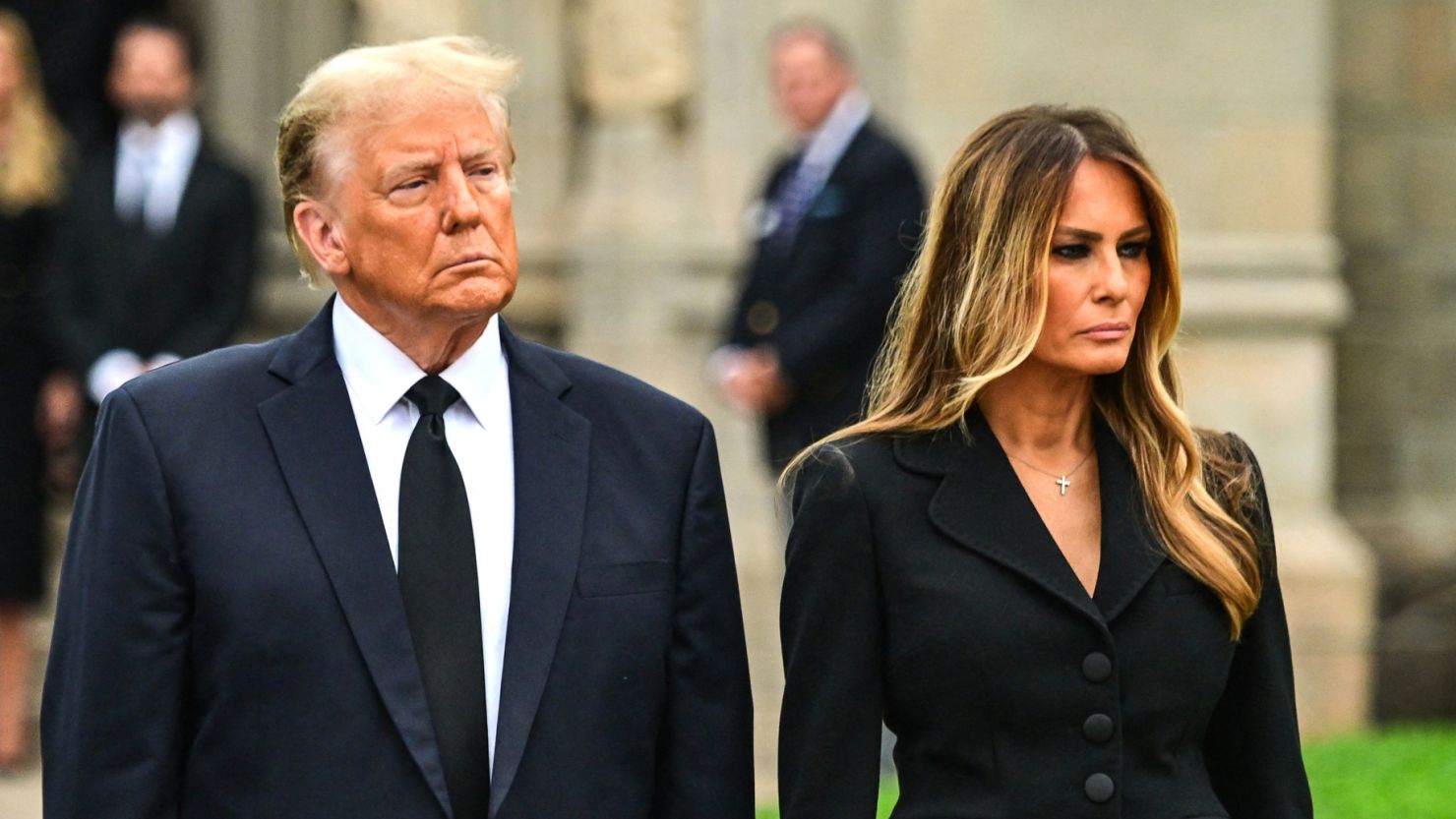
Melania Trump, the wife of Donald Trump, was the First Lady of the United States from 2017 to 2021. Her role in this significant position is often discussed in terms of both fashion and politics. As the first foreign-born First Lady since John Quincy Adams’ wife, Louisa Adams, Melania’s journey from Slovenia to the White House provides insight into her unique perspective in American political culture.
Background and Early Life
Born on April 26, 1970, in Slovenia, Melania Knauss started her career as a model at a young age. She moved to New York City in 1996, where she met Donald Trump in 1998 at a fashion event. Despite the significant age difference, the two developed a relationship that led to their marriage in 2005.
Role as First Lady
During her time in the White House, Melania Trump championed initiatives focusing on children’s well-being, particularly through her campaign “Be Best”. This campaign aimed to address issues such as opioid addiction and social media use among youth. However, her time as First Lady was also marked by criticism and scrutiny, especially concerning her husband’s policies and statements.
Recent Developments
Since leaving the White House, Melania has maintained a relatively low profile compared to other former First Ladies. She has continued her work with her charity and has been involved in various business ventures, including a line of skincare products. Recently, Melania has made headlines for her public appearances, hinting that she remains a significant figure in the Trump family and the Republican Party.
Conclusion
Melania Trump’s journey from a small town in Slovenia to the highest echelons of American society underscores her resilience and adaptability. As a public figure, her influence continues to resonate, especially among supporters of her husband. Looking forward, her potential return to the public eye could play a pivotal role in shaping discussions around the future of the Trump family in American politics. Her experiences as First Lady provide a unique lens through which to examine the evolving role of women in political spheres.