Introduction
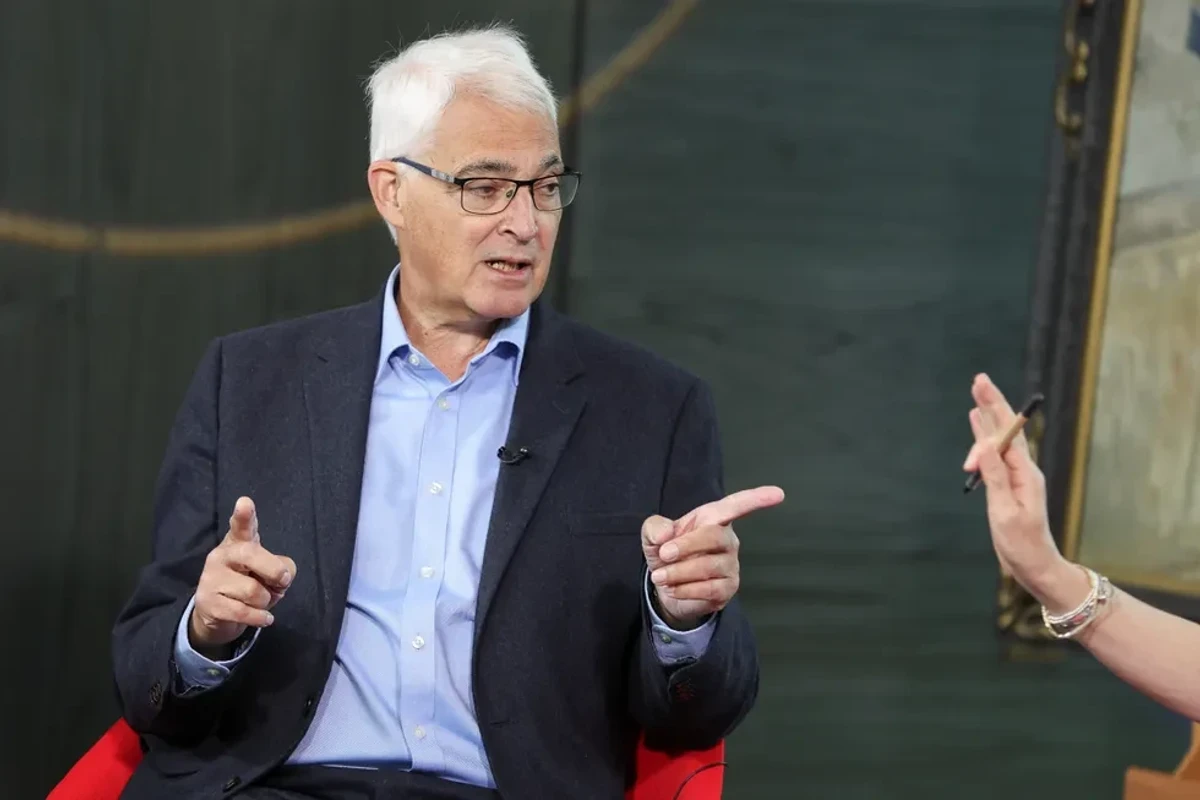
Alistair Darling, a prominent figure in British politics, has had a significant impact on the UK’s economic landscape over the years. Serving as Chancellor of the Exchequer from 2007 to 2010, he played a crucial role during the global financial crisis, making him a contentious yet pivotal figure in contemporary political discourse. His decisions during this time are often revisited in economic discussions, highlighting the relevance of his policies in today’s climate.
Main Contributions and Political Career
Born on November 28, 1953, in London, Darling’s political journey began as a Labour Party member. He was elected as the MP for Edinburgh South West in 1987. Over his extensive career, Darling held several key positions, including Secretary of State for Transport and Secretary of State for Trade and Industry. However, he is best known for his time as Chancellor, where he faced the unprecedented challenge of the 2008 financial crisis.
In response to the crisis, Darling implemented significant fiscal measures to stabilise the economy, including the controversial bank bailouts and various stimulus packages. His policies aimed to support failing banks and protect individuals from the impacts of the recession. Critics often dissect Darling’s approach, with debates surrounding the effectiveness and long-term outcomes of his management strategies during this tumultuous period.
Recent Developments and Legacy
Since leaving office, Darling has remained active in political and economic discussions, frequently appearing in media and forums to provide insights on current economic policies and challenges. In recent months, he participated in several discussions addressing the ongoing effects of inflation and the cost-of-living crisis in the UK, linking these issues back to his previous experiences as Chancellor.
In October 2023, Darling emphasised the need for a cohesive economic strategy to combat rising inflation in a keynote speech at the Institute for Government, highlighting the importance of learning from past fiscal policies. His continued relevance in today’s political landscape underscores his significant contributions and the long-lasting impact of his decision-making during critical moments.
Conclusion
Alistair Darling’s career encapsulates the complexities of managing an economy in crisis and the intricacies of political decision-making. As debates over economic policies continue in the UK, his insights and experiences remain invaluable for understanding the trajectory of British politics. Forecasts for the UK’s economic recovery suggest that figures like Darling will continue to be consulted for guidance in navigating future challenges, thereby solidifying his place in the annals of modern UK history.