The Importance of Paesi Bassi
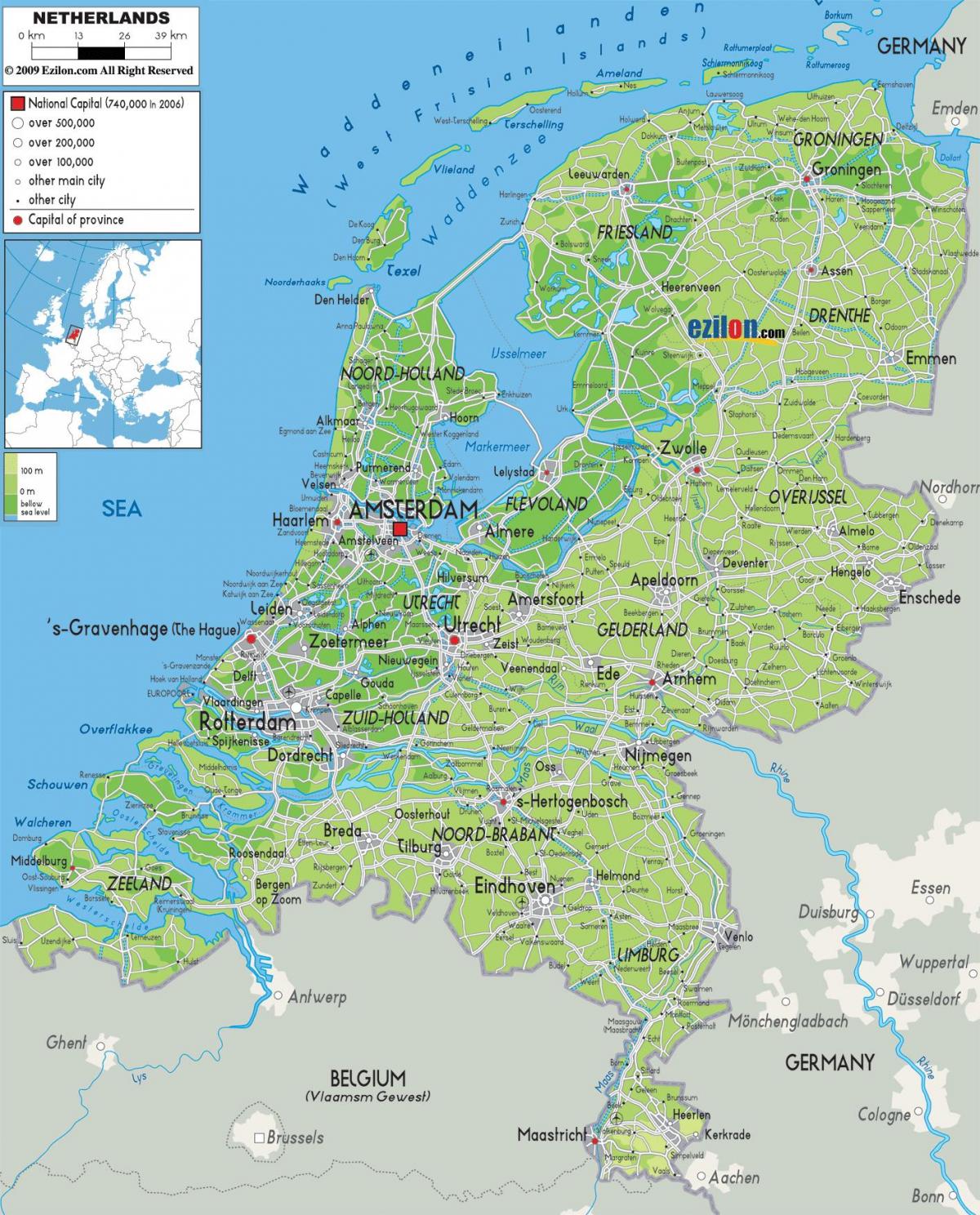
Paesi Bassi, better known as the Netherlands, holds a pivotal position in Europe, renowned for its rich cultural heritage, progressive societal norms, and significant economic contributions. The country, with its flat landscape, is famous for its iconic windmills, tulip fields, and intricate canal systems. As a founding member of the EU and NATO, its relevance extends beyond mere geography, making it a vital player in international politics and trade.
Economic Landscape
The Netherlands has overwhelmingly established itself as one of Europe’s strongest economies. With a GDP of approximately €900 billion, it ranks as the 17th largest economy globally. The country boasts a high standard of living, advanced infrastructure, and a diversified economy that includes agriculture, technology, and finance. It is also one of the world’s largest exporters of goods, particularly in agriculture, known for producing a significant percentage of the global flower and vegetable market. Major corporations, like Philips and Shell, further underline the economic prowess of Paesi Bassi.
Cultural Heritage
Culturally, the Netherlands is a melting pot of art, music, and traditional festivals. Cities like Amsterdam and Rotterdam are home to numerous museums, such as the Van Gogh Museum and the Rijksmuseum, celebrating the country’s rich artistic history. Dutch culture also shines through its vibrant music scene and bustling festivals, which attract millions of tourists each year. Notably, King’s Day, a public holiday celebrating the Dutch monarch, showcases the country’s traditions, with citizens donning orange attire and participating in various festivities.
Political Influence
Politically, the Netherlands is recognized for its progressive policies, particularly regarding social issues like LGBTQ+ rights and environmental sustainability. The country recently hosted the yearly UN Climate Change Conference, emphasizing its commitment to addressing global challenges. This leadership extends to international cooperation, where the Dutch government advocates for human rights and democratic values worldwide.
Conclusion
In summary, Paesi Bassi stands as a prominent country in Europe, with its vibrant economy, rich culture, and influential political stance. As the world navigates various challenges, the Netherlands remains a critical player in fostering dialogue and solutions. Forecasts suggest that the country will continue to thrive economically and socially, reflecting its longstanding dedication to progress and innovation. For readers interested in Europe, Paesi Bassi presents an exemplary model of how history, culture, and modernity can harmoniously coexist.