Introduction
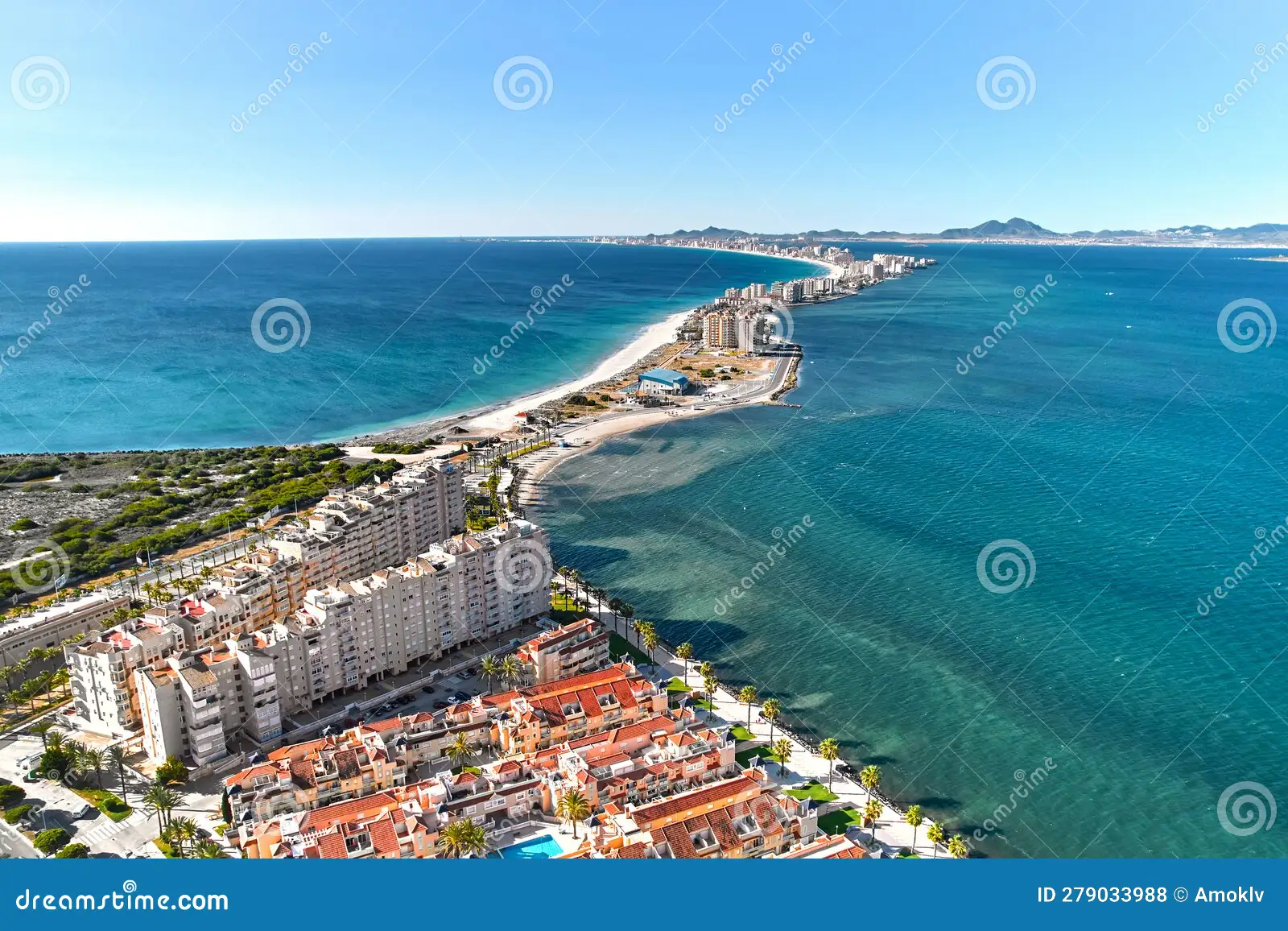
The Mar Menor, a unique saline lagoon located in the southeast of Spain, is one of the largest coastal lagoons in Europe. Its ecological importance and beauty make it a crucial area for both biodiversity and tourism. However, it faces significant environmental challenges, urging immediate attention and action from local authorities and environmentalists alike.
Current State of Mar Menor
Recent reports indicate that the Mar Menor is in a state of ecological crisis, primarily due to pollution from agricultural runoff, unregulated tourism, and urban development. Algal blooms, particularly of the species Enteromorpha, have significantly reduced water quality, endangering aquatic life and the local economy that heavily relies on fishing and tourism.
In September 2023, local marine biologists highlighted troubling findings indicating a drastic decrease in fish populations, with some species declining by over 70% in recent years. The situation has sparked widespread concern among environmental groups, leading to renewed calls for stronger protective measures.
Governmental and Community Response
In response to the growing crisis, the Spanish government has implemented new regulations aimed at reducing agricultural runoff into the lagoon. Measures have also included restrictions on urban development along the coast to preserve the fragile ecosystem. Local communities have begun collaborating with NGOs to engage in clean-up initiatives and awareness campaigns to educate visitors about the environmental impact of their activities.
Future Outlook
Although the challenges are formidable, there is a glimmer of hope as stakeholders from government, local communities, and environmental organizations are coming together to develop a long-term action plan. Plans include investing in environmentally friendly farming practices, promoting sustainable tourism, and restoring natural habitats within the lagoon.
The future of the Mar Menor is still uncertain, yet the combined efforts of dedicated groups and increased public awareness could potentially turn the tide. The lagoon’s preservation is not only vital for biodiversity but also for the cultural and economic fabric of the region.
Conclusion
In conclusion, the plight of the Mar Menor serves as a poignant reminder of the delicate balance between human activity and nature. As the ecological health of the lagoon continues to decline, it is imperative that individuals and communities recognise their role in preserving this remarkable ecosystem. Ongoing monitoring, community engagement, and proactive policies will be crucial in ensuring that future generations can enjoy and learn from the unique environment of the Mar Menor.