Introduction
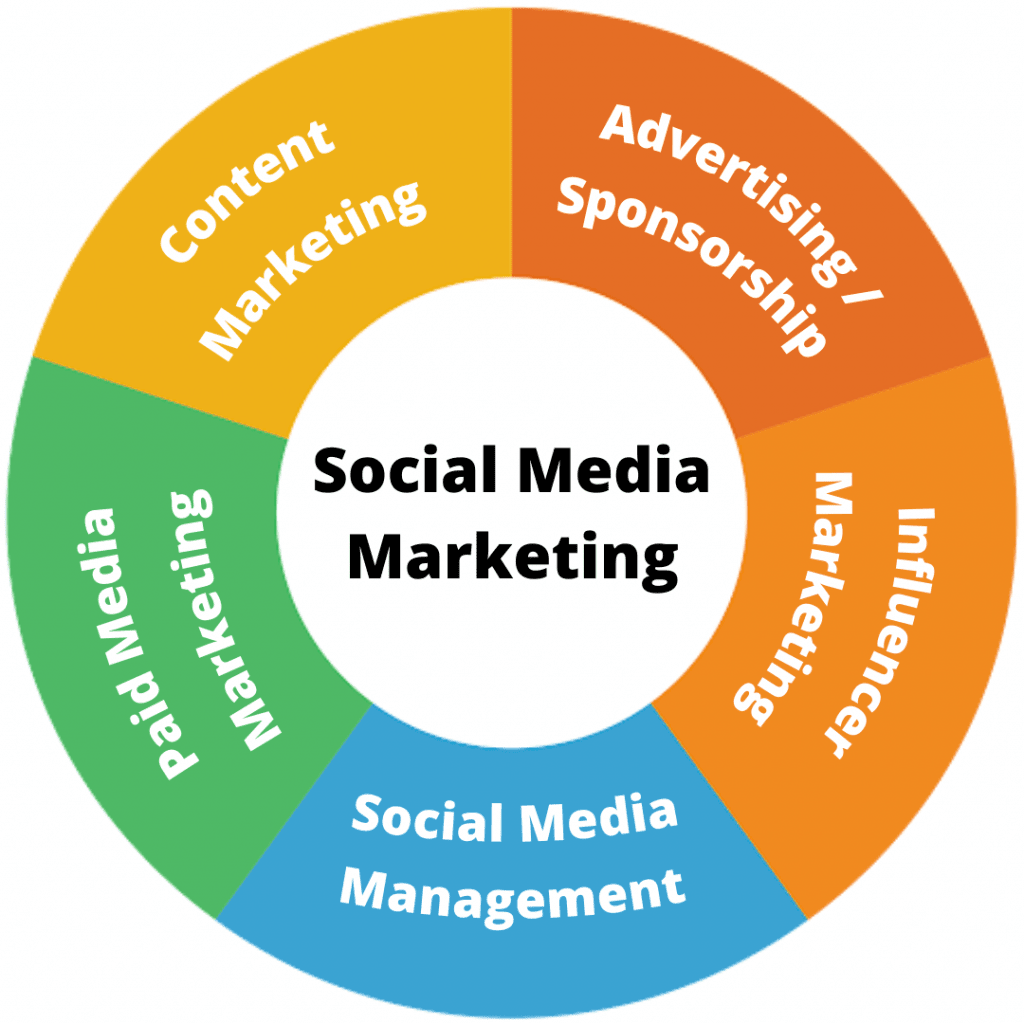
Influencer marketing has emerged as a pivotal strategy for brands looking to connect with their audiences in authentic ways. It leverages the power of social media personalities—individuals who have built substantial followings—to promote products and services. As traditional advertising methods decline in effectiveness, the relevance of influencer marketing has grown, making it one of the most talked-about trends in the marketing industry today.
The Growth of Influencer Marketing
Over the past few years, the influencer marketing sector has expanded exponentially. According to a report by Insider Intelligence, the industry is expected to be worth $15 billion by 2022, reflecting its rising importance. This growth is propelled by the increasing trust consumers place in influencers compared to traditional celebrity endorsements. Additionally, platforms like Instagram, TikTok, and YouTube serve as fertile grounds for influencer collaborations, allowing for creativity and resonance with target demographics.
Successful Campaigns
Numerous brands have capitalised on influencer marketing to launch successful campaigns. For instance, Daniel Wellington, a Swedish watch company, utilised Instagram influencers to generate buzz about its products and saw sales surpassing $200 million within a few years. Similarly, beauty brands like Glossier and Fenty Beauty have thrived on influencer partnerships, regularly engaging with beauty influencers who share genuine product reviews and tutorials.
Challenges and Considerations
Despite its advantages, influencer marketing is not without challenges. Brands must navigate the complexities of selecting the right influencer for their campaign—factors such as audience alignment, engagement rate, and authenticity are crucial. Moreover, there is an increasing scrutiny on transparency, as followers expect influencers to disclose paid partnerships, which impacts trust. Brands should also be prepared for potential backlash if an influencer engages in controversial behaviour that reflects poorly on them.
Conclusion
Influencer marketing has established itself as a cornerstone of modern advertising, reshaping the way brands interact with consumers. As we move forward, the industry is likely to mature, with brands investing in long-term relationships with influencers rather than one-off campaigns. This evolution will enhance credibility and foster deeper connections with audiences. For businesses looking to future-proof their marketing strategies, embracing influencer marketing appears to be not just advantageous, but essential.