Introduction
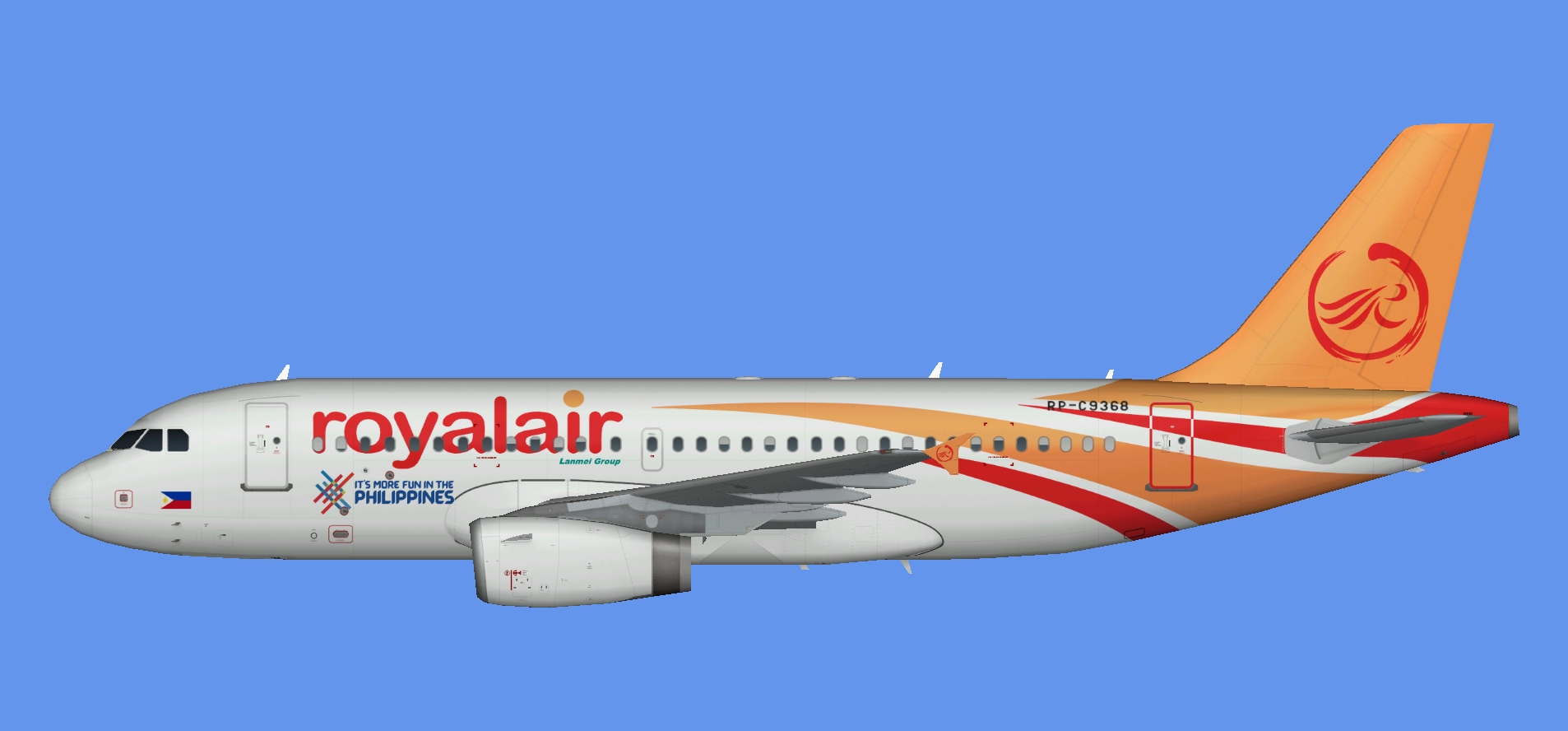
The recent news surrounding the liquidation of Royal Air Philippines has significant implications for the Philippine aviation industry. As one of the country’s airlines ceasing operations, it raises questions about job security, customer rights, and the overall impact on domestic air travel.
Background
Royal Air Philippines, founded in 2001, was among the local airlines serving both domestic and international destinations. However, the airline has faced financial difficulties exacerbated by the COVID-19 pandemic, which severely impacted the travel sector. Despite attempts to restructure and maintain operations, the airline announced its decision to file for liquidation in early October 2023. This announcement followed a series of unpaid debts and inability to cover operational costs.
Details of the Liquidation
The Philippine Securities and Exchange Commission (SEC) confirmed the airline’s liquidation on October 5, 2023. The decision came after an evaluation of the company’s financial statements and its inability to present a viable recovery plan. Royal Air Philippines’ liquidation involves transferring the airline’s assets to settle debts and liabilities while notifying passengers about flight cancellations and refund processes.
According to the Department of Transportation, approximately 500 employees are expected to be affected as the airline gradually ceases its operations. Many of these employees have expressed concerns over job displacement and the need for immediate financial assistance, highlighting the need for government intervention.
Impact on Aviation Sector
The liquidation of Royal Air Philippines adds to a growing list of airlines ceasing operations in recent years, raising concerns about competition in the domestic market and potential fare increases due to reduced capacity. Industry experts suggest that smaller airlines may struggle to fill the gap left by Royal Air, potentially limiting options for consumers.
Conclusion
The liquidation of Royal Air Philippines marks a sobering chapter in the history of the Philippine aviation industry. As the repercussions unfold, affected passengers and employees face uncertain futures, and the government may need to step in to provide support. Looking ahead, the focus will likely shift to regulations concerning airline solvency and consumer protections to prevent similar situations from recurring. Stakeholders in the aviation sector are watching closely, as the outcome of this liquidation could set precedents for the industry’s future in the Philippines.