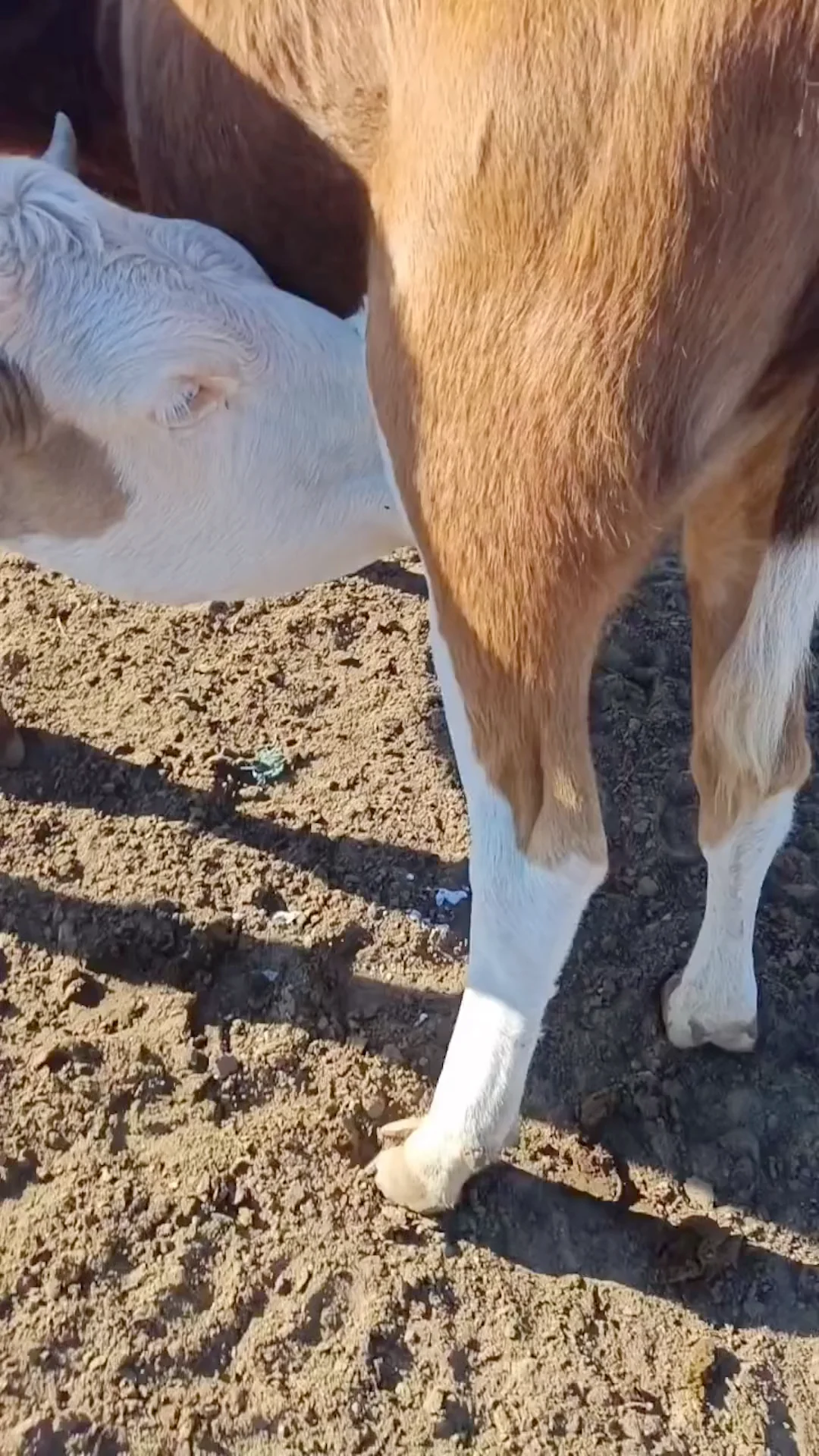
Introduction to Bovino
Bovino, a term often associated with cattle or beef production, has become increasingly relevant in the context of modern livestock farming. As global demand for beef rises, understanding the nuances of bovino is essential for farmers, consumers, and policymakers alike. The livestock sector’s environmental impact, economic contributions, and evolving consumer preferences further underline the importance of this topic.
Current Trends in Bovino Farming
Recent reports indicate that beef consumption in countries like the UK has been gradually increasing. The Department for Environment, Food & Rural Affairs (DEFRA) reported that 2022 saw a 3% rise in beef production compared to the previous year. This uptick is linked to various factors, including population growth and dietary shifts that favour protein-rich foods. Additionally, as sustainability becomes a central concern, many farmers are adopting more environmentally friendly practices in bovino production, integrating technologies such as precision farming, which optimises resource usage while reducing waste.
Challenges Facing the Bovino Sector
Despite its importance, the bovino sector faces several challenges, particularly regarding sustainability and climate change. The UK government has set ambitious targets to cut greenhouse gas emissions, placing pressure on cattle farmers to adapt. Misconceptions about the environmental impact of beef production have led to increasing scrutiny from consumers. Farmers are responding through initiatives such as carbon farming and regenerative agriculture, which aim to capture carbon and enhance soil health. Industry experts believe that transparency and education will play key roles in improving the public perception of bovino farming.
Conclusion and Future Outlook
In conclusion, bovino remains a vital component of the agricultural landscape. It plays a significant role not only in meeting dietary needs but also in the economic framework of rural communities. As the industry navigates challenges posed by climate change and shifting consumer preferences, there is a clear need for ongoing innovation and adaptation. The future of bovino might well depend on the industry’s ability to communicate its sustainability efforts effectively and embrace technological advancements. For consumers, understanding the complexities of bovino will be crucial in making informed choices about their dietary preferences, ultimately shaping the future of livestock farming.