Introduction
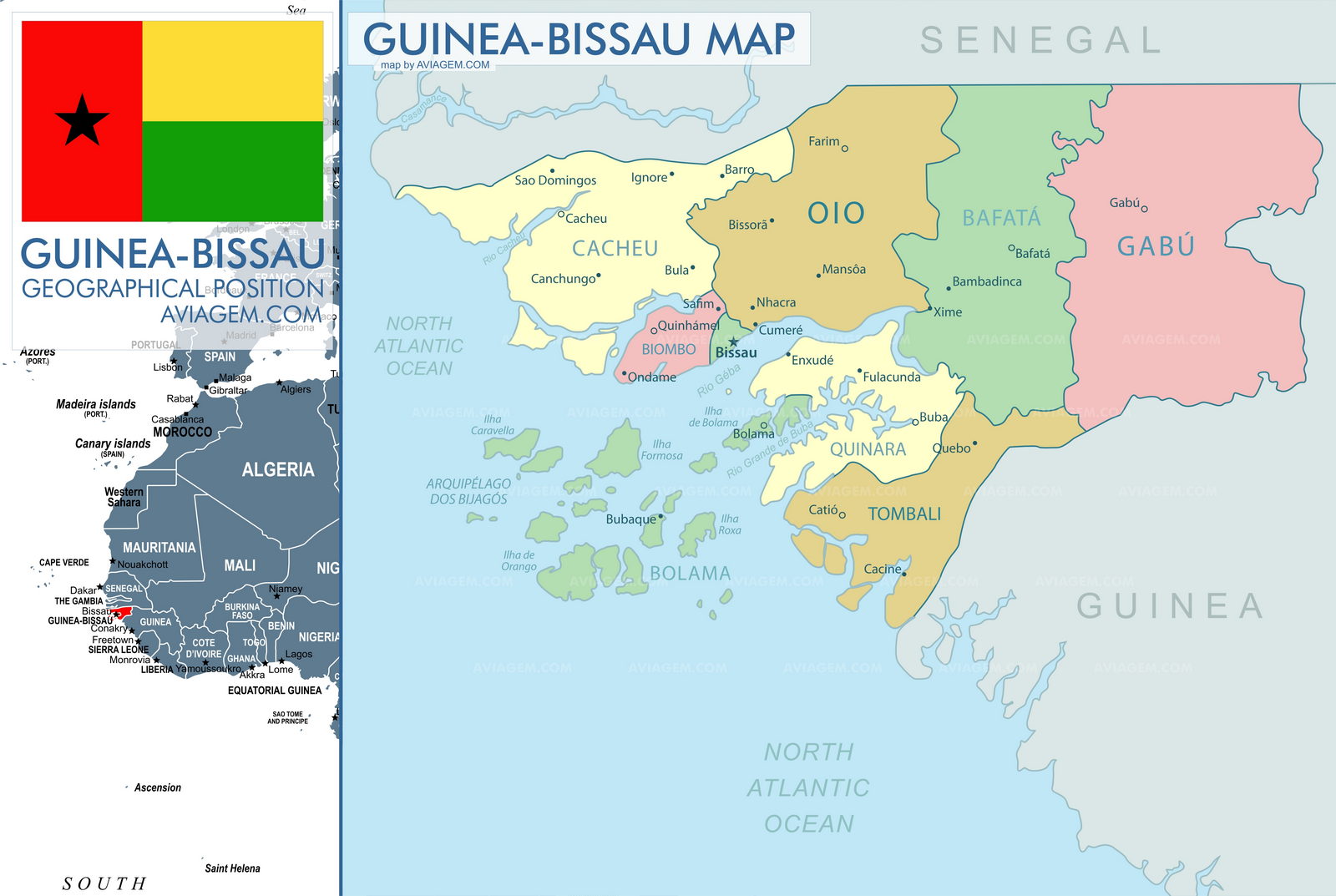
Guinea Bissau, a small West African nation, has been a focal point for political change and development challenges over the past few decades. As a country known for its rich biodiversity and culture, it often faces political instability that has significant implications for regional stability. With recent events unfolding, understanding Guinea Bissau’s current situation is essential for grasping the broader context of West African politics.
Political Landscape
The political environment in Guinea Bissau has been characterized by a history of coups and instability since its independence from Portugal in 1974. The most recent political crisis was triggered by the presidential elections in 2019, which ended in a highly disputed victory for Umaro Sissoco Embaló. His presidency has been marked by tensions within the government, allegations of corruption, and clashes with opposition parties.
In recent months, international observers have noted increased efforts toward reforms intended to stabilise the country. The government has initiated various dialogues with civic groups to restore public trust in the institutions and to address issues such as economic hardship and social unrest. The role of regional bodies like ECOWAS has been critical in mediating tensions and promoting peaceful resolutions.
Economic Challenges
Economically, Guinea Bissau faces significant challenges. The country is primarily reliant on cashew nut exports, which account for a large portion of its GDP. In 2023, the cashew market has seen fluctuations that have raised concerns among farmers and exporters. In addition to this, the nation is grappling with issues including food security and a lack of infrastructure, which hamper its development.
International organizations, including the World Bank and the African Development Bank, have started to invest in various development projects aimed at improving agricultural productivity and overall economic resilience. These initiatives are crucial as they aim to diversify the economy while providing essential services to the population.
Conclusion
Guinea Bissau stands at a crossroads where its political stability and economic development are closely intertwined. The current government’s ability to navigate internal challenges and promote dialogue will play a decisive role in shaping the future of this nation. As international support continues to flow into the region, the prospects for Guinea Bissau may improve, offering hope for a more stable and prosperous future.