Introduction
The lunar eclipse is a fascinating astronomical event that captivates skywatchers and casual observers alike. It occurs when the Earth passes between the Sun and the Moon, casting a shadow on the lunar surface. This event not only holds aesthetic appeal but also plays a vital role in various cultures and scientific studies. With the next lunar eclipse set to occur on November 8, 2023, understanding its significance and how it impacts both science and culture is more relevant than ever.
The Upcoming Lunar Eclipse
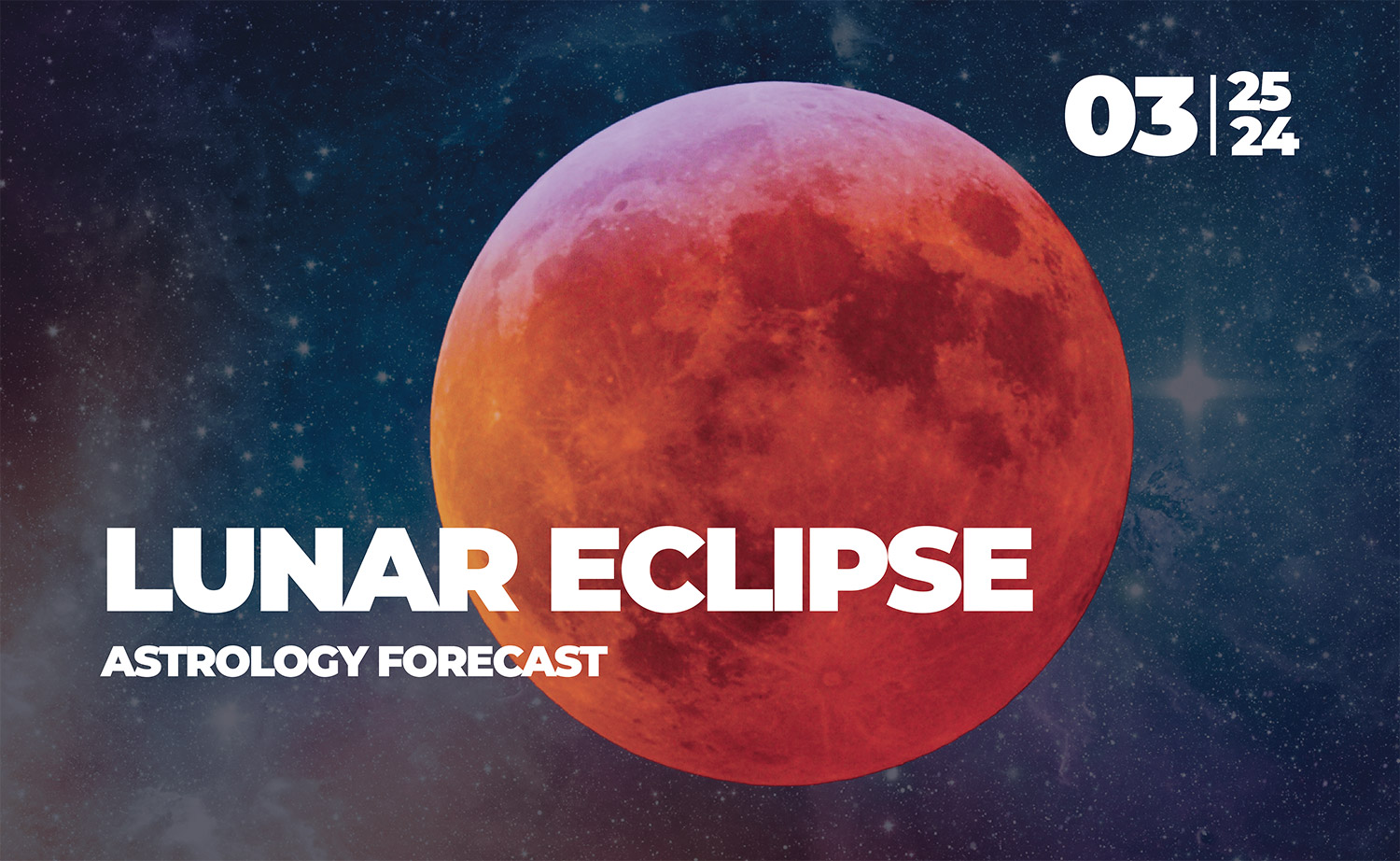
According to NASA, the lunar eclipse on November 8 will be a total eclipse, during which the Earth’s shadow will completely cover the Moon. This phenomenon will be visible from numerous locations around the world, including parts of North America, Asia, and Australia. During this event, the Moon may take on a reddish hue, often referred to as a “blood moon,” due to the scattering of sunlight through the Earth’s atmosphere.
Scientific Importance
The study of lunar eclipses provides essential insights into the Earth-Moon system, the atmosphere, and even the formation of planetary systems. Scientists use data collected during these events to understand the Moon’s surface and its evolution. Moreover, lunar eclipses allow for the observation of various atmospheric conditions on Earth, as well as a chance to calibrate the instruments used in astronomy.
Cultural Significance
Lunar eclipses have also been steeped in cultural significance across various societies throughout history. Many cultures have linked lunar events to myths, religious practices, and folklore. For instance, some Native American tribes see the blood moon as a sign of change, while others celebrate it as a time of reflection and introspection. The upcoming lunar eclipse may invoke similar observances as people gather to witness the spectacle together.
Conclusion
The lunar eclipse of November 8, 2023, presents an excellent opportunity for both scientific exploration and cultural reflection. As more people engage with astronomy and seek connections to celestial events, the significance of the lunar eclipse continues to grow. Observers should prepare for this beautiful display of nature, as it not only offers a moment of wonder but also enriches our understanding of the cosmos and its myriad influences on human culture. Whether you are an avid astronomer or a casual observer, make sure to mark your calendar for this event — the heavens await!