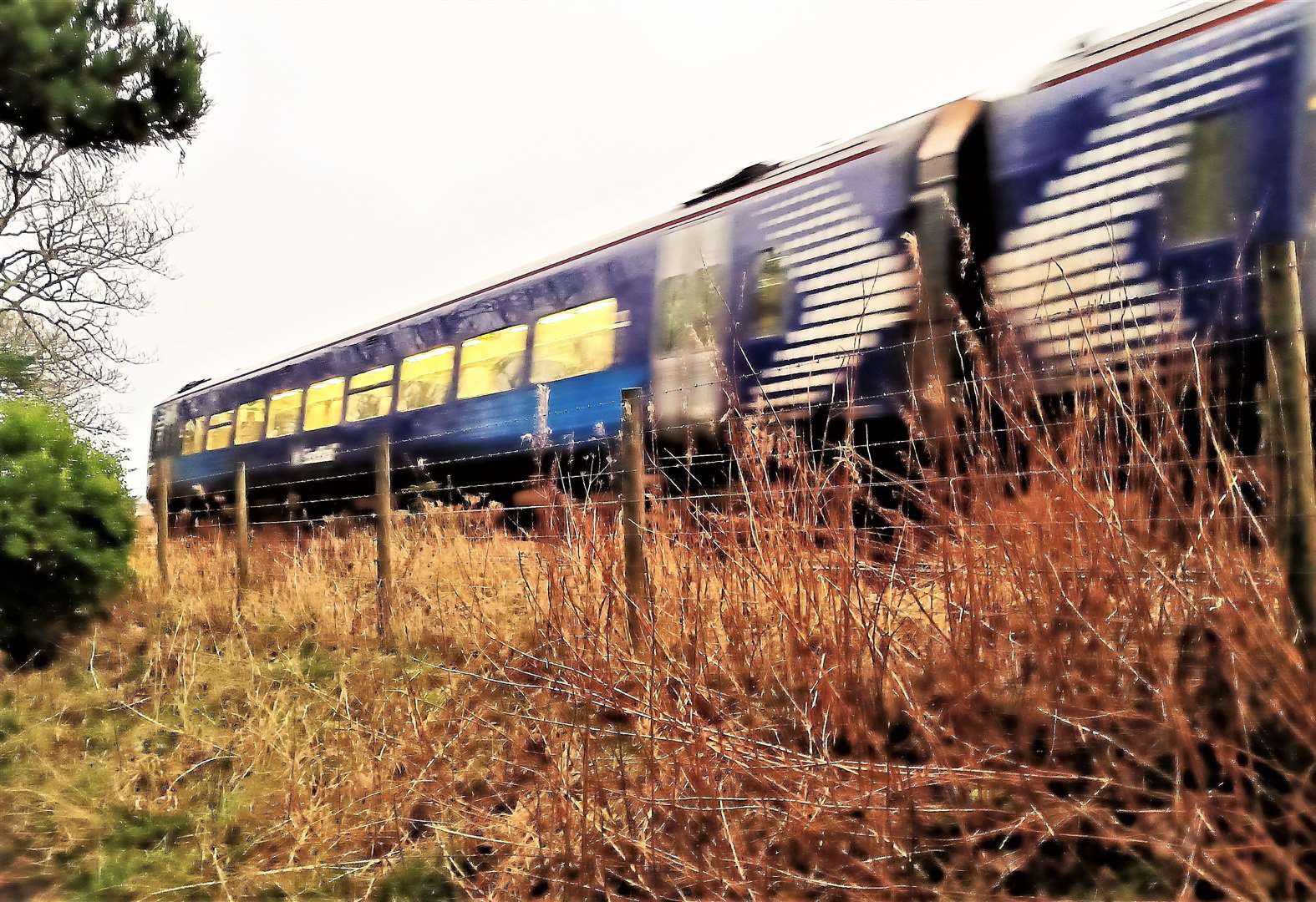
Introduction
The recent cancellation of trains between Aberdeen and Inverness has raised significant concerns among commuters and rail enthusiasts alike. This essential route connects the North East to the Highlands, making its reliability crucial for travel and transport in the region. With ongoing discussions about rail service improvements, this cancellation highlights the vulnerabilities in the rail network and the need for enhanced communication from service providers.
Details of the Cancellation
On October 5, 2023, it was announced that several services on the Aberdeen to Inverness line would be cancelled due to unforeseen circumstances, including severe weather conditions and issues with the rolling stock. The disruption affected numerous passengers, many of whom rely on this route for daily commutes as well as tourism. Replacement bus services were provided, but they could not adequately meet the demands of stranded passengers.
ScotRail, the operator for this route, issued an official statement acknowledging the inconvenience caused and indicated that they are working diligently to rectify the issues leading to these cancellations. According to reports, the line has faced disruptions intermittently over the past months, raising questions about the underlying issues affecting service reliability.
Impact on Passengers
Commuters reported significant delays and disruptions to their travel plans. Many expressed frustration at the lack of timely communication and updates regarding service changes. Social media platforms were flooded with complaints about the inadequacy of the replacement bus services, which added to travel times and stress for those who needed to get to their destinations for work or personal matters.
Conclusion
The Aberdeen to Inverness train cancellation serves as a reminder of the vulnerabilities that exist in the rail transport system within Scotland. As weather patterns become increasingly unpredictable, the importance of reliable transport infrastructure cannot be understated. Stakeholders in the transport sector are faced with the challenge of ensuring that service disruptions are minimised and that clear communication is maintained with passengers. As discussions around rail service enhancements continue, it is hoped that lessons from this incident will contribute to more robust systems in the future, ensuring services are both reliable and efficient for all users.