Introduction to Eritrea
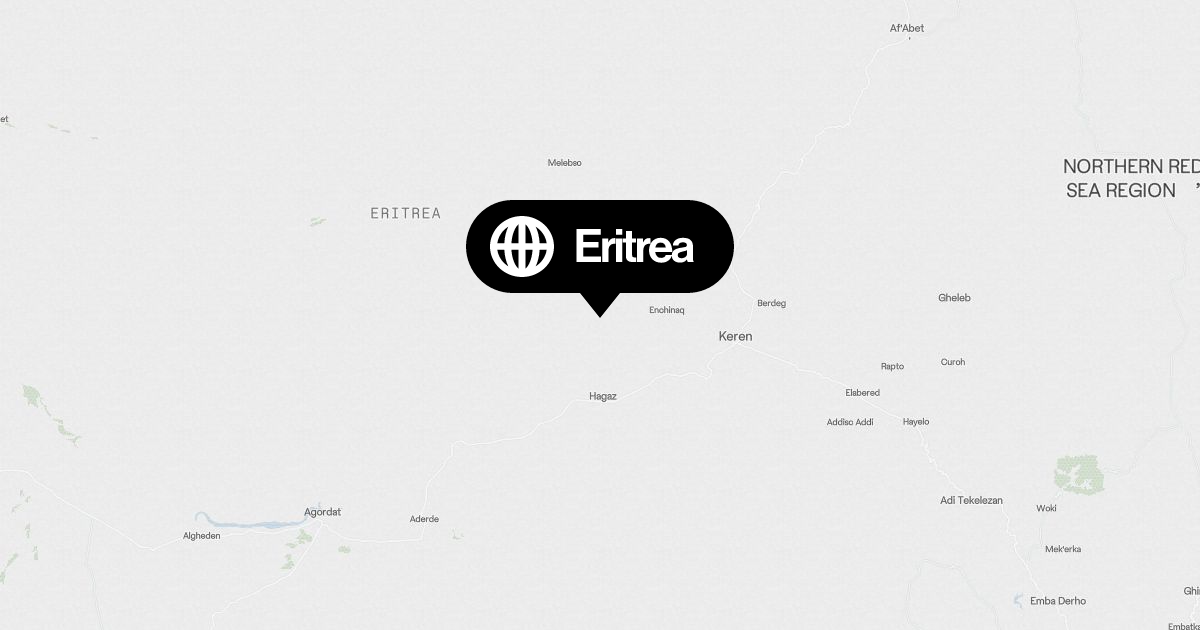
Eritrea, located in the Horn of Africa, is a nation that holds great historical and cultural significance. Known for its diverse landscapes and rich heritage, Eritrea has faced numerous challenges since gaining independence from Ethiopia in 1993. Understanding the current events in Eritrea is crucial for appreciating its socio-political dynamics and the resilience of its people.
Current Events in Eritrea
As of October 2023, Eritrea is experiencing a complex interplay of internal and external pressures. The country remains largely isolated on the international stage, with its government led by President Isaias Afwerki, in power for over 30 years. The regime has faced criticisms for human rights abuses and lack of democratic governance; reports indicate that thousands of Eritreans remain in military service beyond mandatory conscription periods due to a policy known as indefinite national service.
Recent events highlight the humanitarian situation in Eritrea, where severe drought conditions and economic hardship have exacerbated food shortages. UN reports state that a significant portion of the population is facing food insecurity, with approximately 60% of households in need of assistance. The government’s reluctance to accept international aid presents a persistent challenge, and as of late 2023, the international community is advocating for improved access to humanitarian support.
Geopolitical Context
Eritrea’s geopolitical position has further complicated its situation. Tensions with neighbouring Ethiopia have historically influenced Eritrean policies and kept the nation in a state of military readiness. However, following the signing of a peace agreement in 2018, there were expectations of improved relations. Yet, the reality remains ambivalent as both nations grapple with border issues and internal political stability.
The Red Sea’s strategic location also places Eritrea in a key position for international interests, primarily concerning military and shipping routes. External powers, particularly China and the United States, have expressed interest in the region, albeit with varying strategies and alliances that reflect broader geopolitical tensions.
Conclusion
The situation in Eritrea is a poignant reminder of the complexities inherent in nation-building amidst persistent socio-political issues. While it strives for stability and growth, Eritrea faces significant challenges, including national service policy, humanitarian crises, and its search for international recognition and support. The international community’s engagement will be vital to aid Eritrea’s progress. For those monitoring developments in Eritrea, it remains essential to consider both historical and contemporary contexts to understand the opportunities and obstacles faced by this resilient nation.