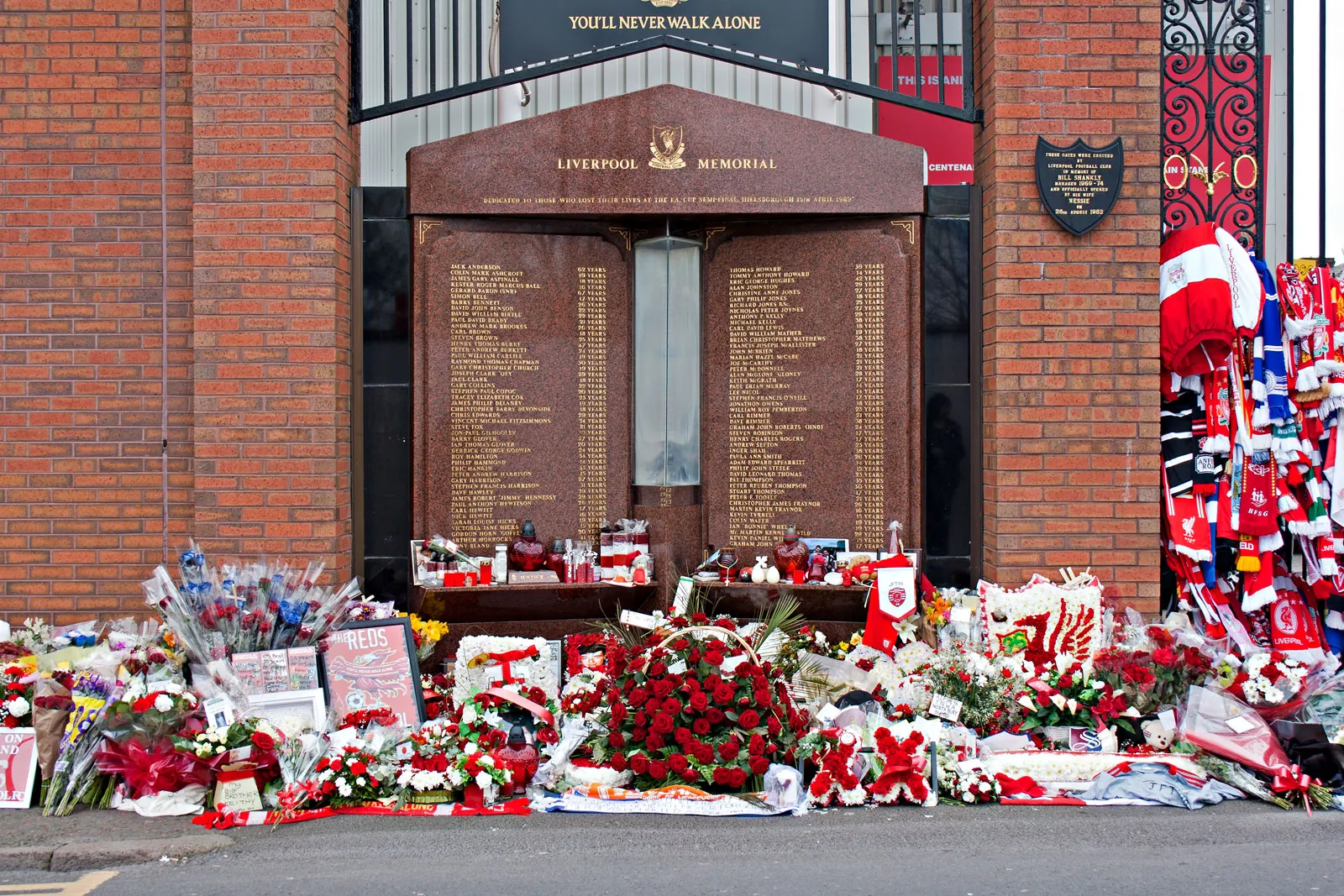
Introduction
The Hillsborough disaster, which occurred on 15 April 1989, remains one of the darkest days in British football history. During an FA Cup semi-final match between Liverpool and Nottingham Forest, 96 Liverpool fans tragically lost their lives due to overcrowding and crowd control failures at Hillsborough Stadium in Sheffield. This event has since had profound implications on football safety regulations and fan treatment in the United Kingdom.
Events Leading to the Disaster
The semi-final match attracted an overwhelming number of fans, significantly exceeding the stadium’s capacity. On that fateful day, poor planning and inadequate crowd management resulted in thousands of fans being funnelled into a standing area that was already dangerously overcrowded. The official police reports indicated that fans were to blame for the disaster; however, investigations later revealed serious errors in the police and emergency response procedures.
The Aftermath and Legal Consequences
In the wake of the disaster, public outrage surged, leading to campaigns for justice for the victims. The Hillsborough Independent Panel was established, and its report in 2012 uncovered that the authorities attempted to cover up the mishandling of the events. The families of the victims sought a long fight for accountability, culminating in a fresh inquest in 2014 which ruled the deaths as unlawful killings. Furthermore, the court’s ruling in 2016 found that there was a failure of police duty and systemic errors in managing the crowd.
Impact on Football Regulations
The Hillsborough disaster significantly altered safety standards in stadiums across the UK. The Taylor Report, commissioned after the tragedy, advocated for all-seater stadiums which led to the transformation of football grounds to improve safety for fans. As a result, today’s stadiums are designed with modern crowd control measures, including all-seater racetracks and broader capacity planning, ensuring a safer experience for fans.
Conclusion
The Hillsborough disaster remains etched in the hearts of many as a somber reminder of the fragility of safety at sporting events. The significant legal and regulatory changes that followed have not only shaped the future of football in the UK but have also set a precedent for how crowd management is approached in all sporting events globally. As we remember the 96 lives lost, it is crucial for fans, clubs, and authorities to continue prioritising safety in sports to prevent such events from occurring in the future.