Introduction
Leadership development is a critical focus for organisations globally, particularly as they navigate a rapidly changing business environment. Effective leaders are essential for fostering innovation, ensuring employee engagement, and steering organisations towards success. In 2023, leadership development has taken on new significance due to emerging technologies, shifting workforce dynamics, and the increasing importance of mental health and diversity.
Current Trends in Leadership Development
This year, several key trends are reshaping leadership development programmes:
- Emphasis on Emotional Intelligence: Leaders who understand and manage their emotions, as well as empathise with others, are proving to be more effective. Companies are investing in emotional intelligence training as a vital component of leadership development.
- Integration of Technology: Innovative tools, such as Artificial Intelligence (AI) and Virtual Reality (VR), are being integrated into training programmes. These technologies provide immersive learning experiences that can enhance leadership skills.
- Focus on Diversity and Inclusion: As organisations recognise the benefits of diverse leadership teams, more programmes are being developed to promote inclusivity. This includes tailored training aimed at addressing bias and fostering a sense of belonging.
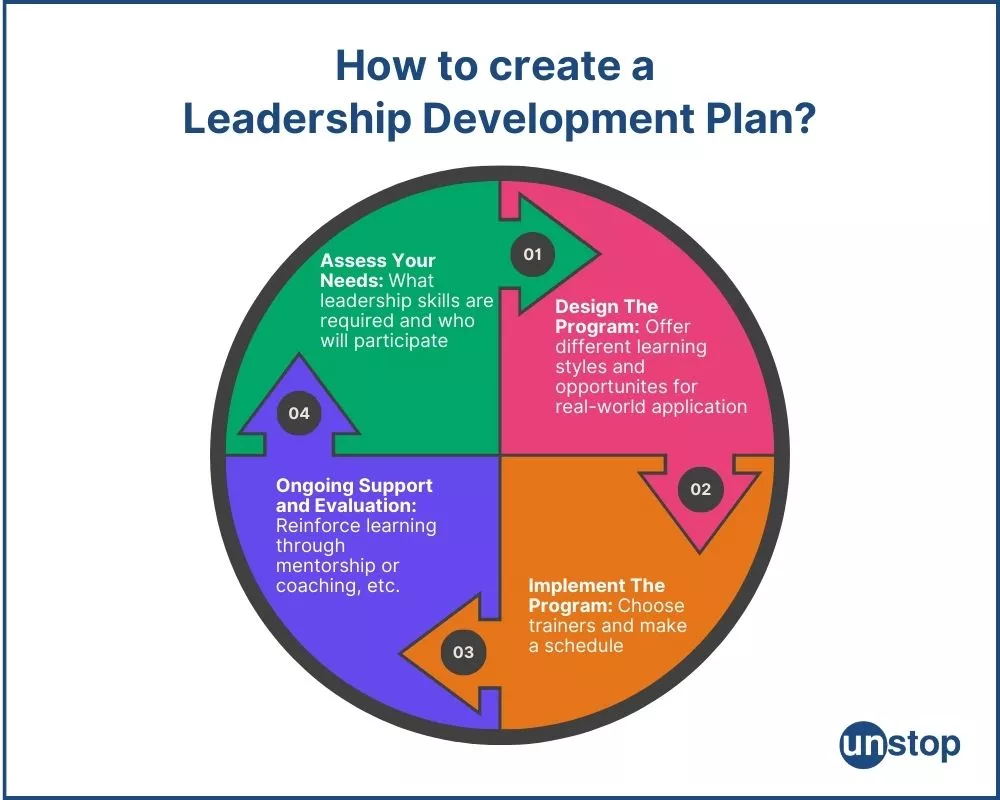
- Continuous Learning Culture: The traditional model of one-off training sessions is being replaced by a continuous learning approach. Many companies are now encouraging leaders to engage in ongoing development through mentorship, coaching, and peer-learning opportunities.
The Role of Remote Work
With the rise of remote and hybrid work models, the way leaders interact with their teams is evolving. Effective communication and team cohesion are now more critical than ever. Leadership development programmes are increasingly focusing on virtual leadership skills, including how to maintain engagement and productivity in remote teams.
Conclusion
The evolution of leadership development is not just about enhancing individual capabilities but is also linked to the overall success of an organisation. By investing in modern leadership skills that cater to the needs of a diverse and remote workforce, companies can navigate challenges more effectively and inspire their teams towards shared goals. As we progress through 2023, organisations will need to adapt their leadership development strategies continually to remain competitive and responsive to the changing landscape. Embracing these trends will be vital for fostering resilient, inspirational, and forward-thinking leaders.