Understanding the Importance of Delivery Services
In the fast-paced world of e-commerce, delivery services have become an essential aspect of consumer satisfaction and business success. With the rise in online shopping, the efficiency and reliability of delivery processes directly impact how customers perceive brands. As we move through 2023, various factors are shaping the future of delivery services, making it a critical topic for both businesses and consumers.
Current Trends in Delivery Services
This year, several notable trends are emerging in the delivery landscape:
- Speed and Efficiency: Consumers increasingly prefer companies that offer fast delivery options. The expectation has shifted from two to three days to same-day or even one-hour delivery. As a response, retailers are investing in logistics solutions, improving their network to meet these growing demands.
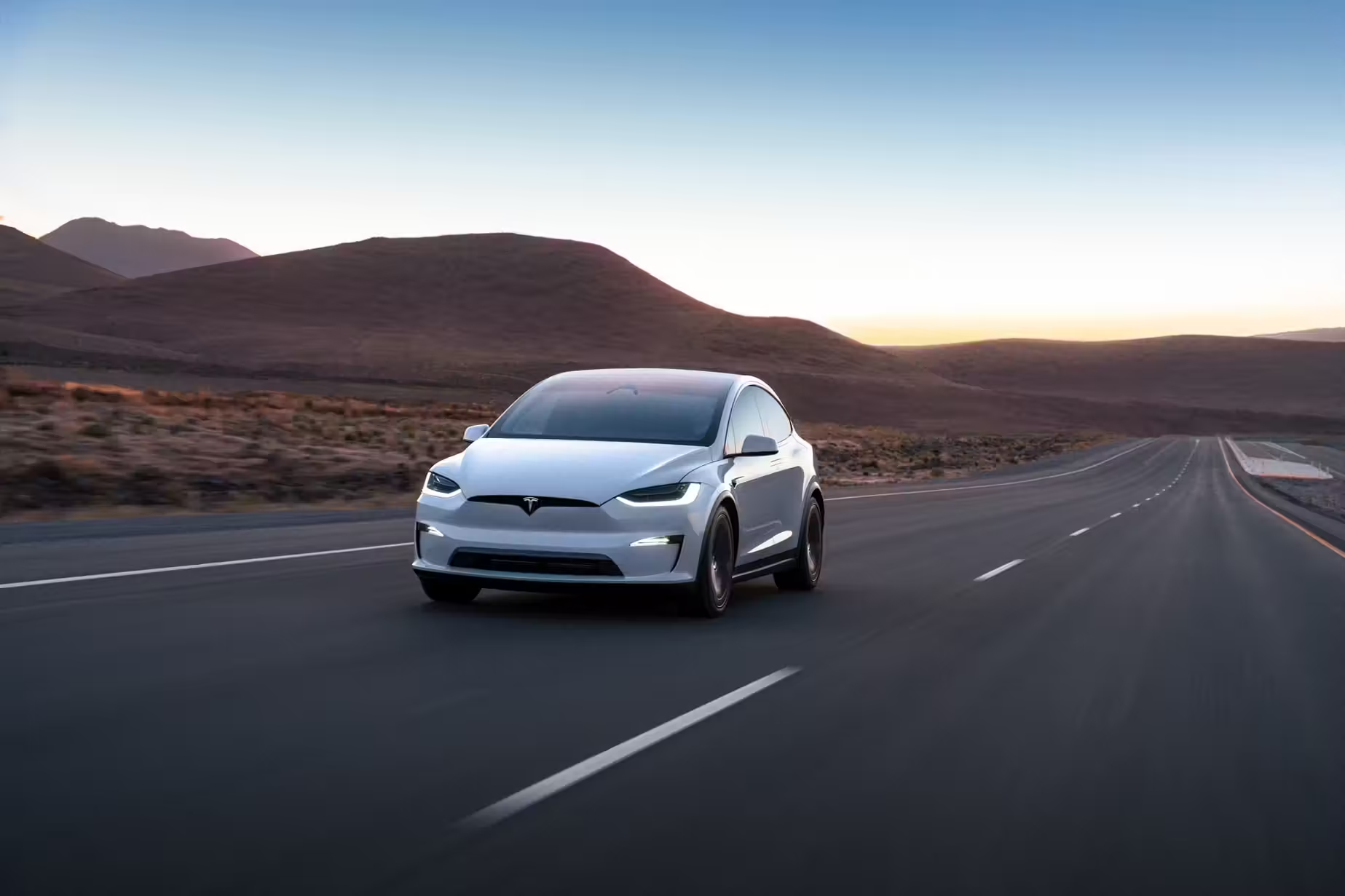
- Sustainability: With growing concerns about climate change, many delivery companies are shifting towards environmentally friendly practices. This includes the use of electric vehicles, biodegradable packaging, and carbon offsetting strategies to appeal to eco-conscious consumers.
- Technological Integration: The use of technology in delivery services, including artificial intelligence and advanced route planning software, is improving efficiency. Companies are also adopting automated delivery systems, such as drones and autonomous vehicles, which could revolutionise the sector.
Impact of Consumer Behaviour
Consumer preferences are drastically changing how delivery services operate. According to recent surveys, over 60% of shoppers consider delivery speed a crucial factor in their purchasing decisions. Additionally, there is a rising demand for flexible delivery options, allowing customers to choose where and when their packages are delivered. Companies that adapt to these evolving expectations are likely to see increased customer loyalty and sales.
The Future of Delivery Services
Looking ahead, the delivery sector is poised for continued innovation. As technology advances and consumer expectations evolve, businesses must remain agile to keep up. The integration of robotics and AI is expected to enhance last-mile delivery, significantly reducing costs and improving delivery times. Moreover, sustainability will remain at the forefront of corporate strategies as consumers push for greener alternatives.
Conclusion
The delivery service industry in 2023 is at a fascinating crossroads. The increasing demand for speed, sustainability, and technological integration is reshaping the way products reach consumers. Understanding these trends is vital for businesses aiming to remain competitive while meeting the growing expectations of their customers. As we move forward, it will be interesting to observe how these dynamics continue to evolve, ultimately shaping the future of commerce and consumer engagement.